Colorado Wetland Information Center Logo Colorado Wetland Information Center Logo CWIC
  • About
    • What Are Wetlands?
    • Why Are Wetlands Important?
    • Colorado Wetland Plan
    • Wetland Partners
  • Wetland Types
    • Overview
    • Ecological Systems
    • Natural Plant Communities
    • Fen Mapping
  • Wetland Condition
    • Overview
    • Ecological Condition
    • Habitat Quality
    • Biodiversity Significance
    • Colorado Wetland Assessment Projects
    • National Wetland Condition Assessment
    • BLM Assessment Inventory and Monitoring
  • Protection & Conservation
    • Overview
    • Conservation
    • Restoration
    • Regulation
    • Best Management Practices
    • Funding and Technical Support
  • Data & Tools
    • Wetlands Mapper
    • Floristic Quality Calculator
    • Landscape Summaries
    • Watershed Toolbox
    • Wetland Plots Database
  • Library
    • Wetland Reports
    • Potential Conservation Areas
    • County Survey Reports
    • Field Guides and App
    • Field Manuals
    • Educational Resources
  • CNHP Home

Habitat Quality

Wildlife habitat is among the most critical functions wetlands provide. Wetlands comprise less than 3% of Colorado’s landscape, but over 75% of the wildlife species in the state use wetlands at one point of their lives or another. Wetland wildlife habitat is spread across the state, in all river basins and all ecoregions. Wetlands are especially critical for waterfowl and other migratory bird species. Important concentrations of waterfowl habitat are located in the San Luis Valley, North Park, and along the South Platte River on Colorado's eastern plains.
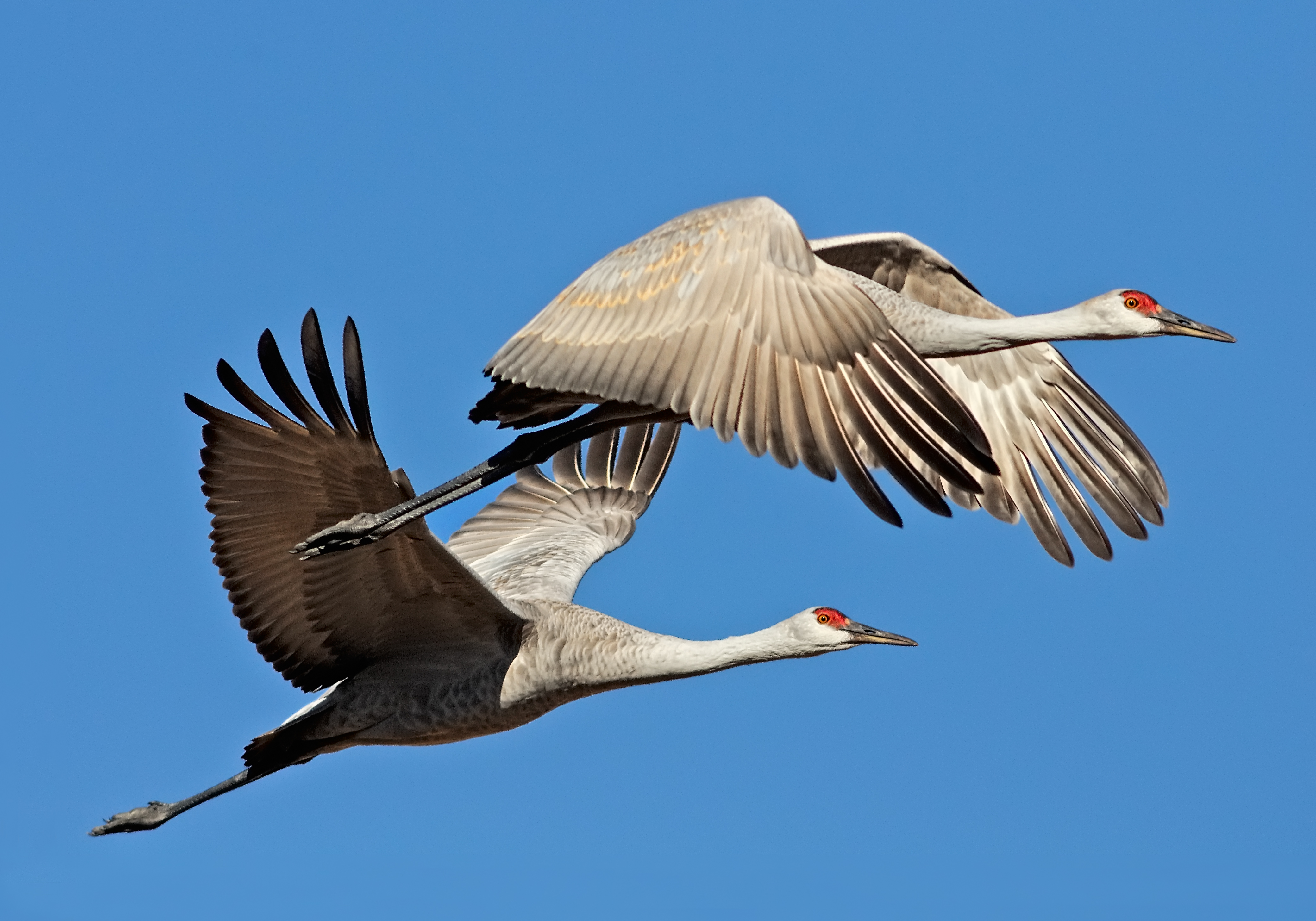
Sandhill cranes in flights. Michael Menefee.

In the State Wildlife Action Plan, Colorado Parks and Wildlife has identified priority wetland-dependent species that are most in need of habitat conservation, including waterfowl and several declining species. The list is broken into Tier 1 and Tier 2 species, with Tier 1 being the highest priority. CPW's Wetland Wildlife Conservation Program is a voluntary, incentive-based program that provides up to $2 million in grant funding every year to restore or enhance wetland wildlife habitat on public and private lands for these priority species. Projects funded by the CPW Wetland's Program are often organized or recommended by Wetland Focus Area Committees, which are voluntary committees comprised of private landowners, concerned citizens, natural resource professionals, and conservation groups.
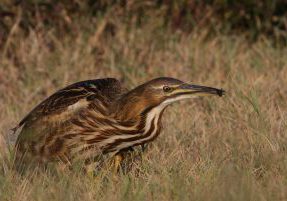
American Bittern Anahuac National Wildlife Refuge, Texas. Brian Tang.
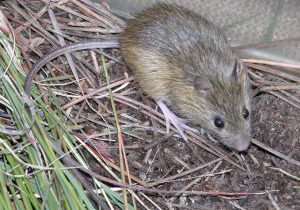
Preble's meadow jumping mouse. Rob Schorr, CNHP.
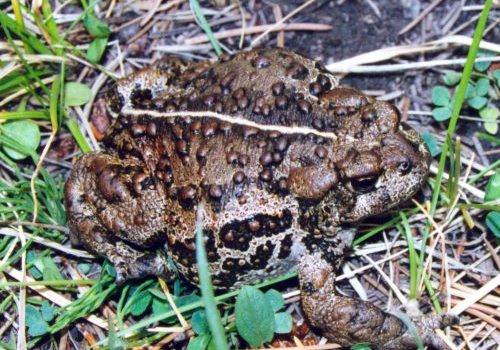
Boreal Toad. Brad Lambert, CNHP

In order to manage, restore or enhance wildlife habitat for these priority species, it is important to understand how to evaluate its quality and value. Good habitat for one species may be poor habitat for another. For instance, Piping Plover and Black Rails use very different wetland habitats and improving habitat for one might not benefit the other. Through a series of projects funded by the U.S. Environmental Protection Agency and CPW, CNHP assisted in developing factsheet and habitat scorecards for many of the priority wetland-dependent species. The purpose of the factsheets is to provide landowners and land managers with easy-to-use guidelines for understanding habitat needs of priority wetland-dependent wildlife.

Wetland-Dependent Wildlife Species Factsheets and Habitat Scorecards

  • All Factsheets formated for printing double-sided
  • All Factsheets formated for printing single-sided-sided
  • Introduction to the Factsheets
  • American Bittern
  • Arkansas Darter
  • Bald Eagle
  • Black Rail
  • Brassy Minnow
  • Dabblin Ducks
  • Least Tern
  • Leopard Frogs
  • Lewis's Woodpecker
  • Long-Billed Curlew
  • Pipping Plover
  • Preble's Meadow Jumping Mouse
  • Redbelly Dace
  • Red-Sided Garter Snake
  • River Otter
  • Sandhill Crane
  • Short-Earned Owl
  • Yellow Mud Turtle
For information, contact Joanna Lemly.

Wetland Condition

Overview
Ecological Condition
Habitat Quality
Biodiversity Significance
Colorado Wetland Assessment Projects
National Wetland Condition Assessment

Related Topics

Wetland Reports
PCA Reports
County Survey Reports
Field Guides and App
Field Manuals
Educational Resources
Watershed Toolbox

Web Projects

  • CODEX - Colorado’s Conservation Data Explorer
  • Rare Plant Guide Online
  • Colorado Wetland Info Center
  • COMaP - Colorado Protected Lands
  • Colorado Bat Working Group
  • STReaMS - Endangered Fishes Database
  • Colorado Native Plant Database Data Portal

About Us

  • About Us
  • Conserving Biodiversity
  • Contact Us
  • Staff Directory
  • Careers
  • Site Map
Warner College of Natural Resources Logo
  • Apply to CSU
  • Equal Opportunity
  • Disclaimer
  • Privacy Statement
  • Search CSU
  • CSU Land Acknowledgement
  • CSU Principles of Community
© 2026 Colorado Natural Heritage Program
Colorado State University Logo
  • About
    ▼
    • What Are Wetlands?
    • Why Are Wetlands Important?
    • Colorado Wetland Plan
    • Wetland Partners
  • Wetland Types
    ▼
    • Overview
    • Ecological Systems
    • Natural Plant Communities
    • Fen Mapping
  • Wetland Condition
    ▼
    • Overview
    • Ecological Condition
    • Habitat Quality
    • Biodiversity Significance
    • Colorado Wetland Assessment Projects
    • National Wetland Condition Assessment
    • BLM Assessment Inventory and Monitoring
  • Protection & Conservation
    ▼
    • Overview
    • Conservation
    • Restoration
    • Regulation
    • Best Management Practices
    • Funding and Technical Support
  • Data & Tools
    ▼
    • Wetlands Mapper
    • Floristic Quality Calculator
    • Landscape Summaries
    • Watershed Toolbox
    • Wetland Plots Database
  • Library
    ▼
    • Wetland Reports
    • Potential Conservation Areas
    • County Survey Reports
    • Field Guides and App
    • Field Manuals
    • Educational Resources
  • CNHP Home
  • About
    ▼
    • What Are Wetlands?
    • Why Are Wetlands Important?
    • Colorado Wetland Plan
    • Wetland Partners
  • Wetland Types
    ▼
    • Overview
    • Ecological Systems
    • Natural Plant Communities
    • Fen Mapping
  • Wetland Condition
    ▼
    • Overview
    • Ecological Condition
    • Habitat Quality
    • Biodiversity Significance
    • Colorado Wetland Assessment Projects
    • National Wetland Condition Assessment
    • BLM Assessment Inventory and Monitoring
  • Protection & Conservation
    ▼
    • Overview
    • Conservation
    • Restoration
    • Regulation
    • Best Management Practices
    • Funding and Technical Support
  • Data & Tools
    ▼
    • Wetlands Mapper
    • Floristic Quality Calculator
    • Landscape Summaries
    • Watershed Toolbox
    • Wetland Plots Database
  • Library
    ▼
    • Wetland Reports
    • Potential Conservation Areas
    • County Survey Reports
    • Field Guides and App
    • Field Manuals
    • Educational Resources
  • CNHP Home
  • About
    ▼
    • What Are Wetlands?
    • Why Are Wetlands Important?
    • Colorado Wetland Plan
    • Wetland Partners
  • Wetland Types
    ▼
    • Overview
    • Ecological Systems
    • Natural Plant Communities
    • Fen Mapping
  • Wetland Condition
    ▼
    • Overview
    • Ecological Condition
    • Habitat Quality
    • Biodiversity Significance
    • Colorado Wetland Assessment Projects
    • National Wetland Condition Assessment
    • BLM Assessment Inventory and Monitoring
  • Protection & Conservation
    ▼
    • Overview
    • Conservation
    • Restoration
    • Regulation
    • Best Management Practices
    • Funding and Technical Support
  • Data & Tools
    ▼
    • Wetlands Mapper
    • Floristic Quality Calculator
    • Landscape Summaries
    • Watershed Toolbox
    • Wetland Plots Database
  • Library
    ▼
    • Wetland Reports
    • Potential Conservation Areas
    • County Survey Reports
    • Field Guides and App
    • Field Manuals
    • Educational Resources
  • CNHP Home