


PROJECT OVERVIEW: GENOMIC INSIGHTS INTO PLAGUE RESISTANCE IN PRAIRIE DOGS
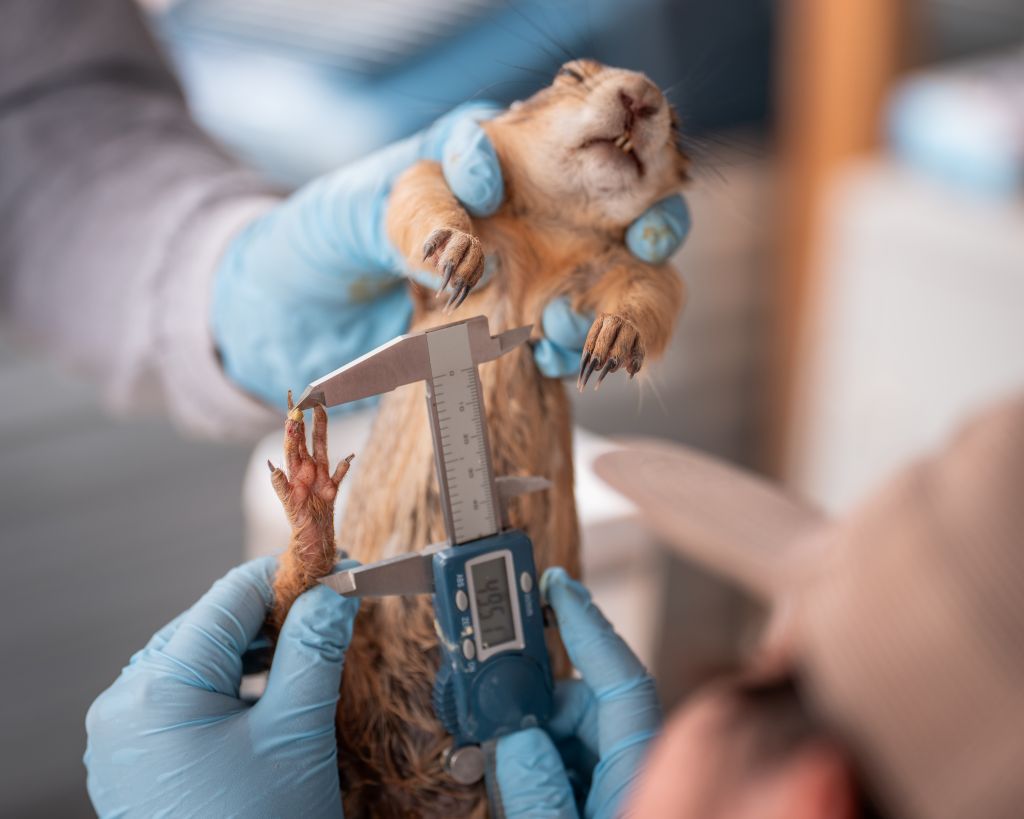
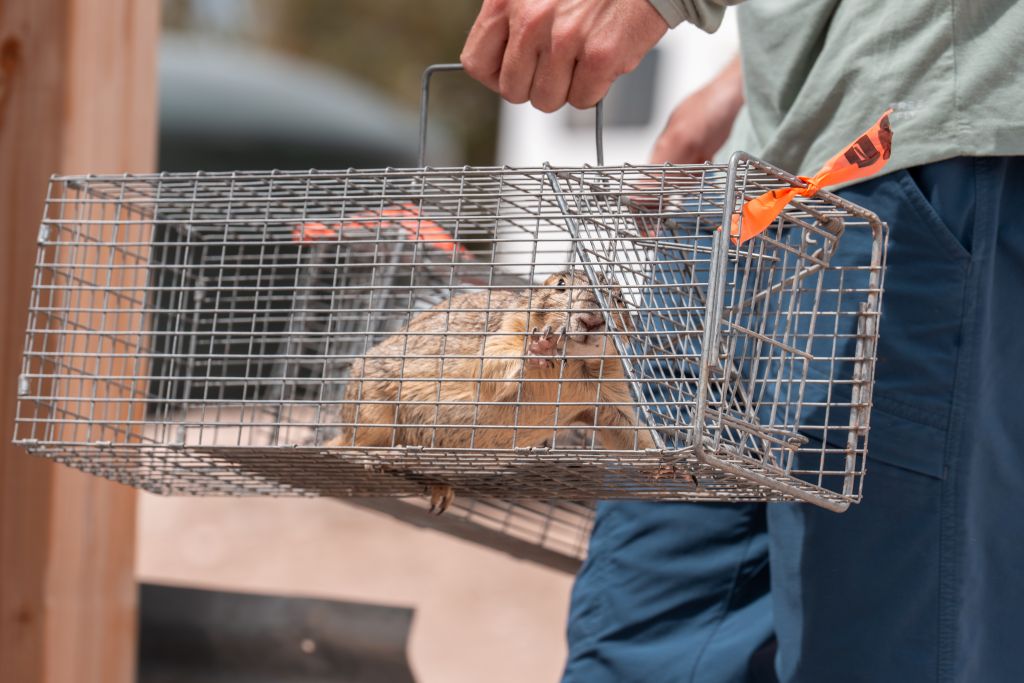
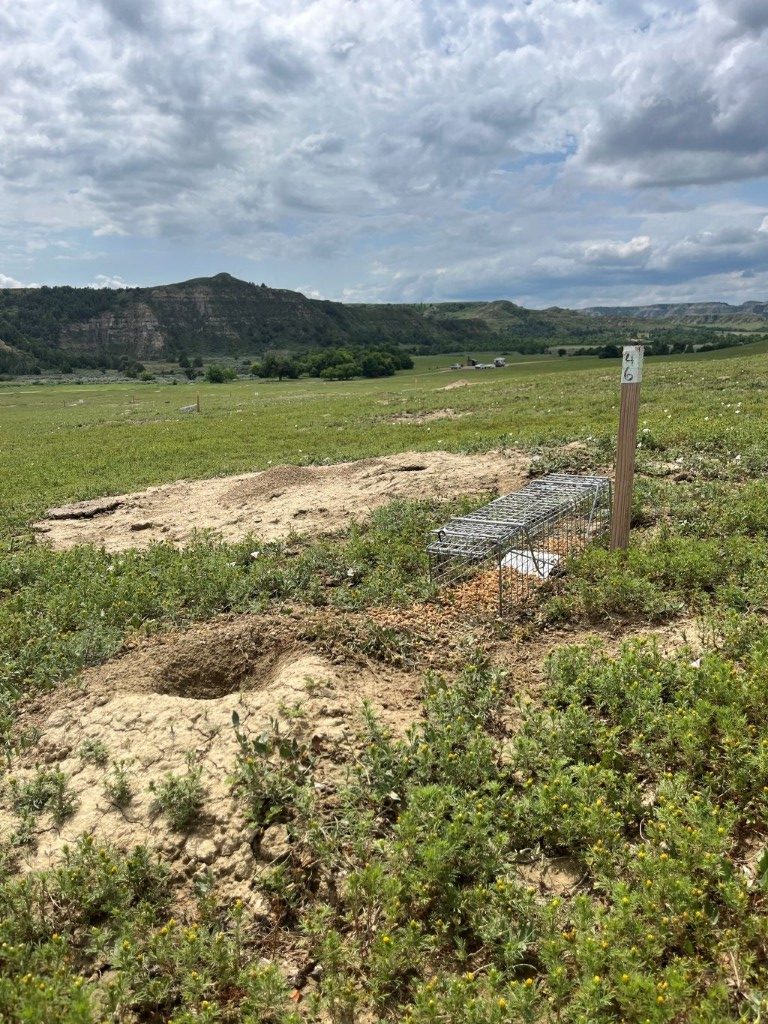
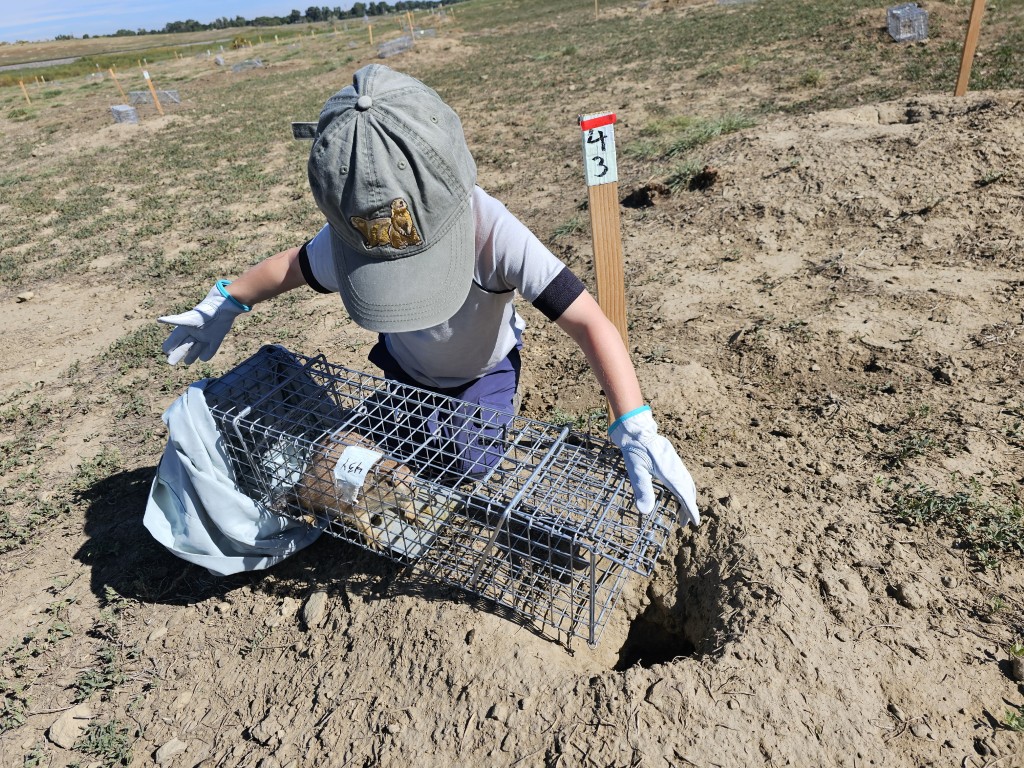
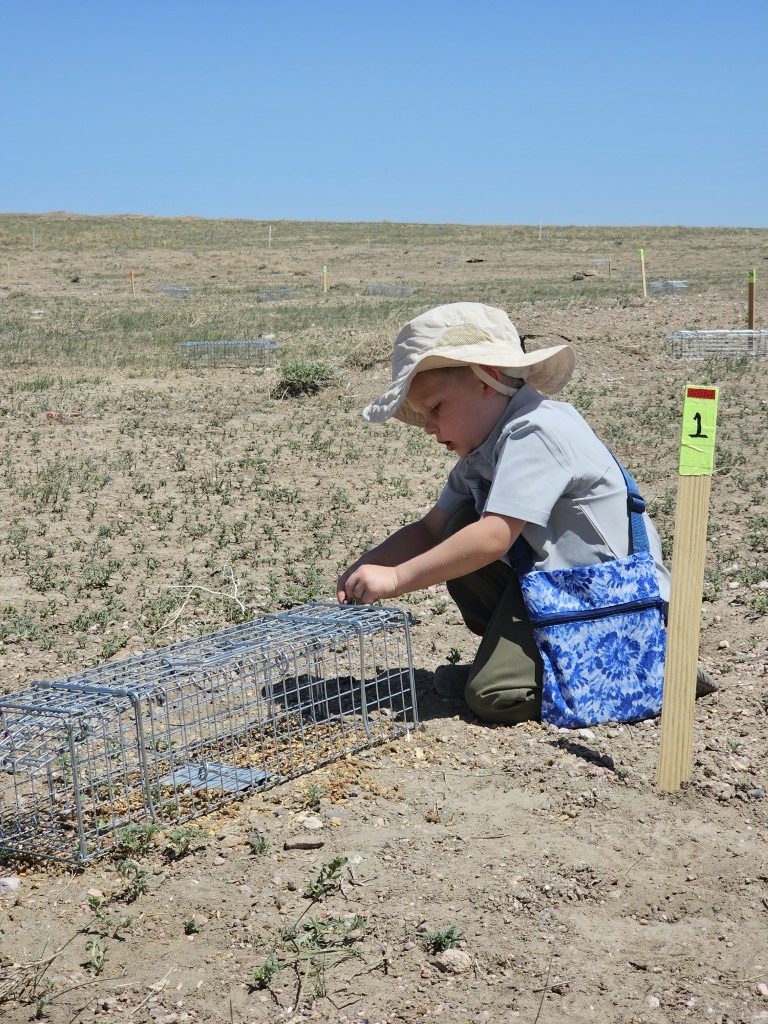
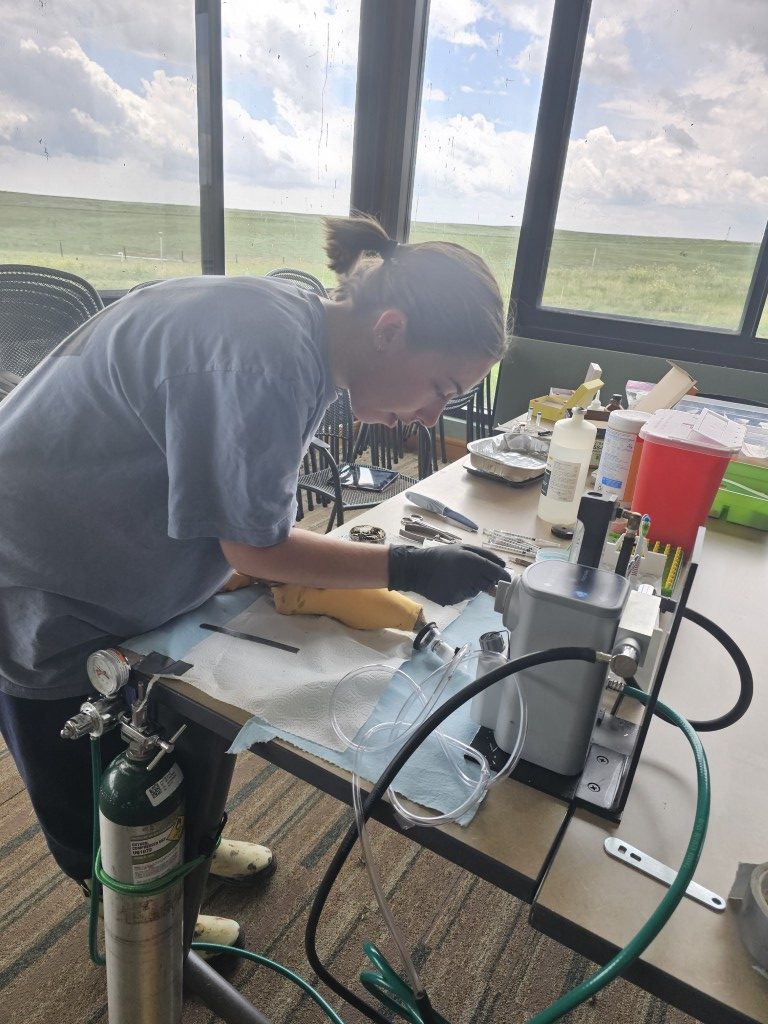
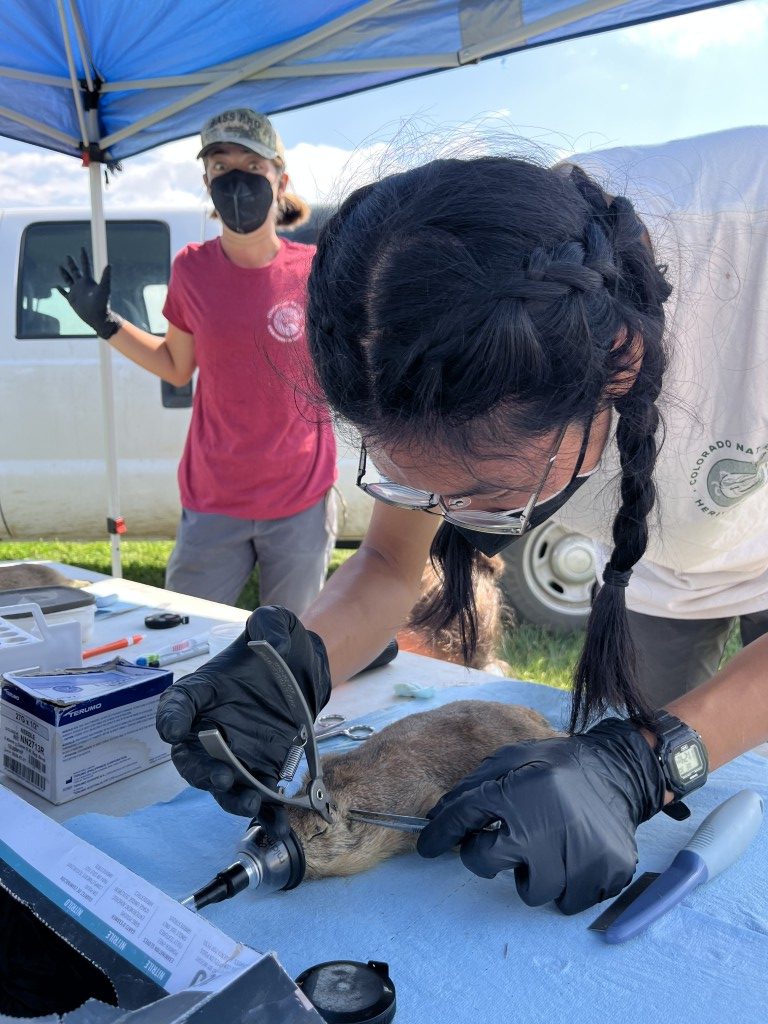
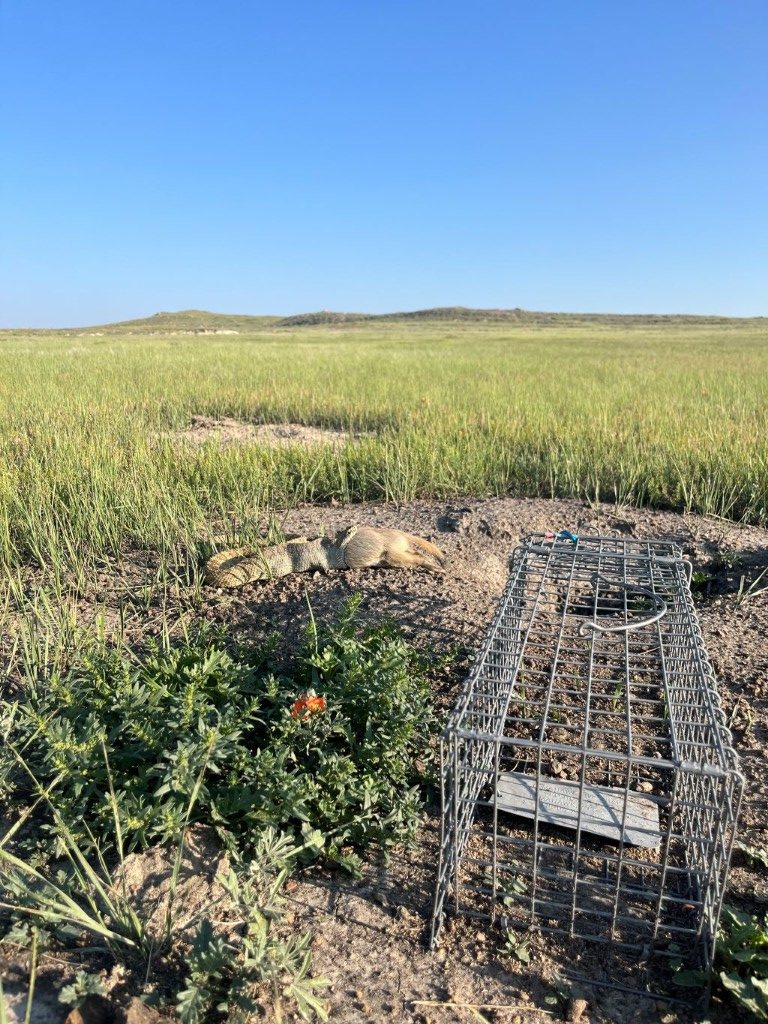
This interdisciplinary research initiative aims to uncover the genetic mechanisms of plague resistance in prairie dogs—a keystone species whose dramatic population declines threaten the broader biodiversity of North America’s central grasslands. By integrating field ecology with cutting‑edge genomics, the project seeks to identify genetic variants linked to resistance, understand their prevalence across colonies, and inform proactive conservation interventions that mitigate disease.
Emerging infectious diseases are among the most significant threats to global biodiversity. Although novel pathogens often lead to population collapses and even extinctions, natural selection strongly favors the rapid evolution of resistance or tolerance in naïve host species. In theory, once such traits arise, they should spread quickly and become fixed across a species’ range. Paradoxically, while rapid evolution of disease resistance has been documented in some systems, the more common pattern observed in nature is one of variable immunity. This suggests that resistance or tolerance does not always spread to fixation. Multiple ecological and evolutionary mechanisms may underlie this incomplete resistance, and the conditions that maintain such variability remain poorly understood.
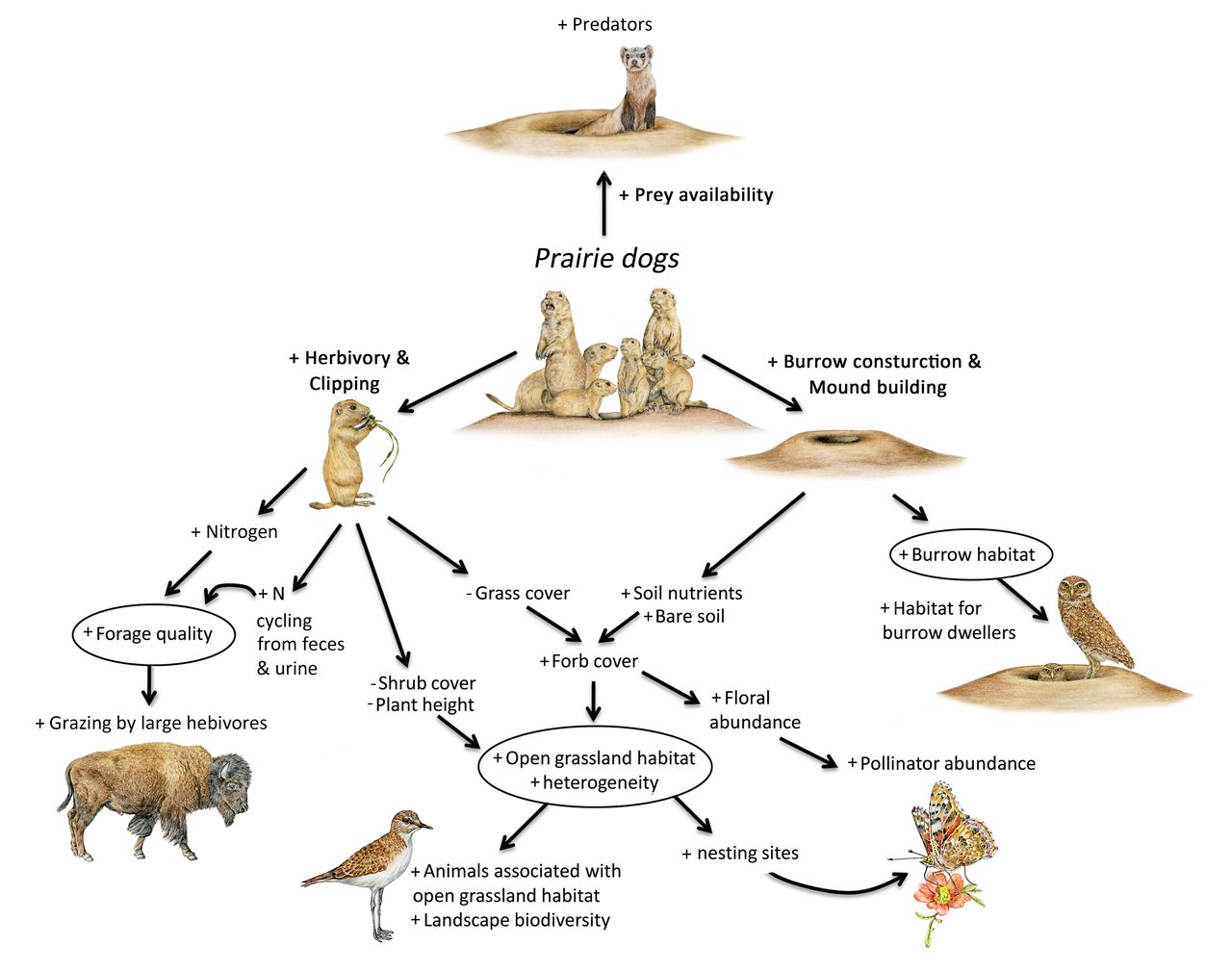
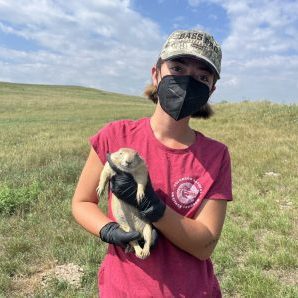
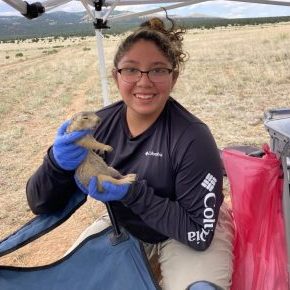
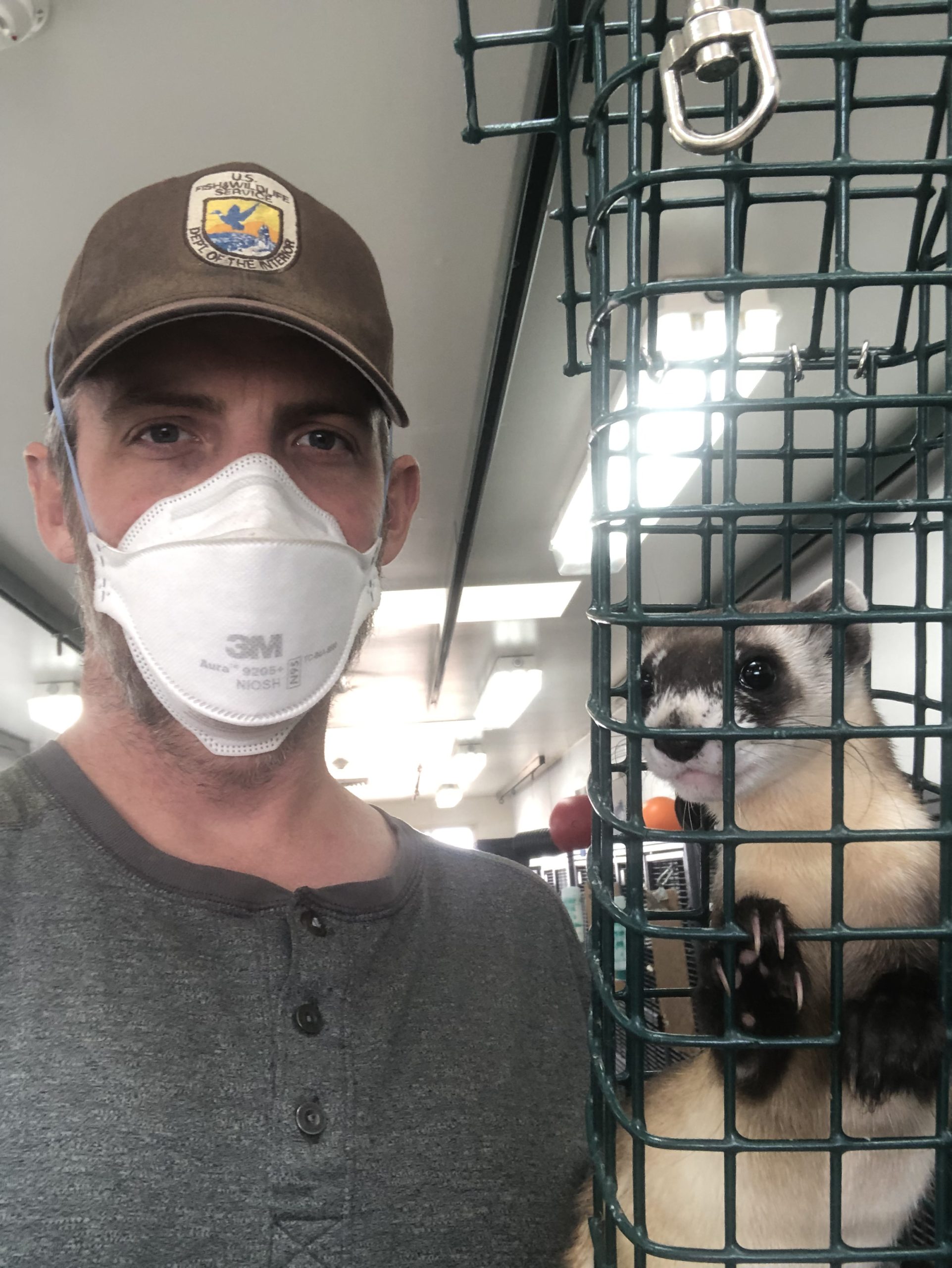
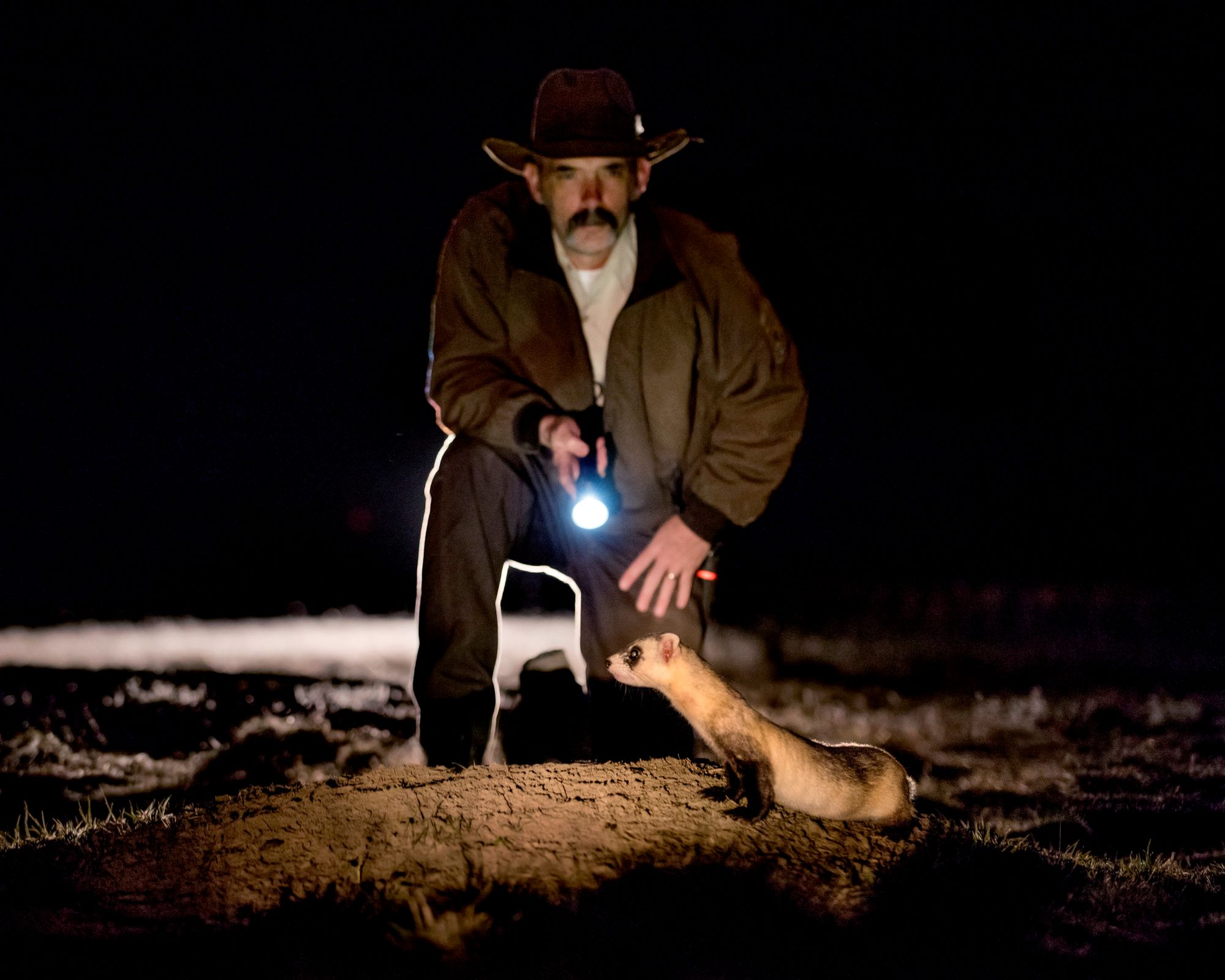
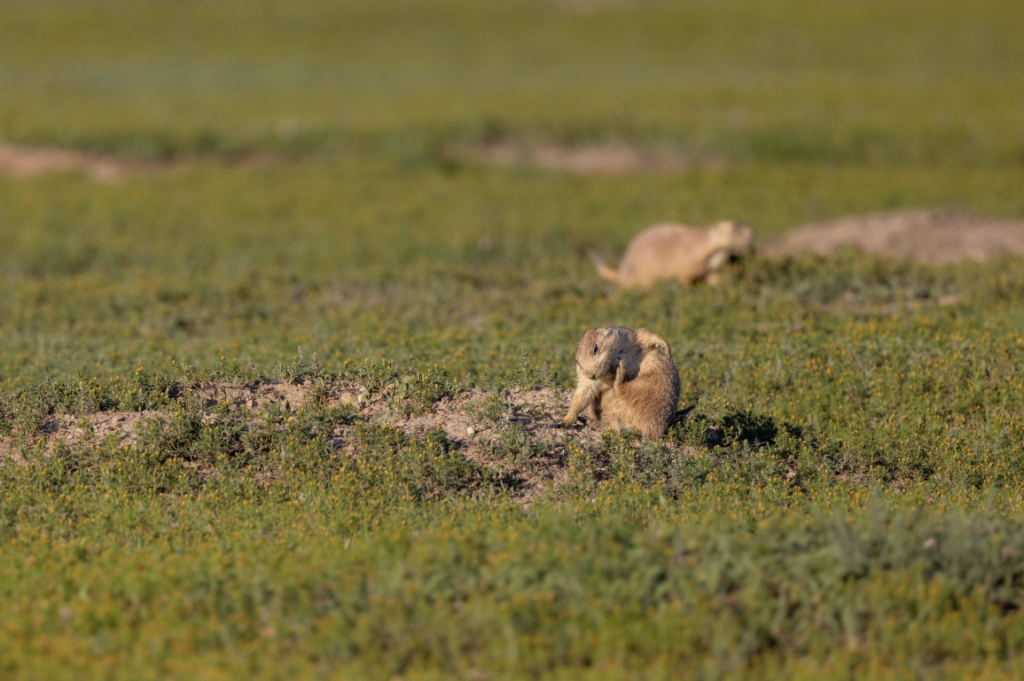
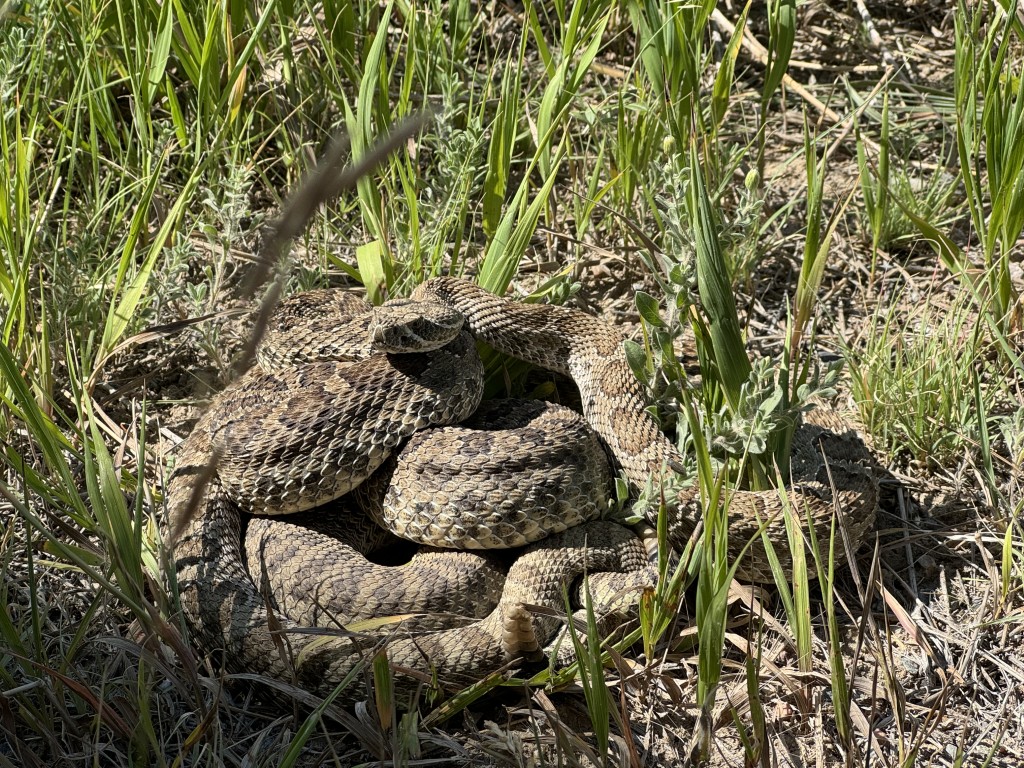
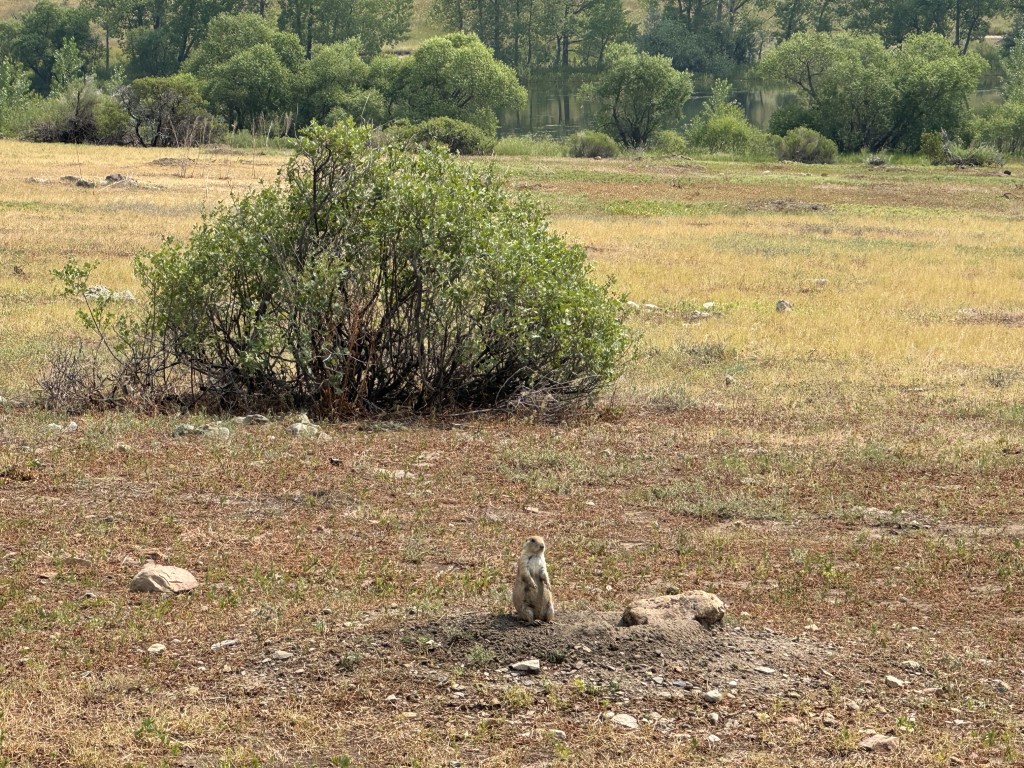
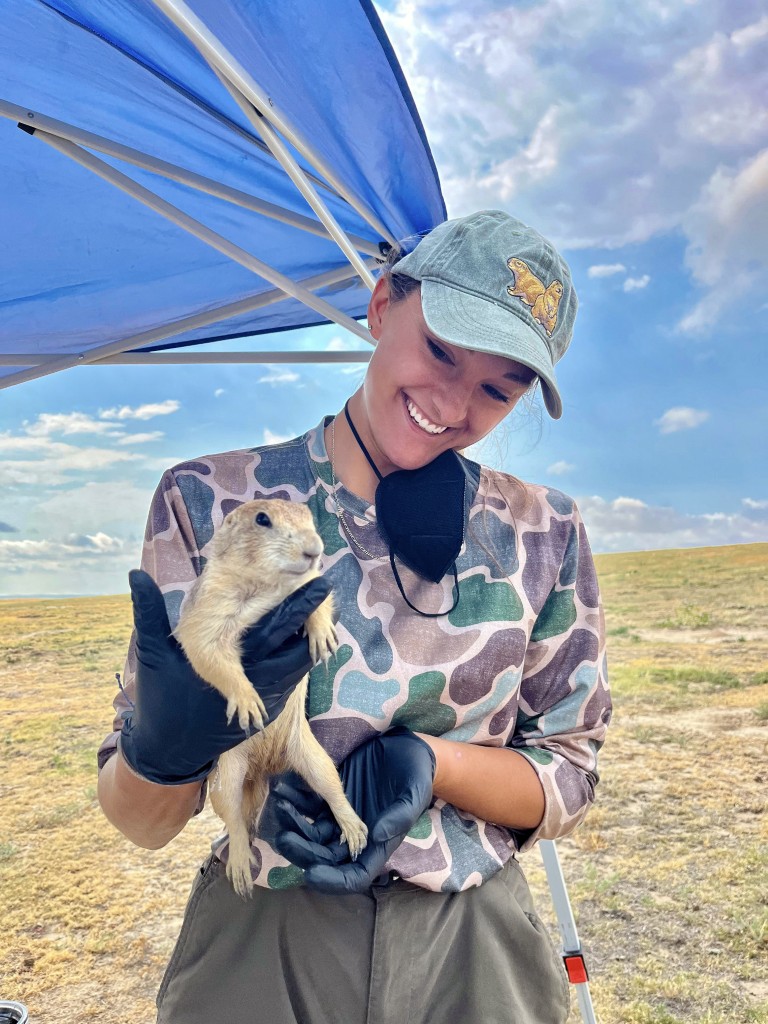
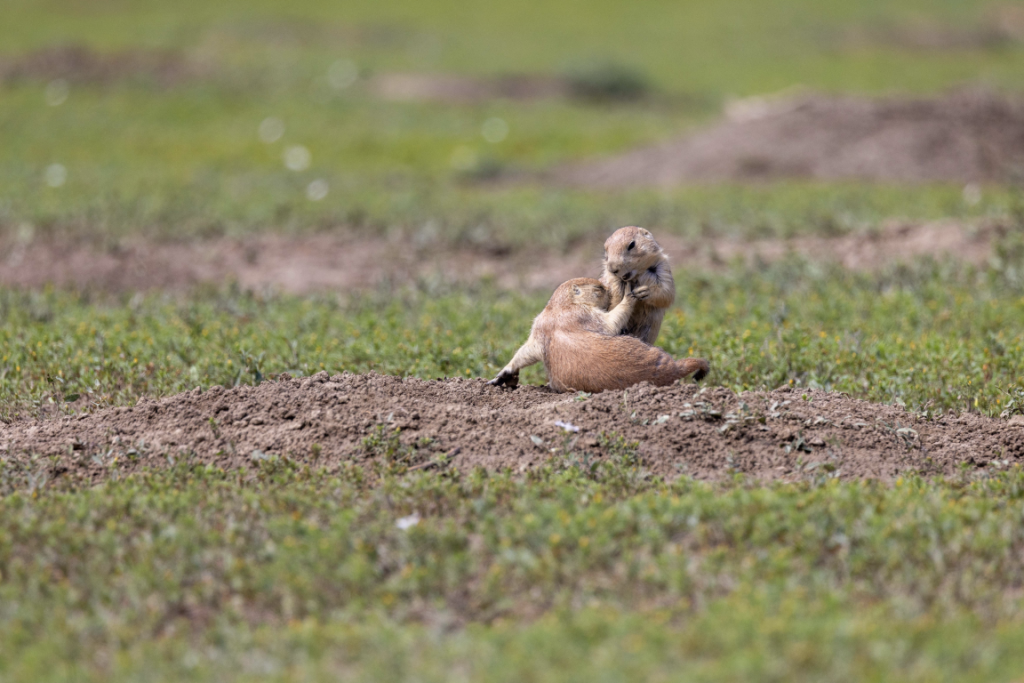
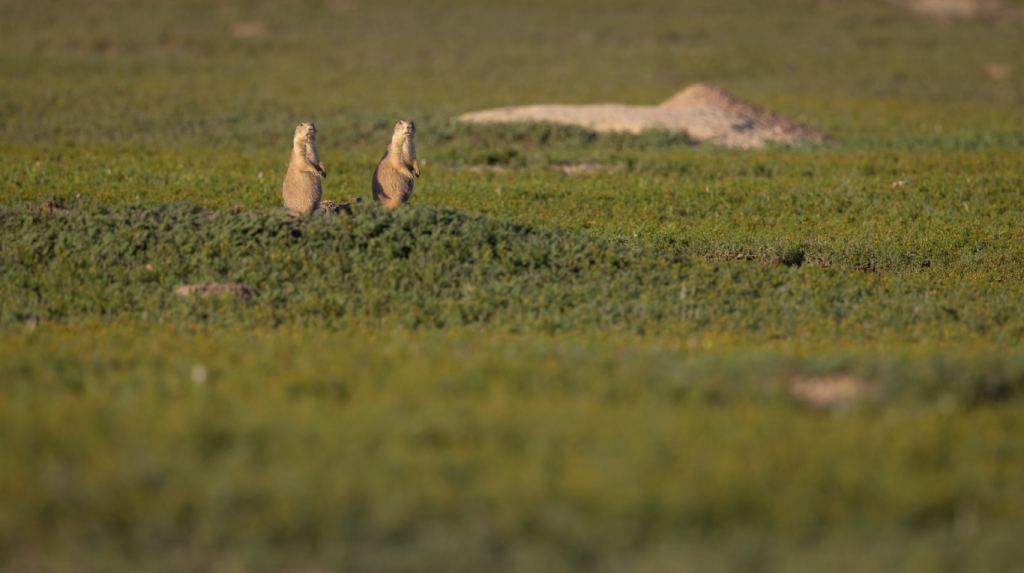
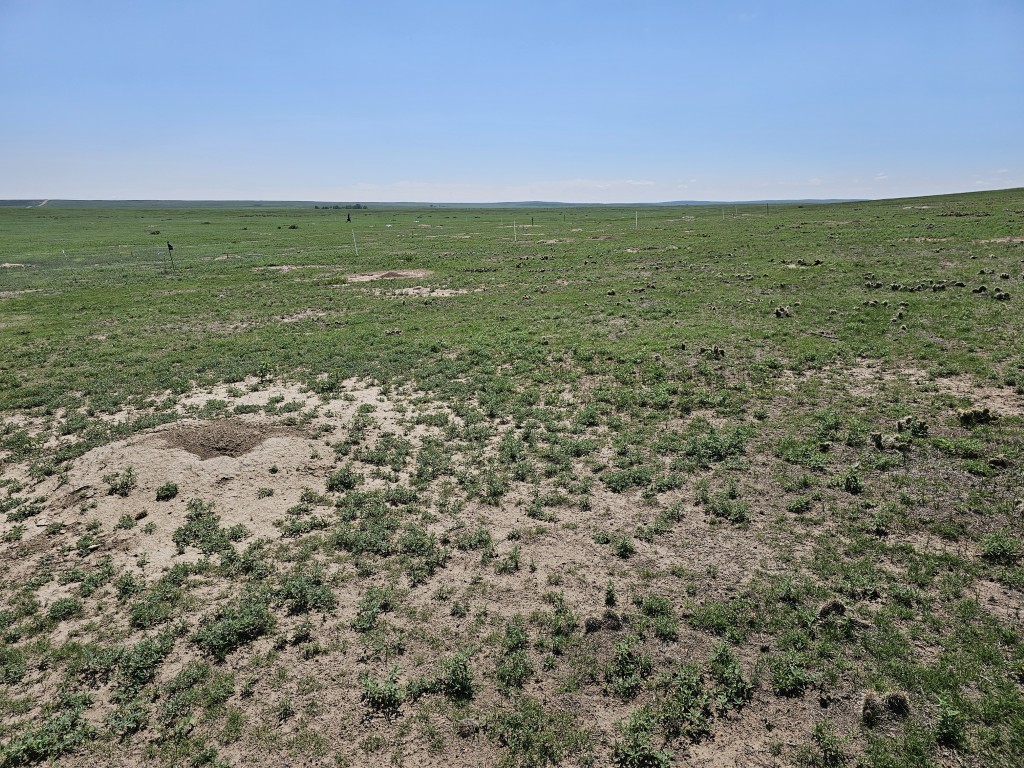
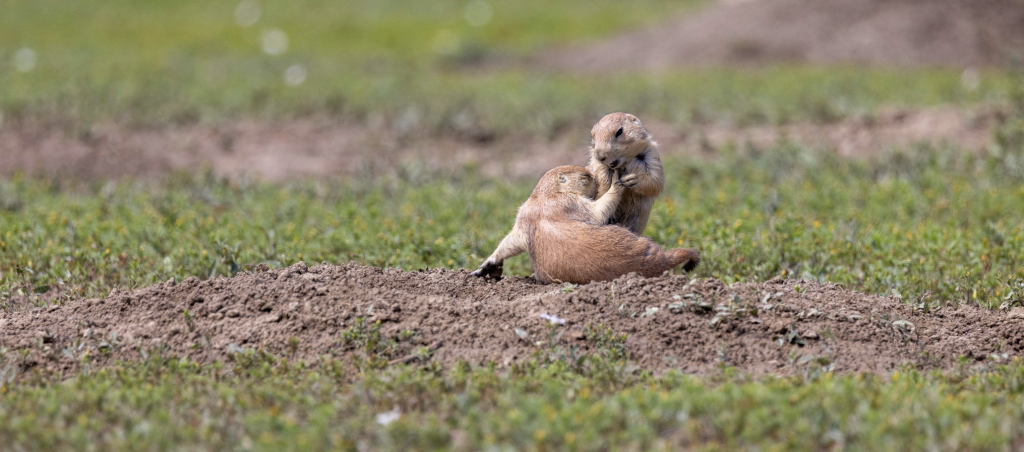
Prairie dogs (Cynomys spp.), a genus of ground-dwelling squirrels, are keystone species of North America’s Central Grasslands. Their colonies support rich biodiversity and help shape grassland ecosystem structure and function. However, prairie dog populations have been devastated by the introduction of Yersinia pestis—the bacterial pathogen that causes plague—in the early 1900s. This highly virulent pathogen can eliminate entire colonies during epizootics, causing cascading declines in species that rely on prairie dogs, including endangered predators such as the black-footed ferret.
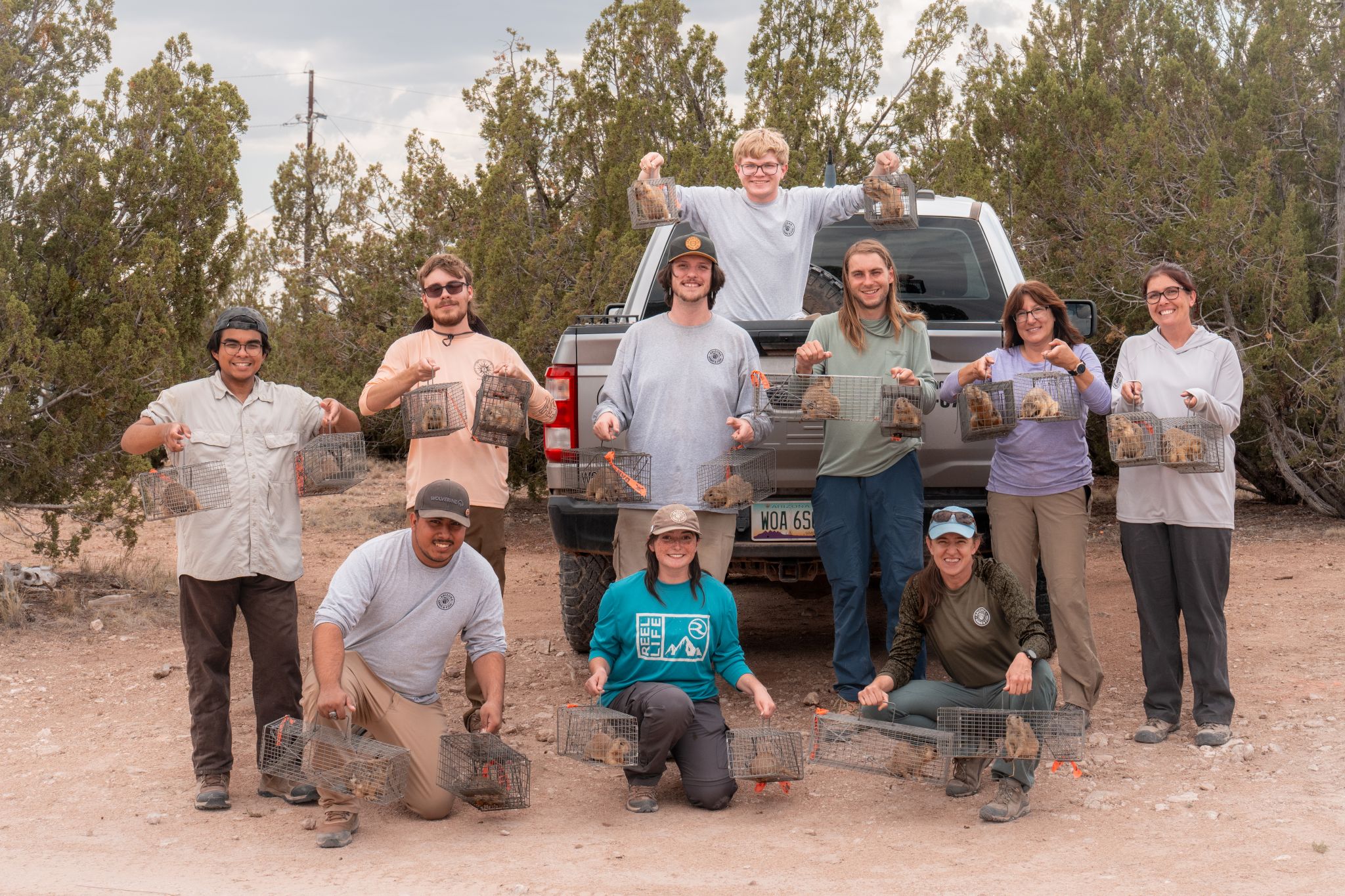
The prairie dog–plague system provides a powerful model for studying the evolution of resistance to emerging infectious diseases. Research by our collaborators has shown increased survival in some populations of Gunnison’s and black-tailed prairie dogs in plague-endemic regions, suggesting localized evolution of genetic resistance. However, this resistance remains poorly understood and geographically restricted; the vast majority of prairie dogs across their ranges remain highly susceptible.
Our work has important implications for the conservation of North America’s Central Grasslands and the many species associated with the prairie dog ecosystem. The concept of evolutionary rescue—where rapid adaptation allows populations to recover from environmental threats—is increasingly relevant in an era of global change. By identifying alleles that confer resistance to plague, our project explores how facilitated adaptation (the intentional spread of beneficial genetic variants) might be used as a proactive conservation strategy.
Understanding the genomic architecture of disease resistance in prairie dogs will inform management efforts aimed at enhancing population resilience. Moreover, the lessons learned from this system may apply to other wildlife threatened by introduced pathogens, such as amphibians affected by chytridiomycosis or bats facing white-nose syndrome. Ultimately, our research contributes to a broader understanding of how genetic adaptation can support biodiversity conservation in the face of emerging infectious diseases.
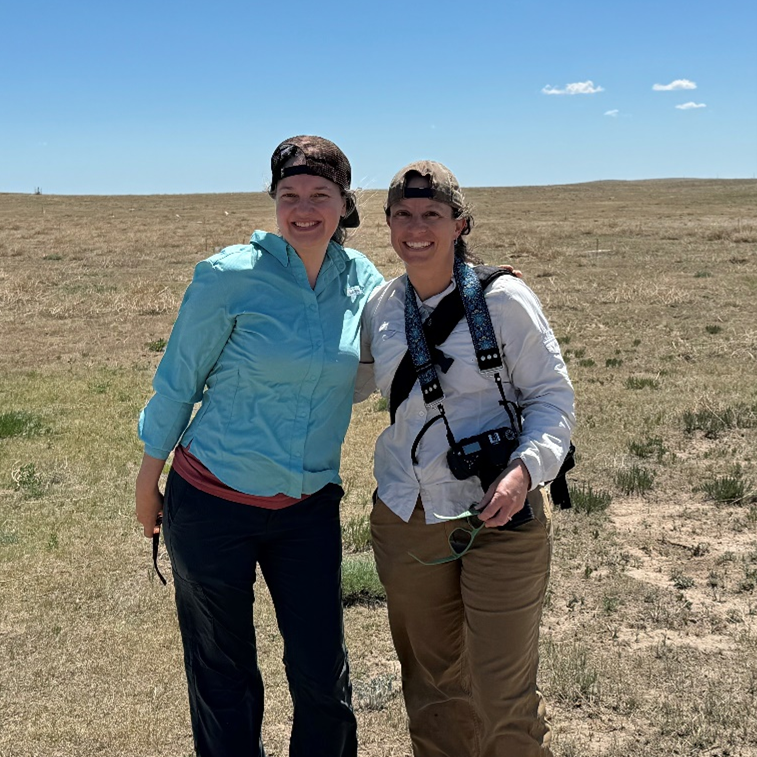
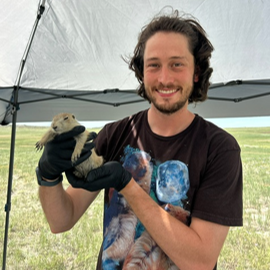
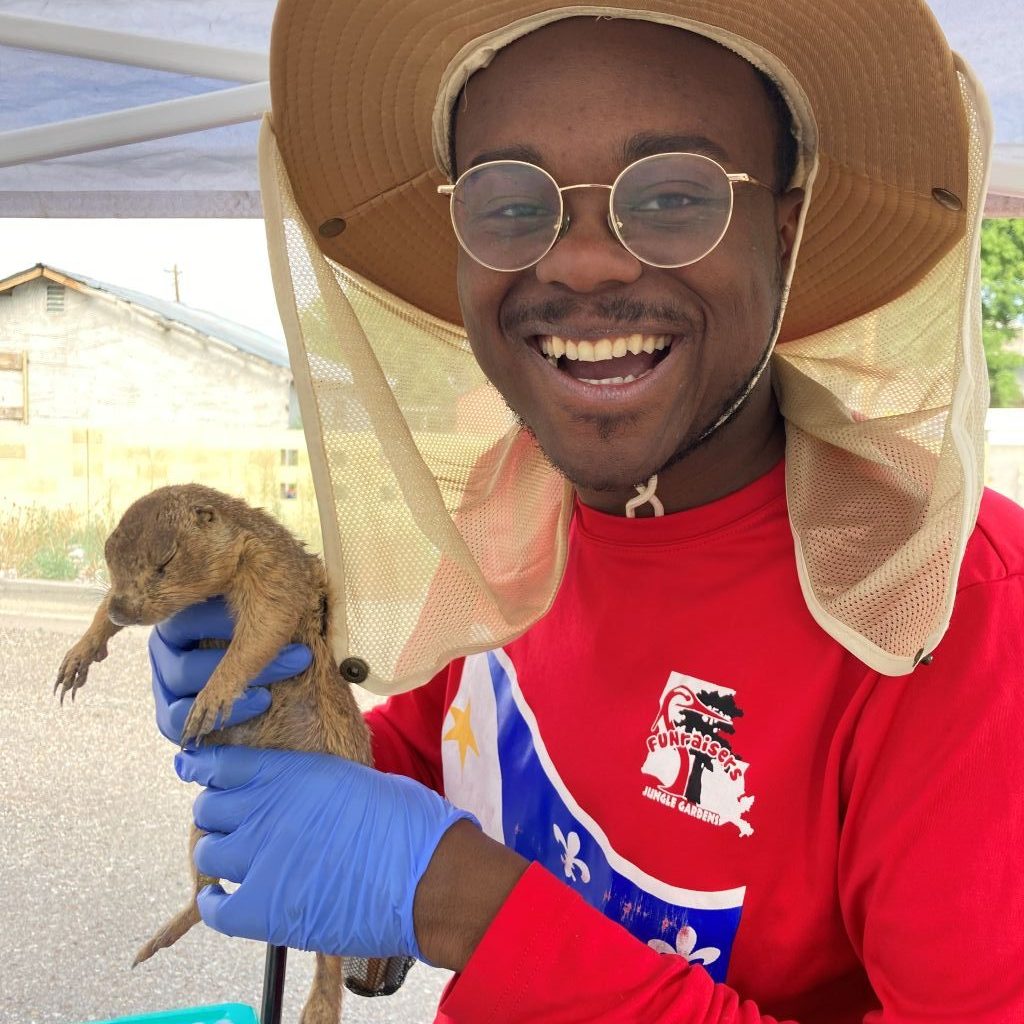
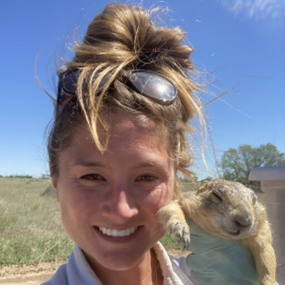
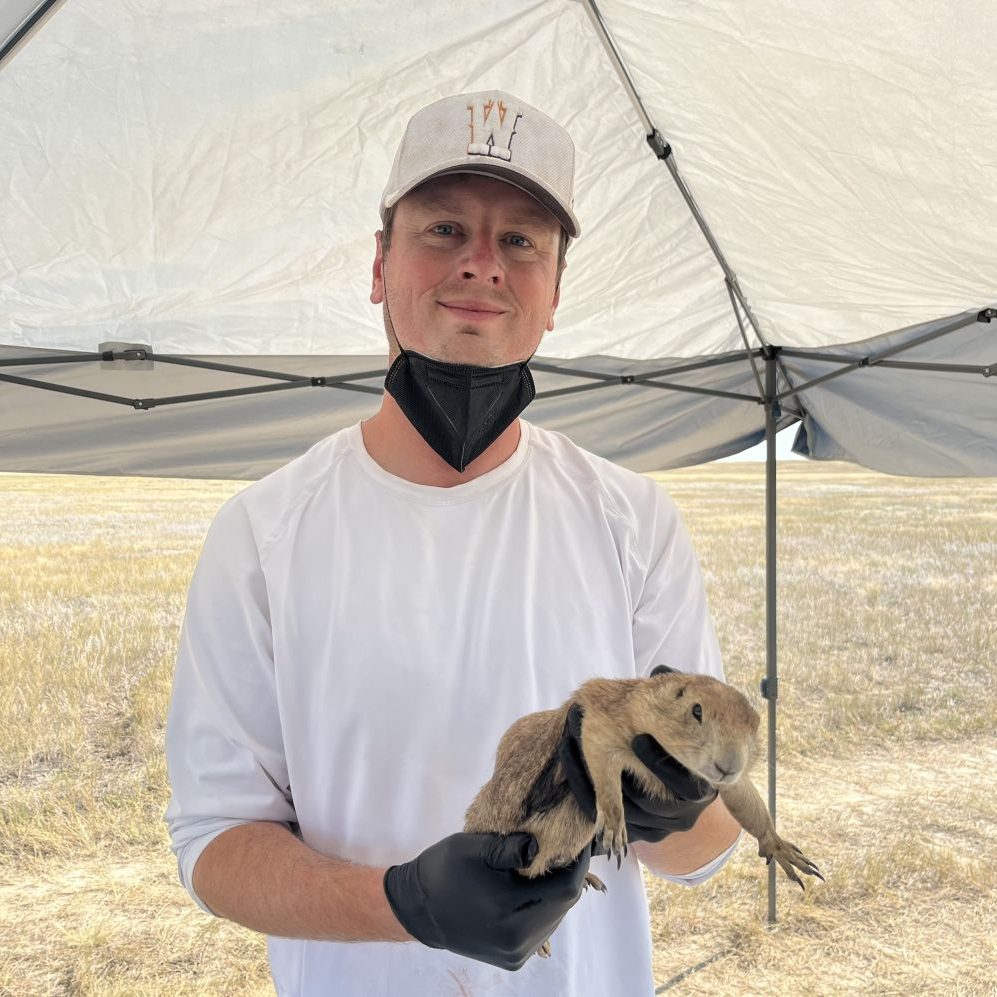
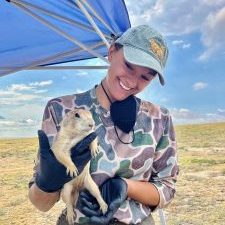
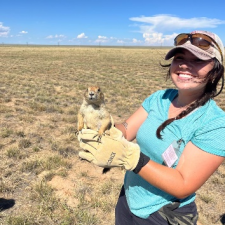
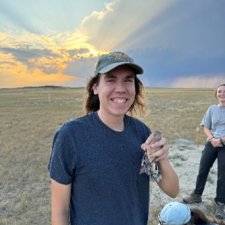
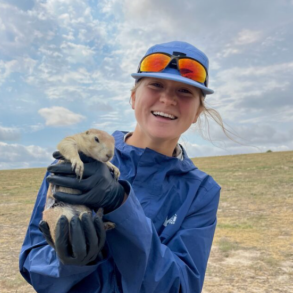
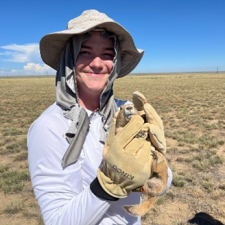
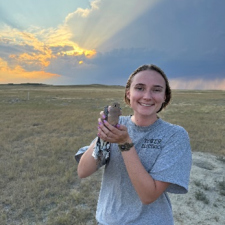
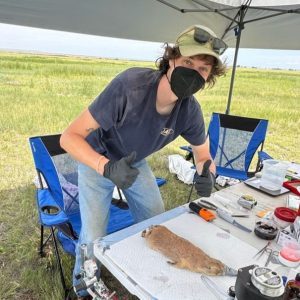
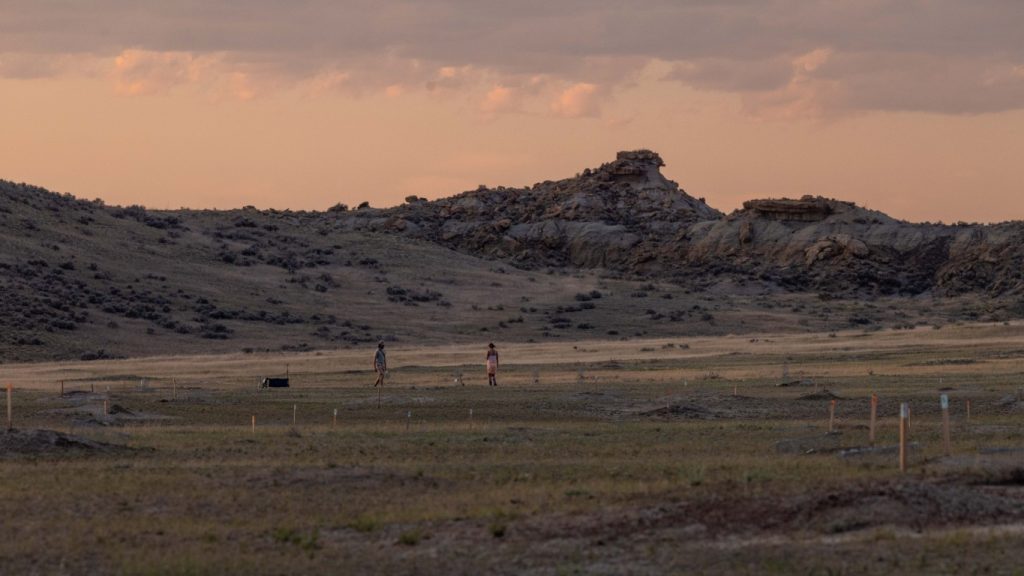
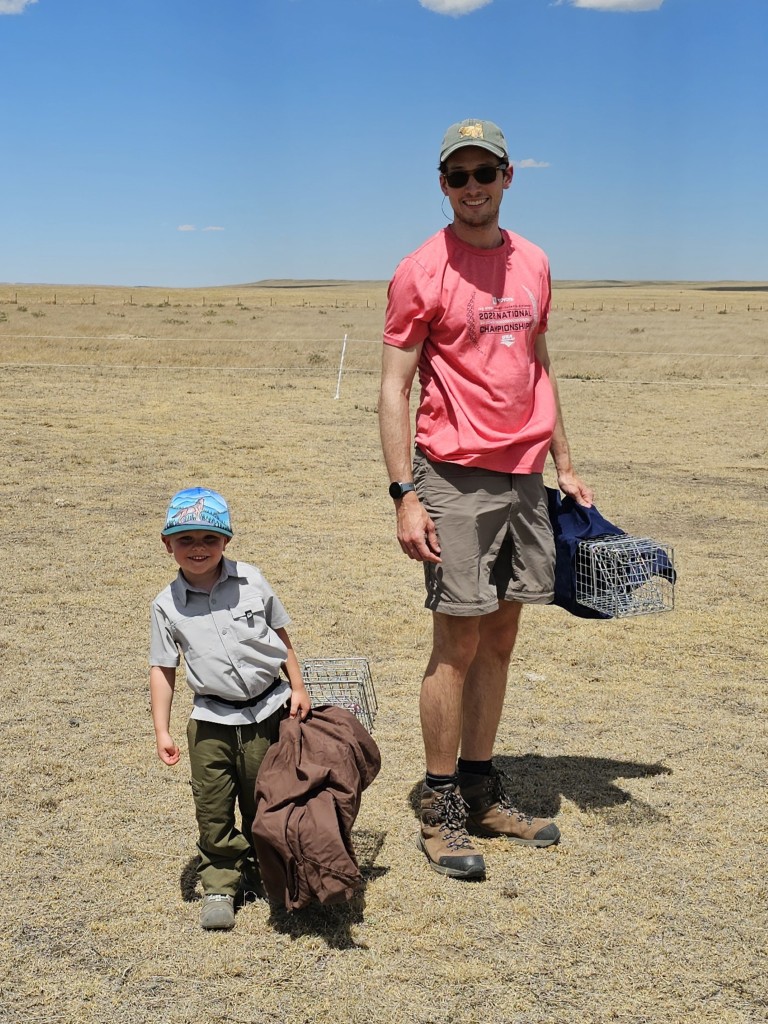
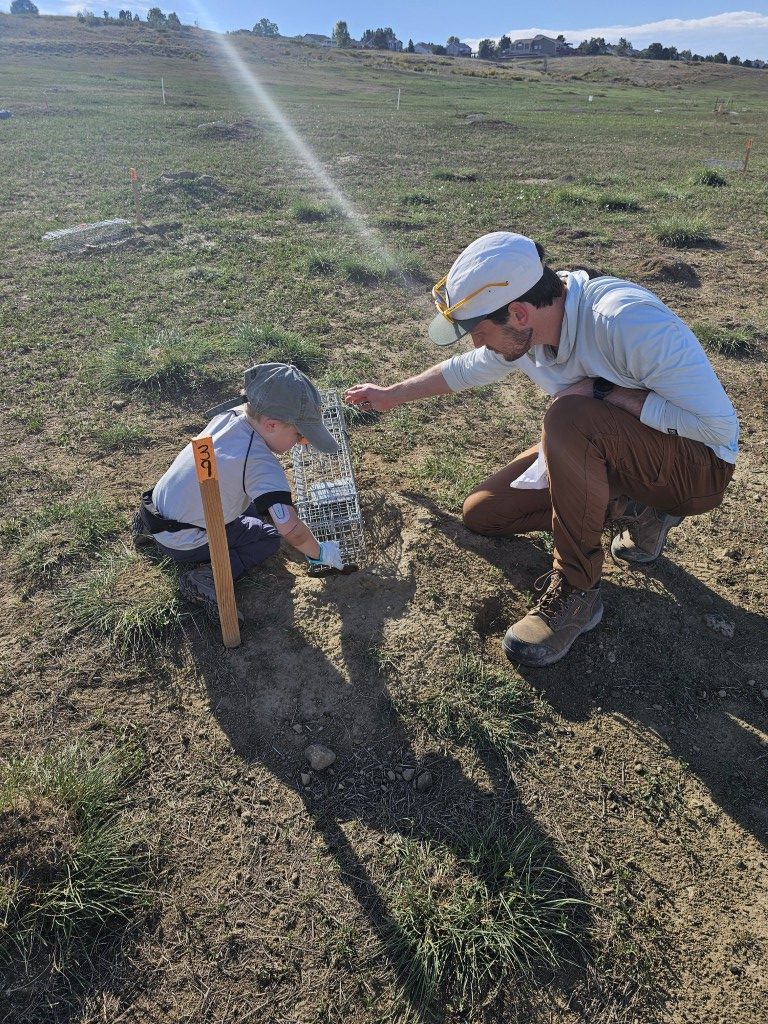
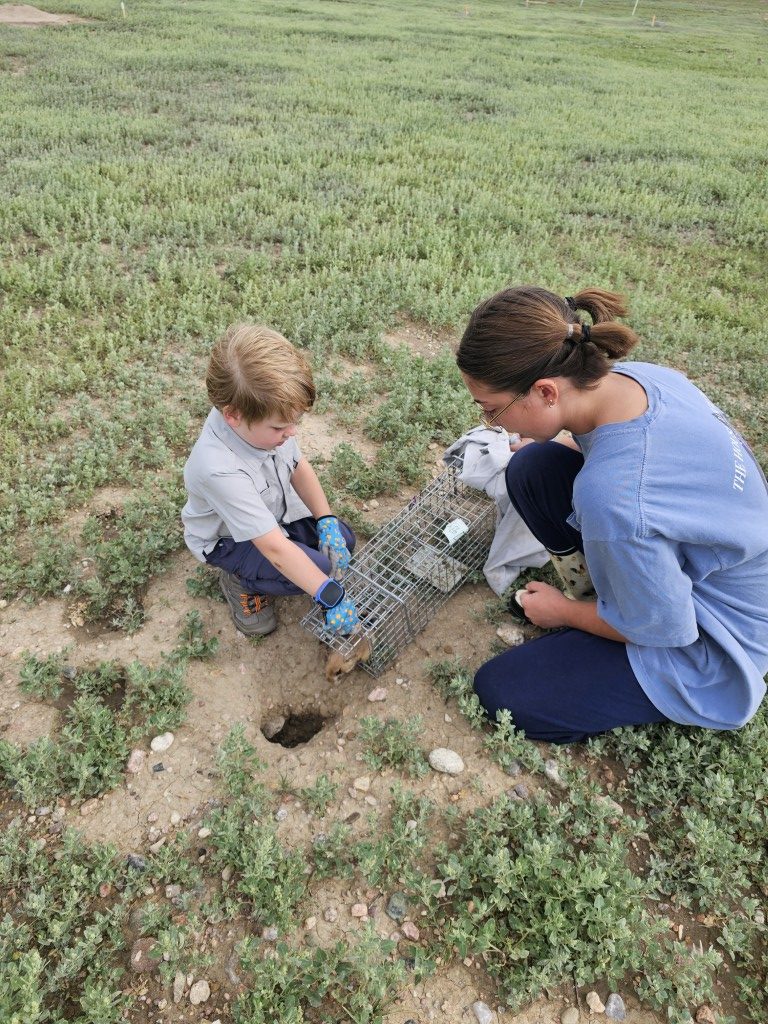
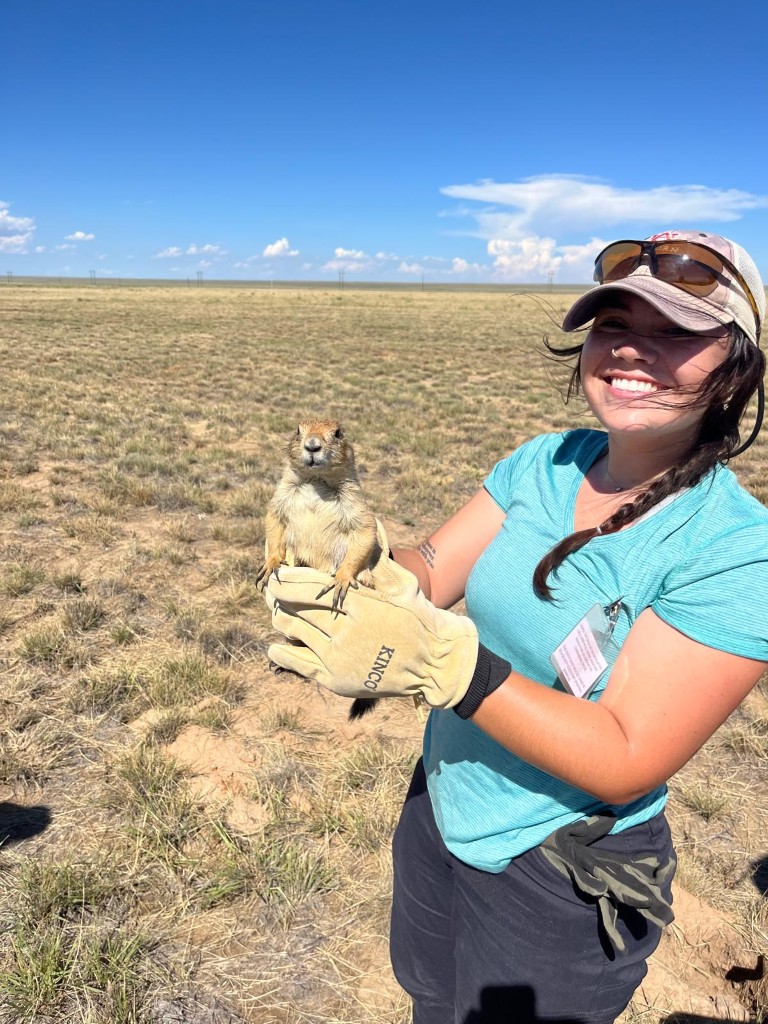
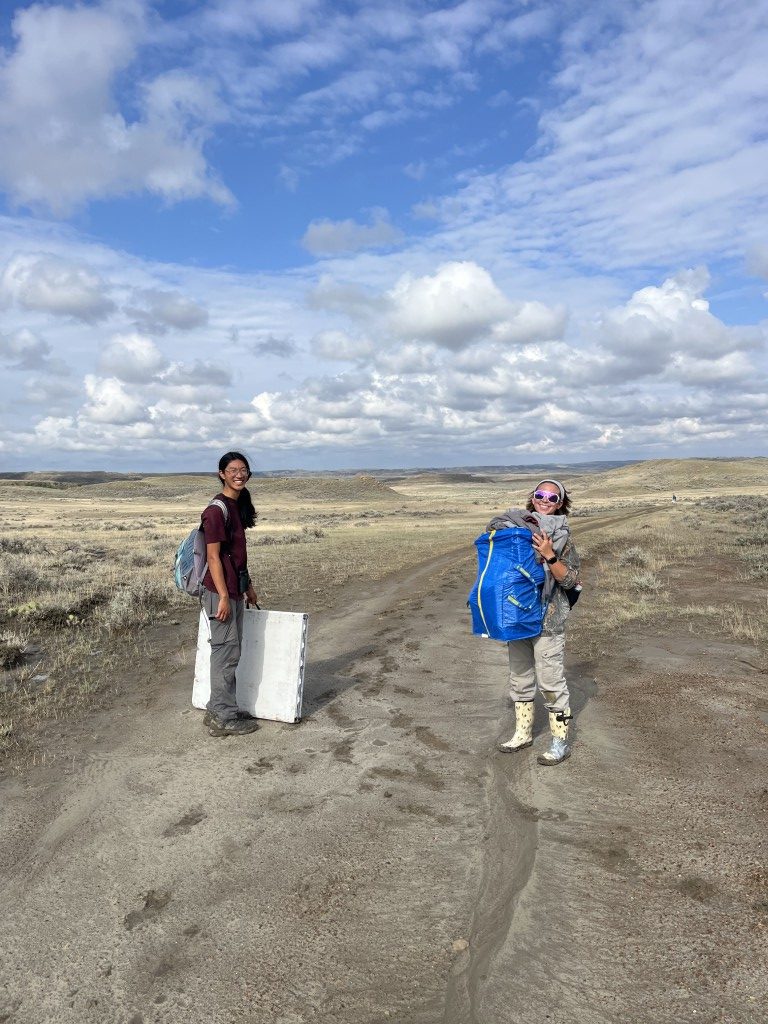
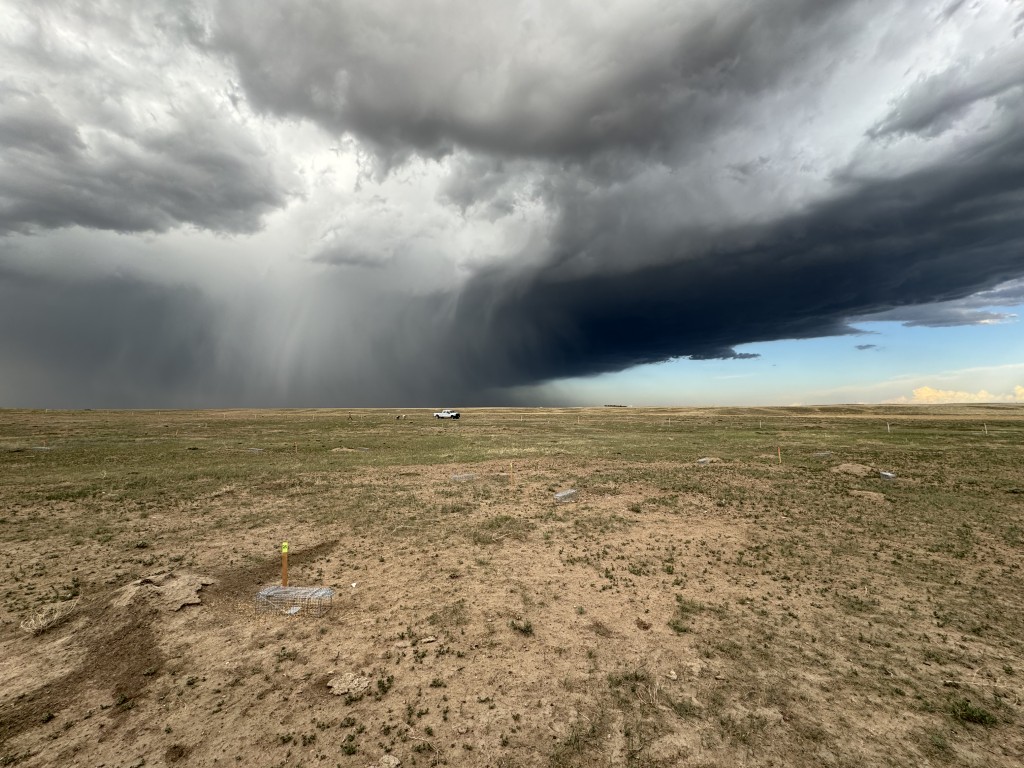
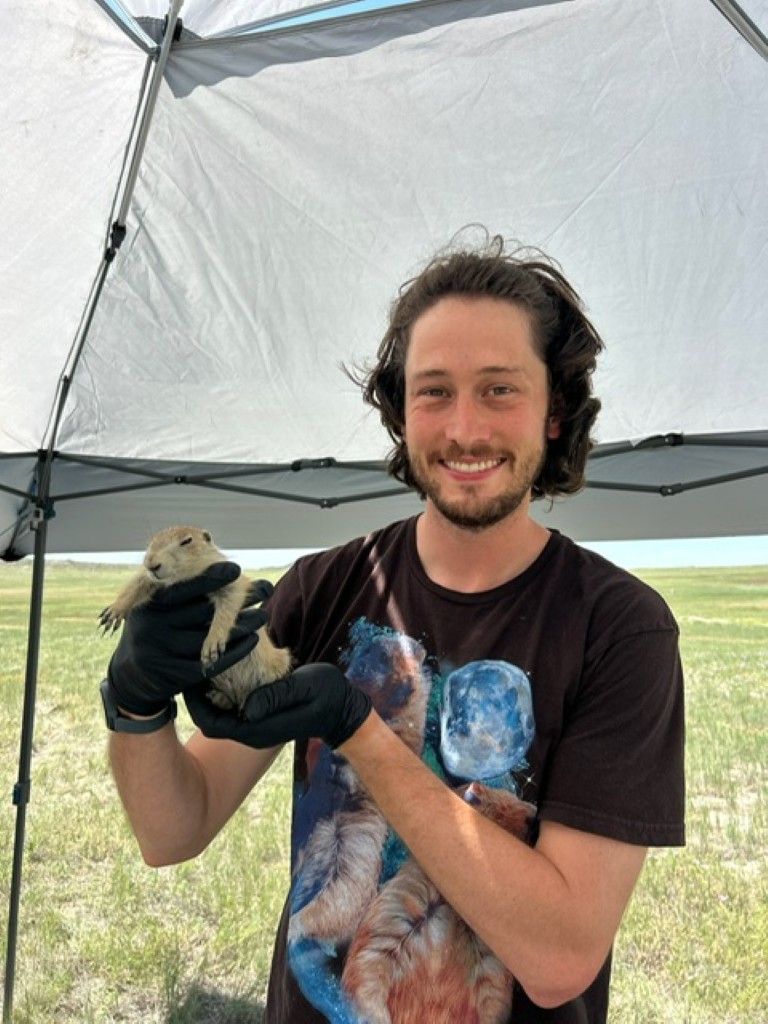
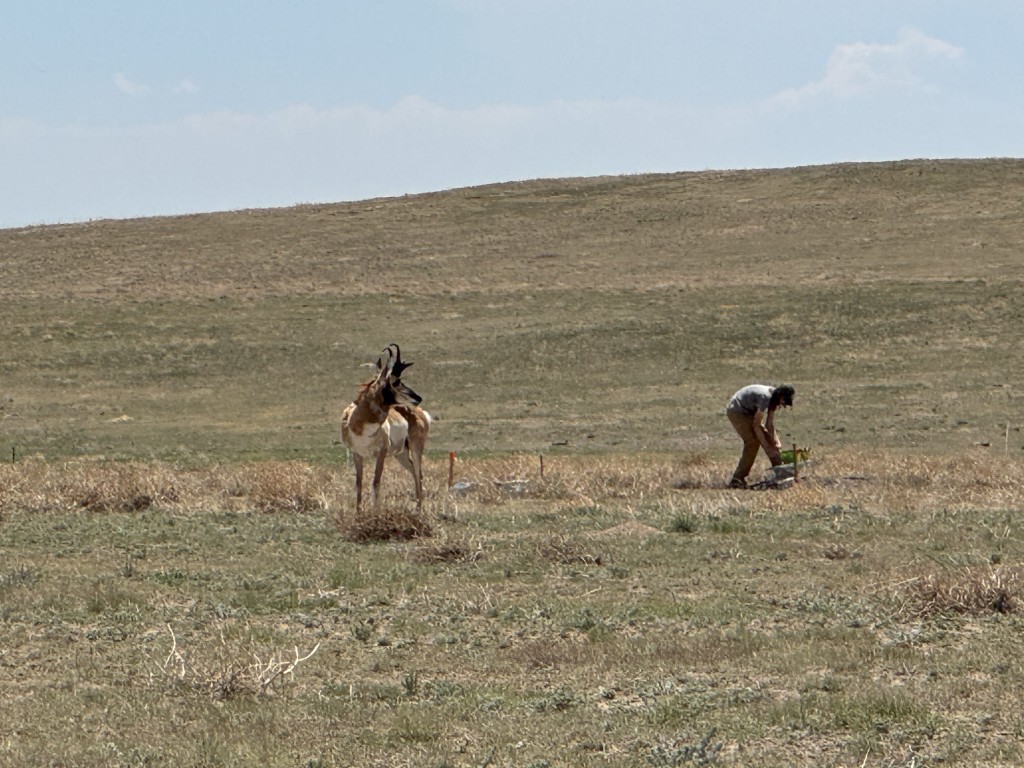
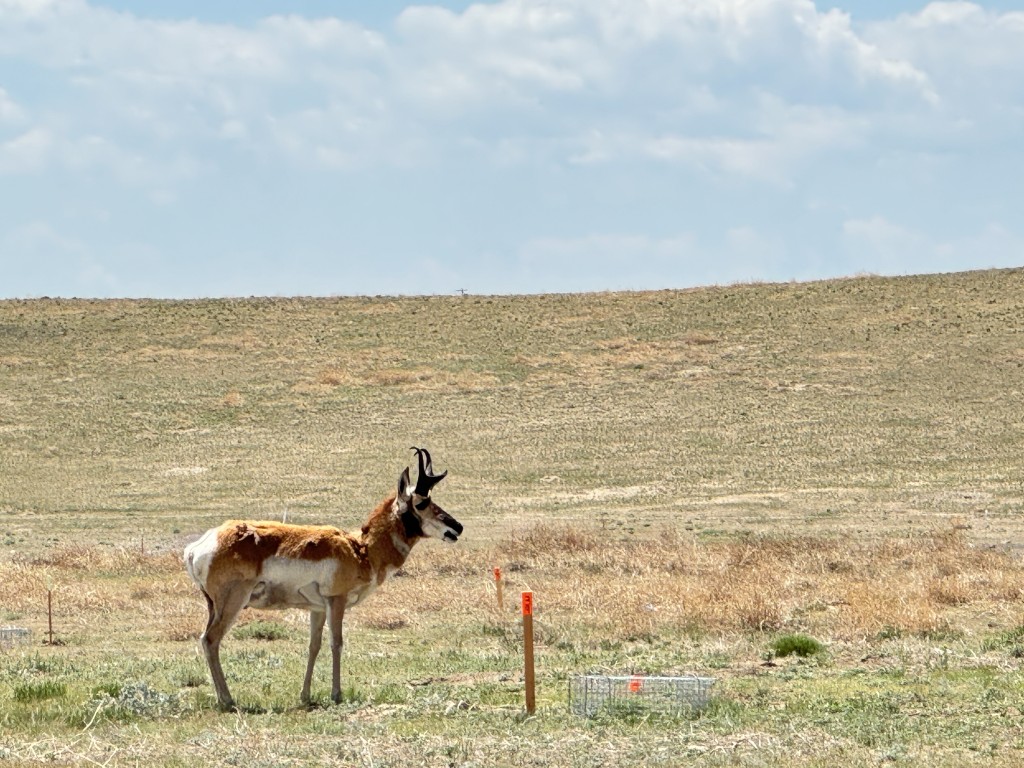
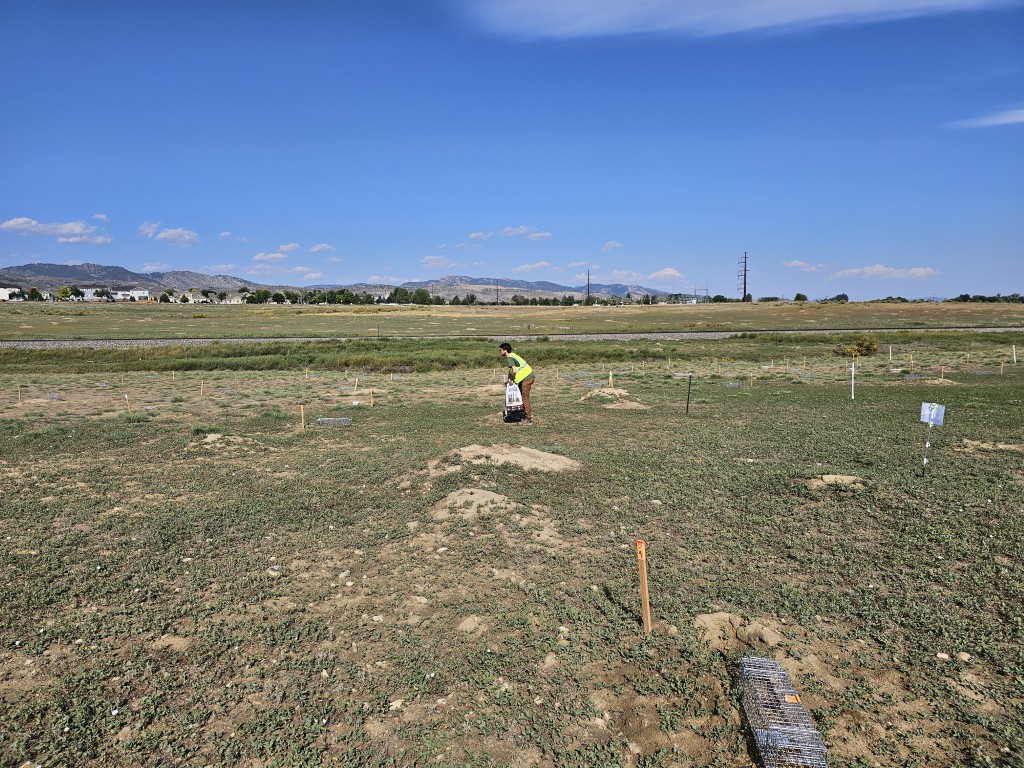
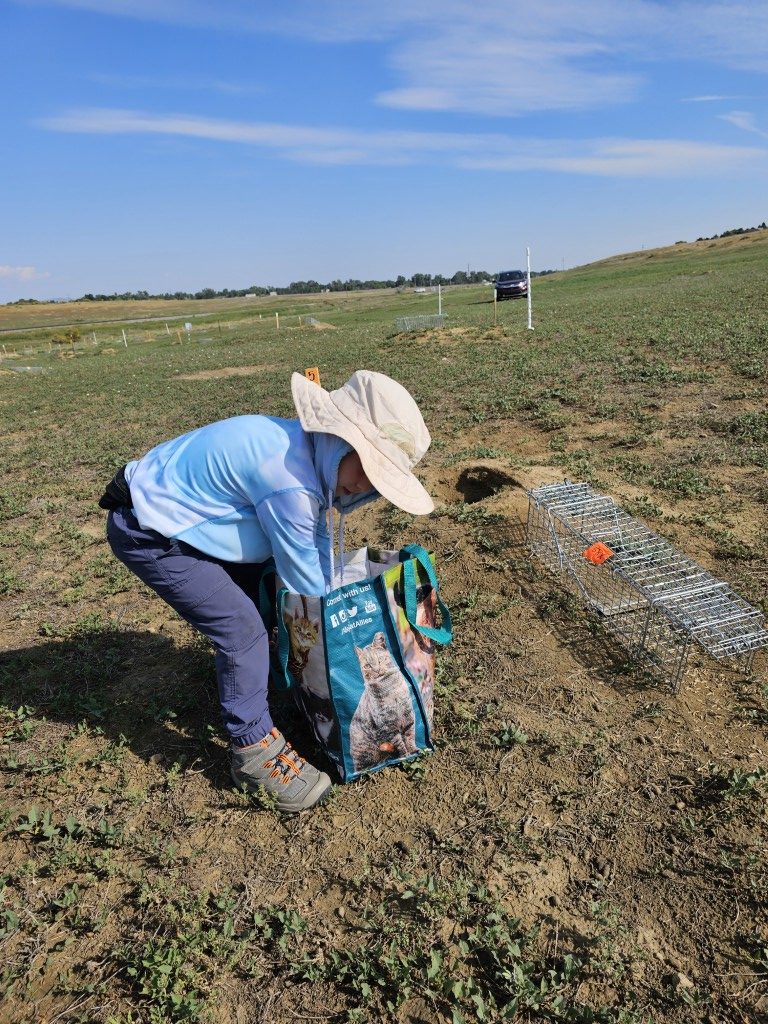
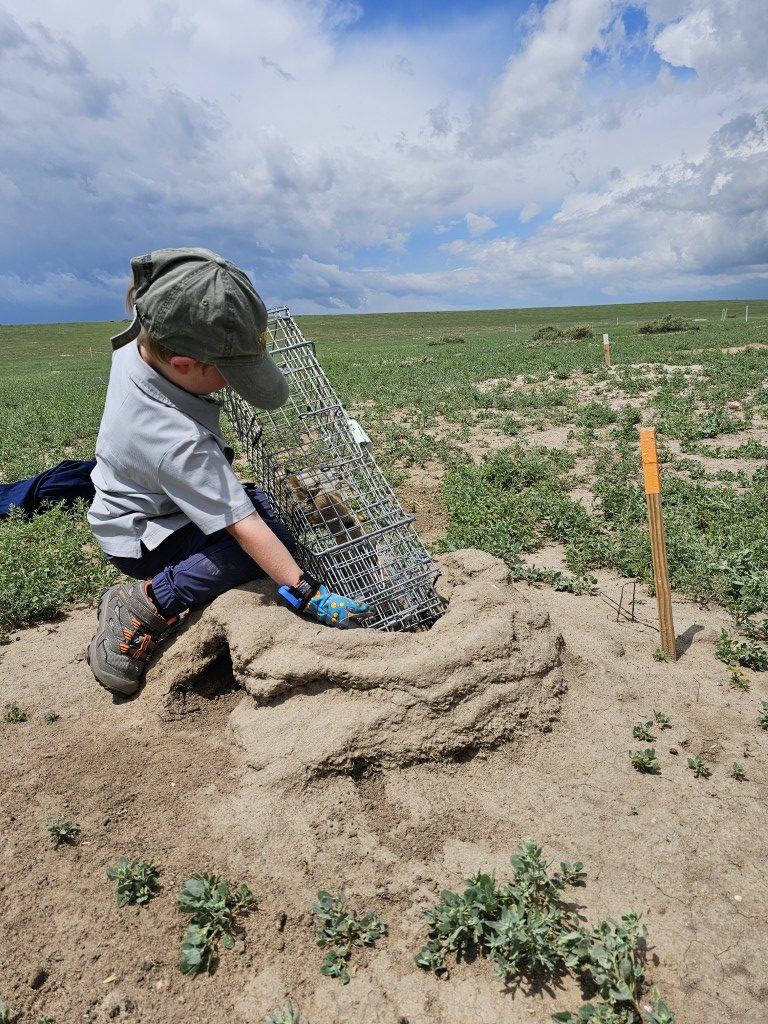
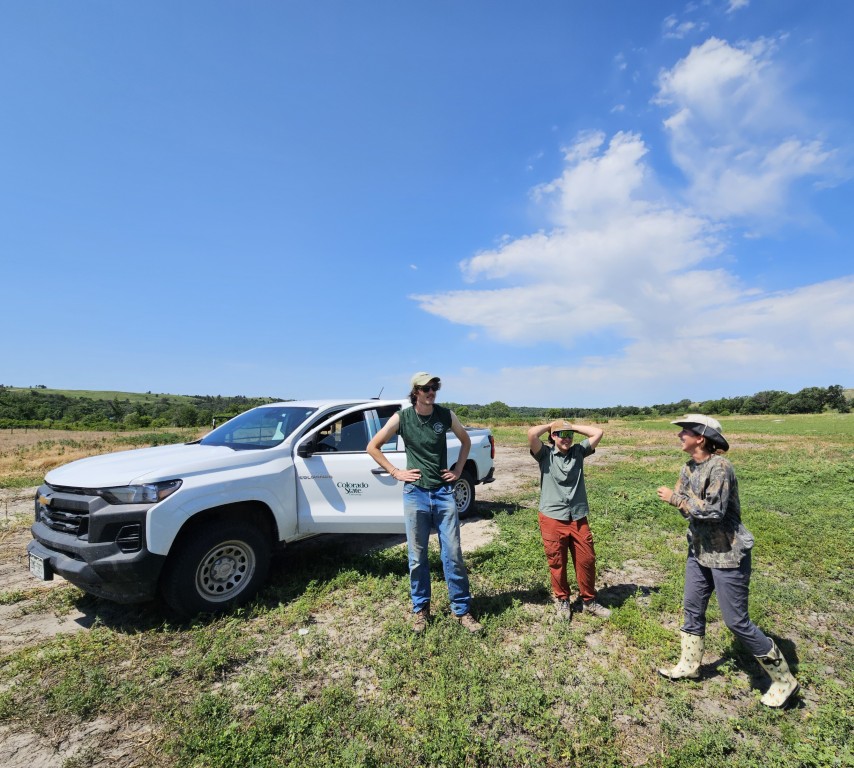
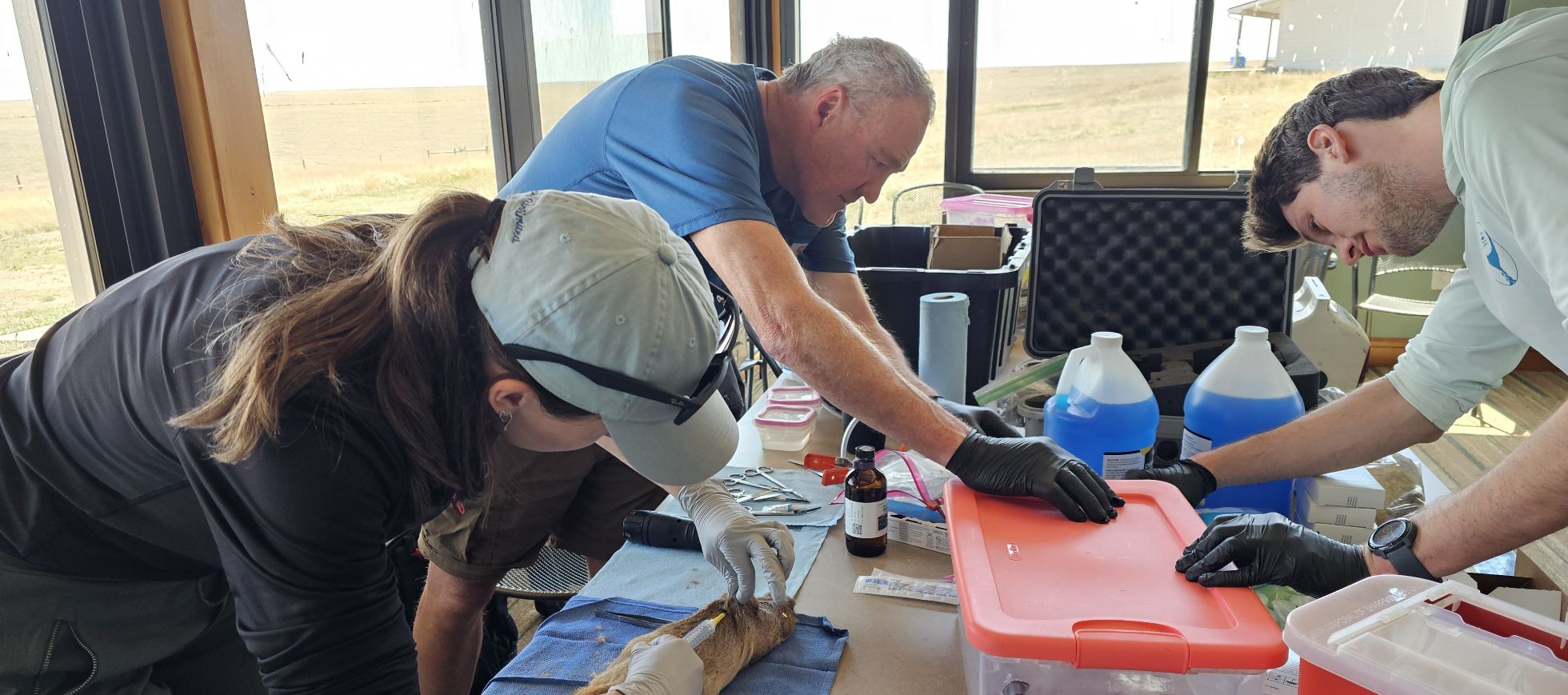
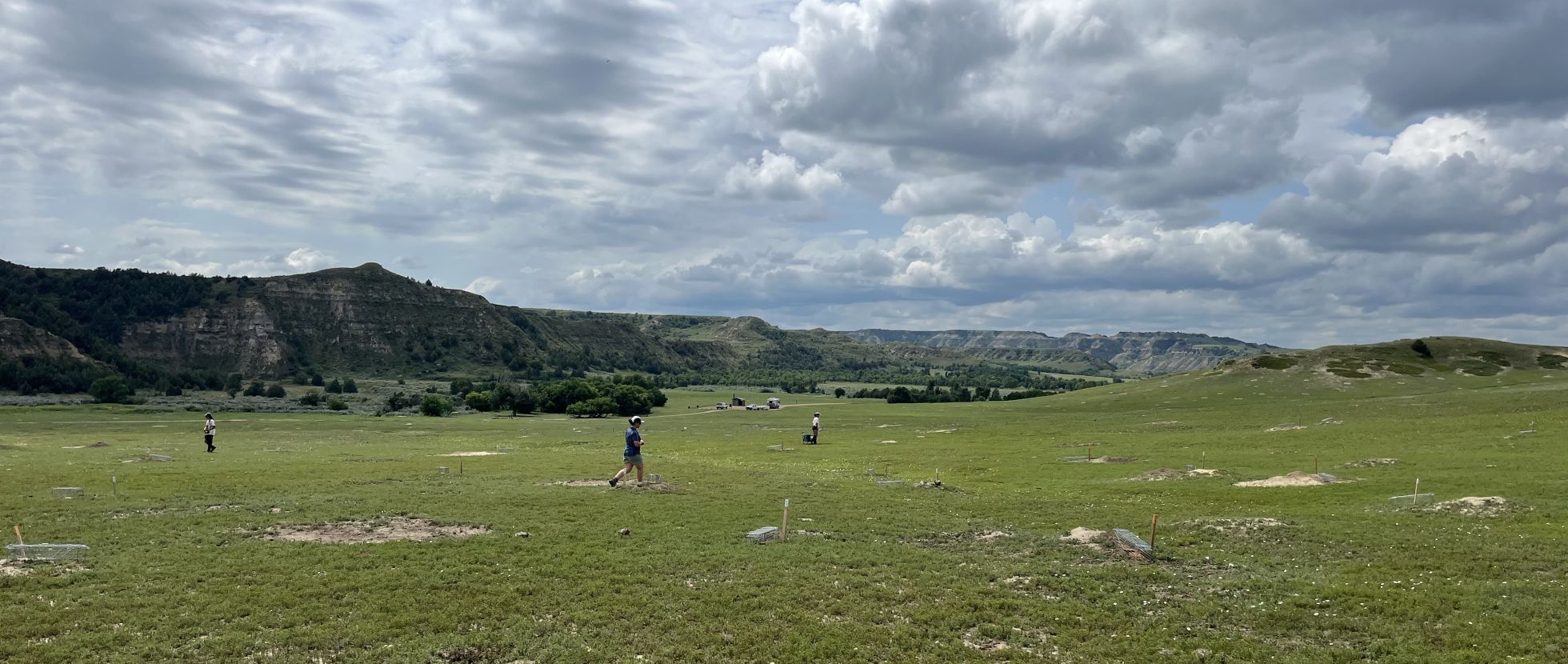
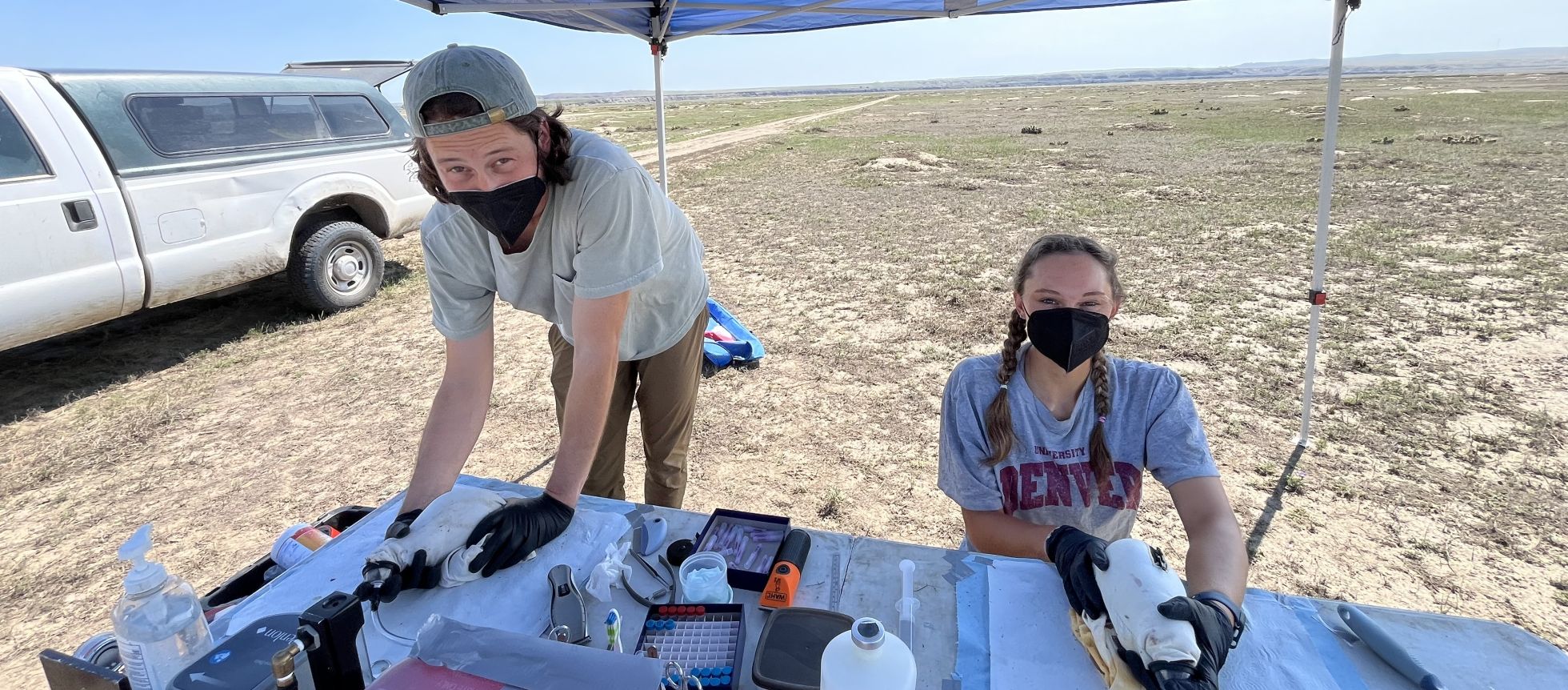
Dr. Ana Davidson and Dr. Loren Cassin-Sackett at the Central Plains Experimental Range in Weld County, Colorado.
Meet the Project Leads
Dr. Ana Davidson is a Research Scientist at the Colorado Natural Heritage Program and a joint faculty member in the Department of Fish, Wildlife & Conservation Biology at Colorado State University. Davidson is recognized both nationally and internationally for her expertise in burrowing mammals, grassland ecology and prairie dog ecosystems. Through field studies and ecological modeling, she develops data-driven strategies to address the ecosystem’s greatest threats—from plague and habitat loss to human–prairie dog conflict and climate change impacts.
Dr. Loren Cassin-Sackett is an assistant professor in the Department of Biology at the University of Louisiana at Lafayette. A conservation geneticist, Loren’s research explores how novel pathogens like Yersinia pestis exert selective pressure on prairie dog populations and investigates the genomic basis of observed resistance, using field and genomic approaches to unravel evolutionary adaptation in fragmented wildlife populations.
Together, Drs. Davidson and Cassin-Sackett combine expertise in field ecology and genomics to lead this interdisciplinary project, aiming to enhance our understanding of disease resistance in prairie dogs and support effective conservation strategies.

This is a National Science Foundation-funded Project

Dr. Joseph Busch
Co-Principal Investigator
Northern Arizona University
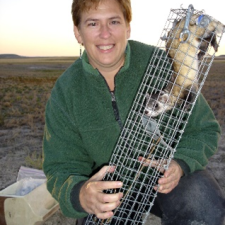
Dr. Tonie Rocke
Co-Principal Investigator
USGS National Wildlife Health Center

Dr. Kevin Shoemaker
Co-Principal Investigator
University of Nevada, Reno

Dr. Irene Ane-Anyangwe
Co-Principal Investigator
Navajo Technical University

Dr. Palmer Netongo
Co-Principal Investigator
Navajo Technical University

Dr. Rhiannon West
Co-Principal Investigator
Northern New Mexico College
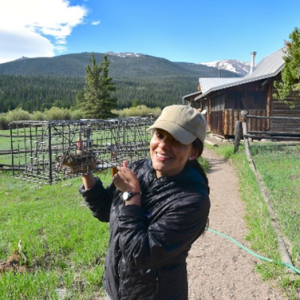
Dr. Lise Aubry
Collaborator
Colorado State University

Dr. Gabriel Barrile
Collaborator
University of Wyoming
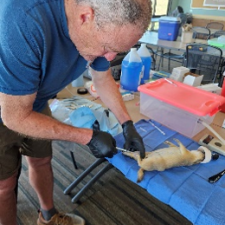
Dr. Kevin Castle
Collaborator & Wildlife Veterinarian
National Black-Footed Ferret Conservation Center