Colorado Natural Heritage Program Logo Colorado Natural Heritage Program Logo CNHP
  • About Us
    • About Us
      • Biennial Report
    • Conserving Biodiversity
    • Contact Us
    • Staff Directory
    • Careers
      • Employment
      • Internships
      • Volunteer
    • Events
    • The NatureServe Network
    • Partners
  • Our Work
    • Ecology
    • Wetlands
    • Plants
    • Animals
    • Climate Change
    • Education
    • Invasive Species
    • Statewide Natural Heritage Survey
  • Our Services
    • Database Development
    • GIS Analysis & Modeling
    • Mapping
    • Surveys & Inventories
    • Monitoring & Assessment
    • Conservation Planning
    • Private Lands Conservation
  • Data
    • About CNHP Data
    • Tracking Lists
    • Request Data
    • Contribute Data
    • Download Data
    • Potential Conservation Areas
    • Help & Documentation
  • Maps
    • (CODEX) Conservation Data Explorer
    • CNHP Spatial Layers
    • Wetlands Mapper
    • COMaP
  • Library
    • Reports
    • Tracking Lists
    • Potential Conservation Areas
    • Field Guides
      • Rare Plant Guide
      • Colorado Wetland Field Guides
  • Blog
  • Use CODEX Conservation Data Explorer

  • Donate Now

BioBlitzes

The Colorado Natural Heritage has coordinated and participated in numerous BioBlitzes!
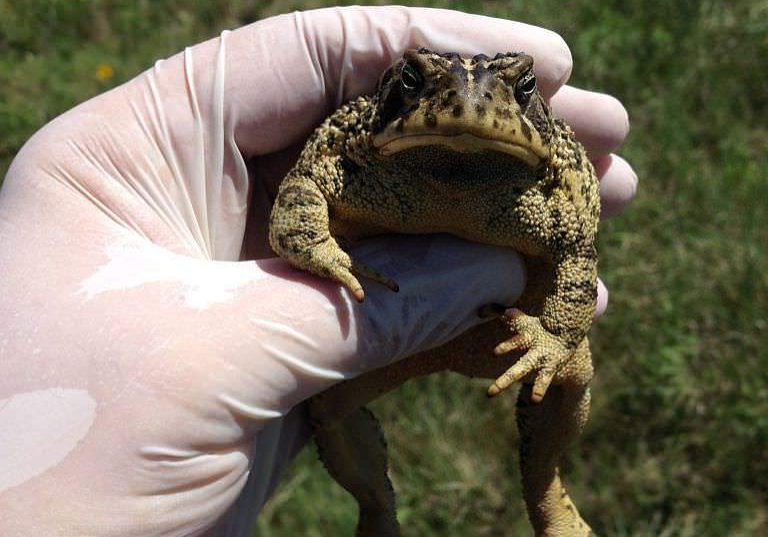
BBoreal toad (Anaxyrus boreas pop. 1)
Boreal toad (Anaxyrus boreas pop. 1)
Colorado hookless cactus
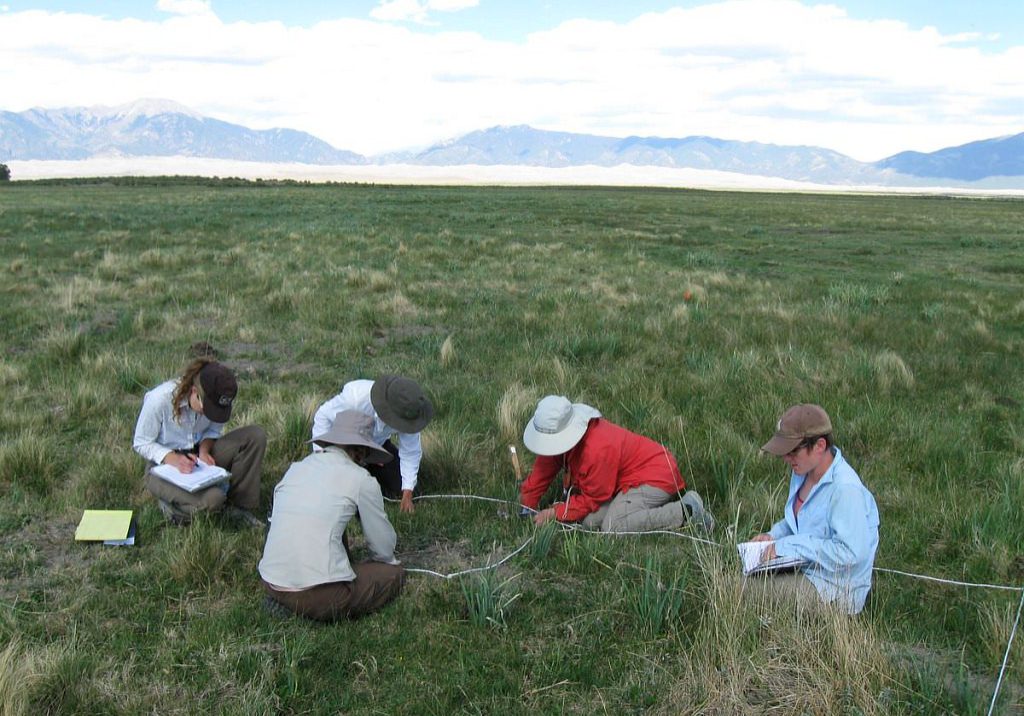
Plot layout with many helping hands

See the videos below for a BioBlitz primer:

What is a BioBlitz?

A BioBlitz is an intensive period of biological surveying in which teams of scientists, students, teachers, and other community members work together to find, identify, and record all the living species within a designated area.

Tools used to collect data

ipad/tablet apps, smartphone apps, gps units, digital cameras, drone cameras

Where are data cataloged and stored?

  • iNaturalist online repository
  • Picture Post online repository
  • Herbaria (plant specimen collections)
  • Colorado Natural Heritage Program’s BIOTICS database
  • Google Maps

How data are used in the future?

  • As baseline knowledge of the land for the owners to make management decisions
  • Data may contribute to long range data sets to study ecological change
  • Helps to create a deeper understanding of the landscape
  • Discoveries can help inform management across property boundaries

Products of BioBlitz:

  • A complete species list
  • Maps of vegetation and conservation priorities
  • Photographs
  • Continuation of photo points using Picture Post
  • Plant specimens that are deposited in herbaria
  • Other specimens of animals (mostly arthropods) that are deposited at appropriate institutions in Colorado
  • A book documenting the Bioblitz and its findings, and placing the natural heritage resources of the properties into context
  • Multi-media storytelling piece(s) (video, audio, photos)
Next BioBlitz Spring 2020

Our Work

Ecology
Wetlands
Plants
Animals
Climate Change
Education
Invasive Species

Related Topics

Database Development
GIS Analysis & Modeling
Mapping
Surveys & Inventories
Monitoring & Assessment
Conservation Planning

Web Projects

  • CODEX - Colorado’s Conservation Data Explorer
  • Rare Plant Guide Online
  • Colorado Wetland Info Center
  • COMaP - Colorado Protected Lands
  • Colorado Bat Working Group
  • STReaMS - Endangered Fishes Database
  • Colorado Native Plant Database Data Portal

About Us

  • About Us
  • Conserving Biodiversity
  • Contact Us
  • Staff Directory
  • Careers
  • The NatureServe Network
  • Partners
  • Site Map
Warner College of Natural Resources Logo
  • Apply to CSU
  • Equal Opportunity
  • Disclaimer
  • Privacy Statement
  • Search CSU
  • CSU Land Acknowledgement
  • CSU Principles of Community
© 2025 Colorado Natural Heritage Program
Colorado State University Logo
  • About Us
    ▼
    • About Us
      ▼
      • Biennial Report
    • Conserving Biodiversity
    • Contact Us
    • Staff Directory
    • Careers
      ▼
      • Employment
      • Internships
      • Volunteer
    • Events
    • The NatureServe Network
    • Partners
  • Our Work
    ▼
    • Ecology
    • Wetlands
    • Plants
    • Animals
    • Climate Change
    • Education
    • Invasive Species
    • Statewide Natural Heritage Survey
  • Our Services
    ▼
    • Database Development
    • GIS Analysis & Modeling
    • Mapping
    • Surveys & Inventories
    • Monitoring & Assessment
    • Conservation Planning
    • Private Lands Conservation
  • Data
    ▼
    • About CNHP Data
    • Tracking Lists
    • Request Data
    • Contribute Data
    • Download Data
    • Potential Conservation Areas
    • Help & Documentation
  • Maps
    ▼
    • (CODEX) Conservation Data Explorer
    • CNHP Spatial Layers
    • Wetlands Mapper
    • COMaP
  • Library
    ▼
    • Reports
    • Tracking Lists
    • Potential Conservation Areas
    • Field Guides
      ▼
      • Rare Plant Guide
      • Colorado Wetland Field Guides
  • Blog
  • Use CODEX Conservation Data Explorer

  • Donate Now
  • About Us
    ▼
    • About Us
      ▼
      • Biennial Report
    • Conserving Biodiversity
    • Contact Us
    • Staff Directory
    • Careers
      ▼
      • Employment
      • Internships
      • Volunteer
    • Events
    • The NatureServe Network
    • Partners
  • Our Work
    ▼
    • Ecology
    • Wetlands
    • Plants
    • Animals
    • Climate Change
    • Education
    • Invasive Species
    • Statewide Natural Heritage Survey
  • Our Services
    ▼
    • Database Development
    • GIS Analysis & Modeling
    • Mapping
    • Surveys & Inventories
    • Monitoring & Assessment
    • Conservation Planning
    • Private Lands Conservation
  • Data
    ▼
    • About CNHP Data
    • Tracking Lists
    • Request Data
    • Contribute Data
    • Download Data
    • Potential Conservation Areas
    • Help & Documentation
  • Maps
    ▼
    • (CODEX) Conservation Data Explorer
    • CNHP Spatial Layers
    • Wetlands Mapper
    • COMaP
  • Library
    ▼
    • Reports
    • Tracking Lists
    • Potential Conservation Areas
    • Field Guides
      ▼
      • Rare Plant Guide
      • Colorado Wetland Field Guides
  • Blog
  • Use CODEX Conservation Data Explorer

  • Donate Now
  • About Us
    ▼
    • About Us
      ▼
      • Biennial Report
    • Conserving Biodiversity
    • Contact Us
    • Staff Directory
    • Careers
      ▼
      • Employment
      • Internships
      • Volunteer
    • Events
    • The NatureServe Network
    • Partners
  • Our Work
    ▼
    • Ecology
    • Wetlands
    • Plants
    • Animals
    • Climate Change
    • Education
    • Invasive Species
    • Statewide Natural Heritage Survey
  • Our Services
    ▼
    • Database Development
    • GIS Analysis & Modeling
    • Mapping
    • Surveys & Inventories
    • Monitoring & Assessment
    • Conservation Planning
    • Private Lands Conservation
  • Data
    ▼
    • About CNHP Data
    • Tracking Lists
    • Request Data
    • Contribute Data
    • Download Data
    • Potential Conservation Areas
    • Help & Documentation
  • Maps
    ▼
    • (CODEX) Conservation Data Explorer
    • CNHP Spatial Layers
    • Wetlands Mapper
    • COMaP
  • Library
    ▼
    • Reports
    • Tracking Lists
    • Potential Conservation Areas
    • Field Guides
      ▼
      • Rare Plant Guide
      • Colorado Wetland Field Guides
  • Blog
  • Use CODEX Conservation Data Explorer

  • Donate Now

Spatial layers created for the BTPD Habitat Suitability Model`

Methods used for building the BTPD Habitat Suitability Model.

Methodological approach for identifying suitable landscapes for the black-tailed prairie dog (BTPD) ecosystem conservation.

Maps of state-level high conservation potential habitat (top 10% and 30%) for the black-tailed prairie dog ecosystem, under current and future climates (present, warm/wet, hot/dry, and overlaps

Maps of range-wide high conservation potential habitat (top 10% and 30%) for the black-tailed prairie dog ecosystem, under current and future climates (present, warm/wet, hot/dry, and overlaps

LandownershipArea (km2)Percent (%)
Private63,44765.4
Federal14,02114.5
State9,3479.6
Indigenous lands7,7798.0
NGO/private conservation2,2502.3
Local/Regional1000.1
Total96,944100
Overlap of top 10% high conservation potential areas with land ownership types
StateArea (km2)Percent (%)
Colorado24,08424.8
Montana19,40120.0
South Dakota19,33119.9
Wyoming18,94719.5
New Mexico7,0827.3
Nebraska2,5252.6
Arizona1,8451.9
Texas1,5521.6
Oklahoma1,0591.1
North Dakota6990.7
Kansas4200.4
Total96,944100
Lands with high conservation potential (Top 10%) for the prairie dog ecosystem, by state.