Colorado Natural Heritage Program Logo Colorado Natural Heritage Program Logo CNHP
  • About Us
    • About Us
      • Biennial Report
      • Strategic Plan
    • Conserving Biodiversity
    • Contact Us
    • Staff Directory
    • Careers
      • Employment
      • Internship
      • Volunteer
    • Meetings
    • The NatureServe Network
    • Partners
  • Our Work
    • Ecology
    • Wetlands
    • Plants
    • Animals
    • Climate Change
    • Education
    • Invasive Species
  • Our Services
    • Database Development
    • GIS Analysis & Modeling
    • Mapping
    • Surveys & Inventories
    • Monitoring & Assessment
    • Conservation Planning
  • Our Data
    • About CNHP Data
    • Request Data
    • Contribute Data
    • Download Data
    • Tracking Lists
    • PCA Reports
    • Help & Documentation
  • Maps
    • CNHP Spatial Layers
    • Wetlands Mapper
    • COMaP
    • Conservation Environmental Review Tool
  • Library
    • Reports
    • PCA Reports
    • Tracking Lists
    • Field Guides
      • Rare Plant Guide
      • Colorado Wetland Field Guides
  • Blog
  • Donate Now

Blog by CNHP Intern, Danielle Duncan

January 19, 2026

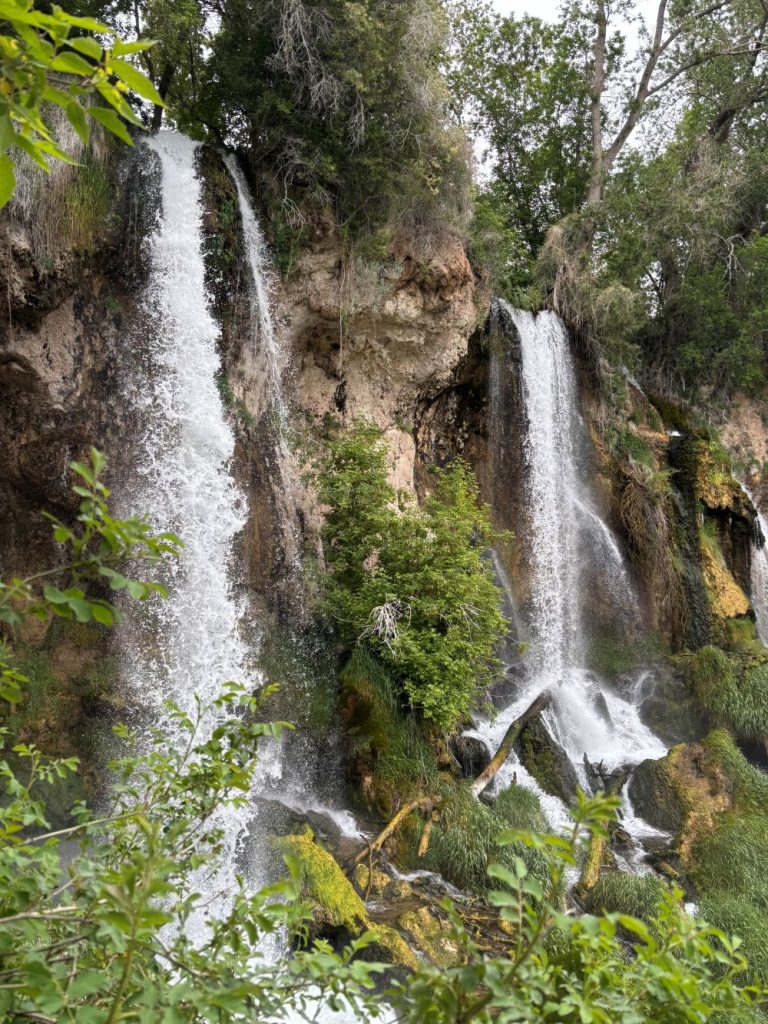
I was very privileged to be a Siegele intern this past summer, where I gained hands-on experience through a wide range of fieldwork opportunities. My work included hiking in Moffat County to survey rare amphibians, tracking the rare Pagosa skyrocket in Pagosa Springs, assessing the health and biodiversity of wetlands across Colorado, and collecting seeds for post-fire restoration in San Isabel National Forest. These projects represent only a portion of the work I completed, all of which allowed me to collaborate with people from diverse backgrounds and career paths while exploring the many possibilities within conservation. Through this experience, I strengthened my field skills and explored parts of Colorado while encountering plant and animal species, that I otherwise would never have seen. I also had the opportunity to share my passion with the public by educating community members about the importance of their role in local conservation efforts.


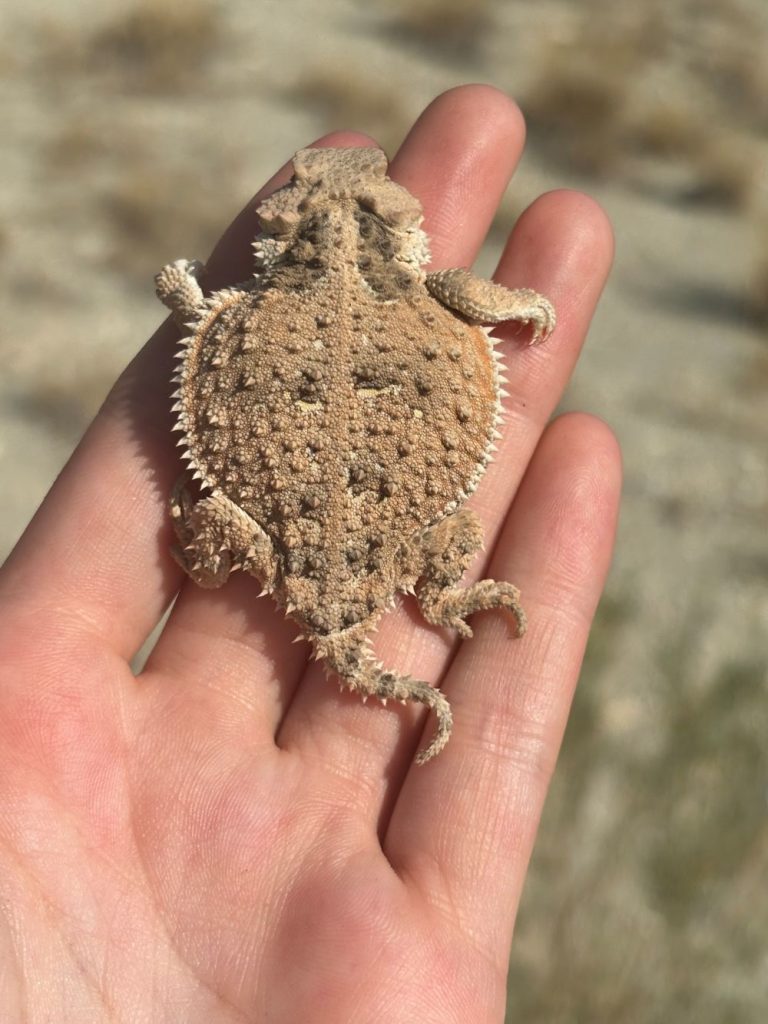
One of my favorite experiences of the summer was participating in the Louisville Bioblitz. Although this project took place in a more urban environment, it was especially meaningful because it combined my passion for conservation with public education and engagement. Throughout the week, I worked alongside professional conservationists to lead volunteer groups in documenting local biodiversity. Together, we explored new landscapes, searched for insects, mollusks, plants, and mammals, and carefully recorded each observation. At the same time, we educated volunteers about the species they encountered and emphasized the importance of detailed population records for effective land management. At the conclusion of the project, we presented our findings at a Louisville open house, giving residents a deeper understanding of biodiversity in their own backyards. Seeing volunteers become increasingly engaged. often discovering new species for the first time and eagerly working to identify them was incredibly rewarding. Witnessing so many people come together around a shared passion for conservation left a lasting impression on me that I will value throughout my career.


This experience is one of the main reasons my time at CNHP was so valuable. Not only did it strengthen my own passion for conservation, but it also gave me hope for the future of wildlife protection as I watched so many dedicated individuals work tirelessly toward a common goal. I am deeply grateful for the opportunity to learn from experts in the field and to benefit from their knowledge and mentorship. This internship has been the most influential experience of my college career, and I am truly thankful for the opportunities it provided.

SHARE
FACEBOOK
TWITTER
LINKEDIN
REDDIT
EMAIL
Filed Under: Colorado Natural Heritage Program, Conservation Data Services, CSU Students, Education, Internships, Natural Heritage Programs, Siegele Conservation Science Internship, Uncategorized

Blog by CNHP Intern, Liam Bauer

About Us

About Us
Conserving Biodiversity
Contact Us
Staff Directory
Careers
Employment
Internship
Volunteer
Meetings
The NatureServe Network
Partners

Our Work

Ecology
Wetlands
Plants
Animals
Climate Change
Education
Invasive Species

Blog Archive

Blog Categories

Web Projects

  • Rare Plant Guide Online
  • Colorado Wetland Info Center
  • COMaP - Colorado Protected Lands
  • Colorado Bat Working Group
  • STReaMS - Endangered Fishes Database

About Us

  • About Us
  • Conserving Biodiversity
  • Contact Us
  • Staff Directory
  • Careers
  • The NatureServe Network
  • Partners
  • Site Map
Warner College of Natural Resources Logo
  • Apply to CSU
  • Equal Opportunity
  • Disclaimer
  • Privacy Statement
  • Search CSU
  • CSU Land Acknowledgement
  • CSU Principles of Community
© 2026 Colorado Natural Heritage Program
Colorado State University Logo
  • About Us
    ▼
    • About Us
      ▼
      • Biennial Report
      • Strategic Plan
    • Conserving Biodiversity
    • Contact Us
    • Staff Directory
    • Careers
      ▼
      • Employment
      • Internship
      • Volunteer
    • Meetings
    • The NatureServe Network
    • Partners
  • Our Work
    ▼
    • Ecology
    • Wetlands
    • Plants
    • Animals
    • Climate Change
    • Education
    • Invasive Species
  • Our Services
    ▼
    • Database Development
    • GIS Analysis & Modeling
    • Mapping
    • Surveys & Inventories
    • Monitoring & Assessment
    • Conservation Planning
  • Our Data
    ▼
    • About CNHP Data
    • Request Data
    • Contribute Data
    • Download Data
    • Tracking Lists
    • PCA Reports
    • Help & Documentation
  • Maps
    ▼
    • CNHP Spatial Layers
    • Wetlands Mapper
    • COMaP
    • Conservation Environmental Review Tool
  • Library
    ▼
    • Reports
    • PCA Reports
    • Tracking Lists
    • Field Guides
      ▼
      • Rare Plant Guide
      • Colorado Wetland Field Guides
  • Blog
  • Donate Now