This summer, I had the great opportunity to work on several projects with the Colorado Natural Heritage Program as a Siegele Conservation Science Intern. This internship was a pivotal introduction to various aspects of the natural resources professional field, and I will carry the skills I gained throughout my career. Not only did I gain valuable experience, I also had the privilege of working alongside such knowledgeable and inspirational people from CNHP.
GRSA Wetland Monitoring
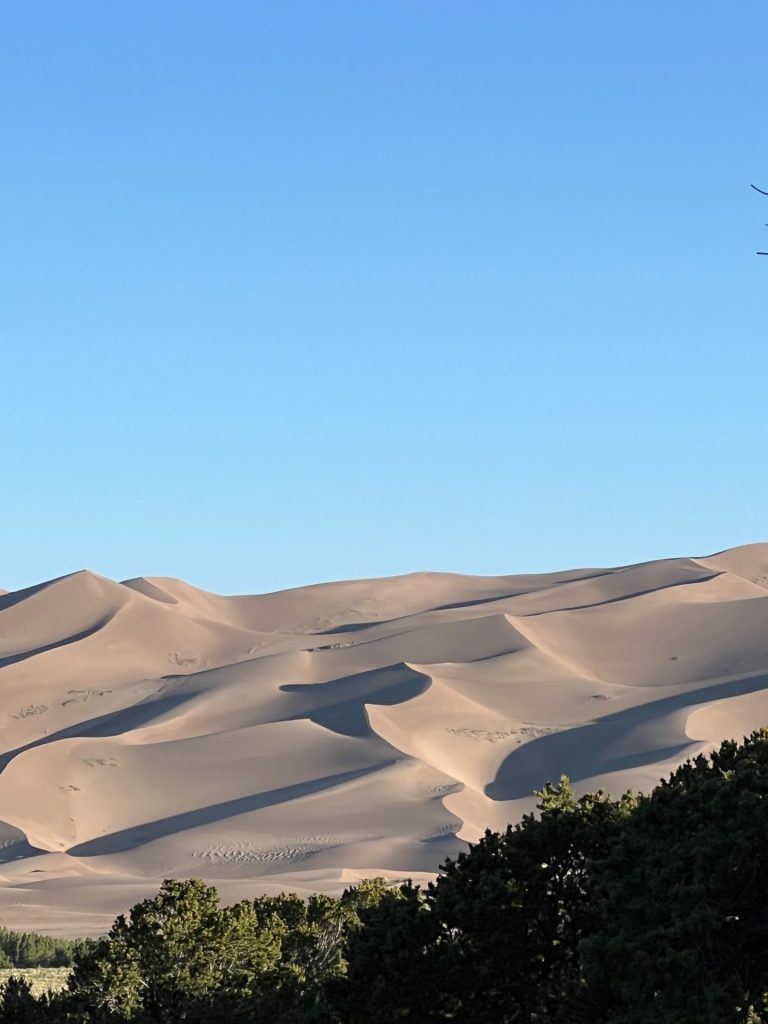
With the backdrop of the towering Sangre de Cristo Mountains and the vast sand dunes, I had the pleasure of spending the majority of the summer conducting wetland monitoring in Great Sand Dunes National Park (GRSA). We were working on a long-term monitoring project for the Ungulate Management Plan with the National Park Service. Each day, we would drive out to the sites on the sandsheet and conduct the protocol for each site. We began by setting up our plots within each site and took site photos for future reference. We monitored the groundwater and water quality within the wetlands by taking well measurements and water quality measurements.
We quantified the impacts of elk and bison on the wetlands by recording evidence of browse on the woody shrubs and amount of fresh and old poop in the plots. We recorded the vegetation species present in each plot, which was a great opportunity to practice plant identification. We also took soil samples at the sites and recorded any human or natural disturbance to the area. As we worked through our sites, we ran into a few challenges including finding or getting to certain sites, replacing broken wells, and driving on the sandsheet. Despite the challenges, working with the CNHP and NPS teams was an incredible experience. Not only did I learn about the technical aspect of field work, but I strengthened my collaboration and teamwork skills in the field.
Gloria Alpine Monitoring
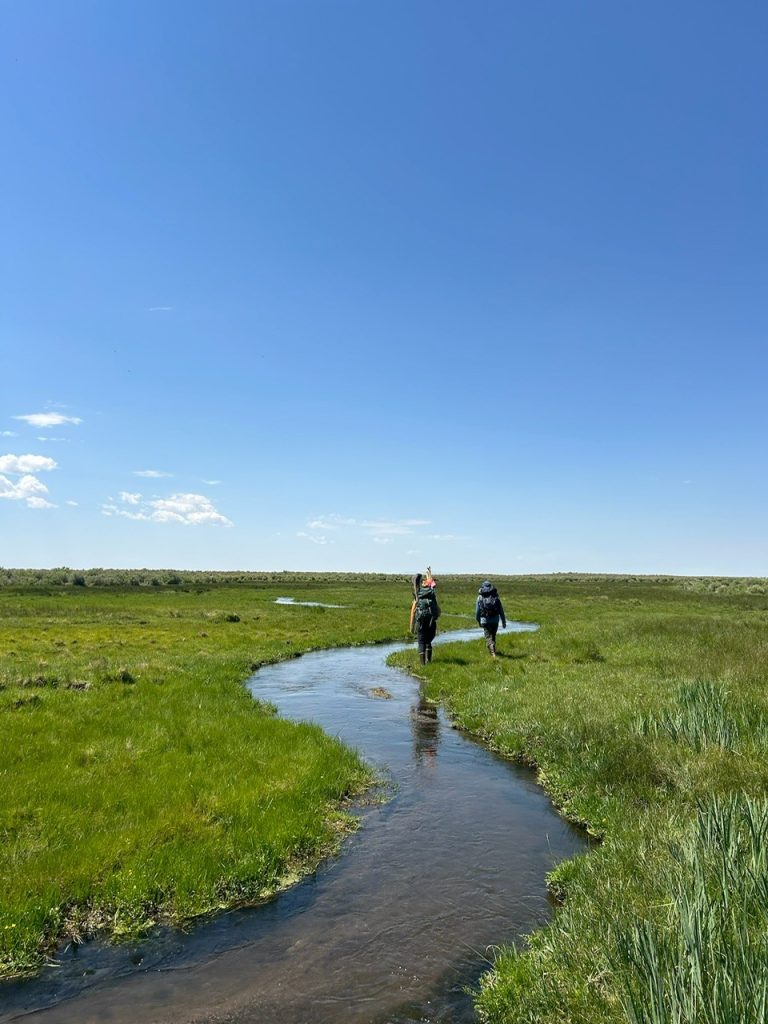
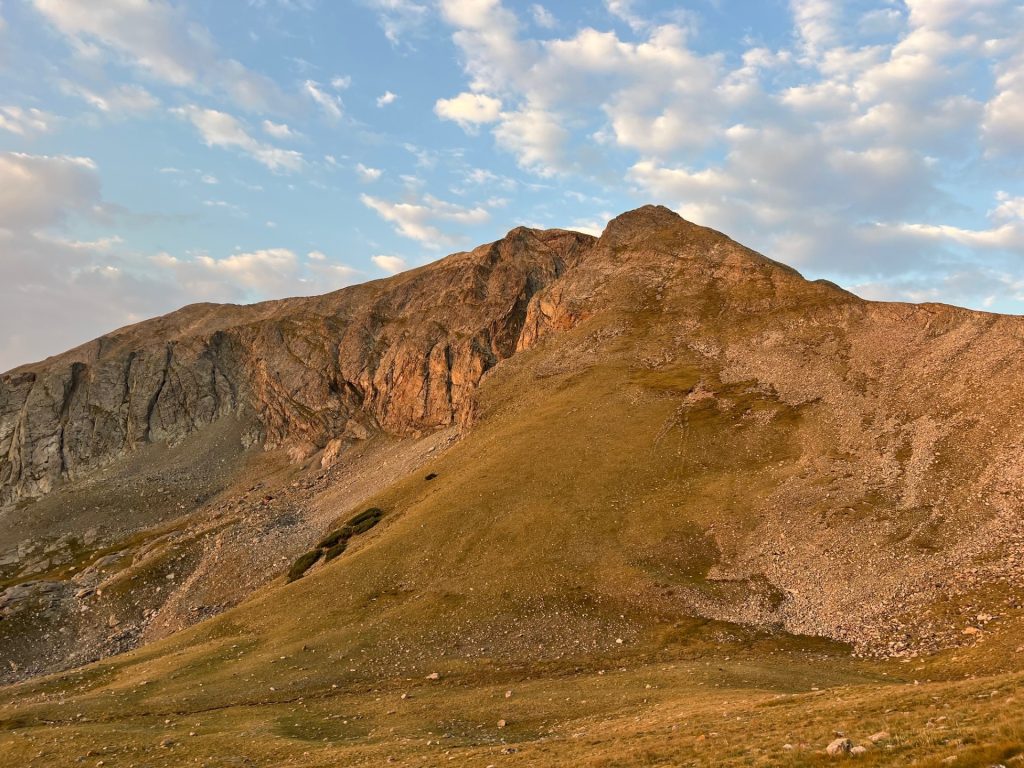
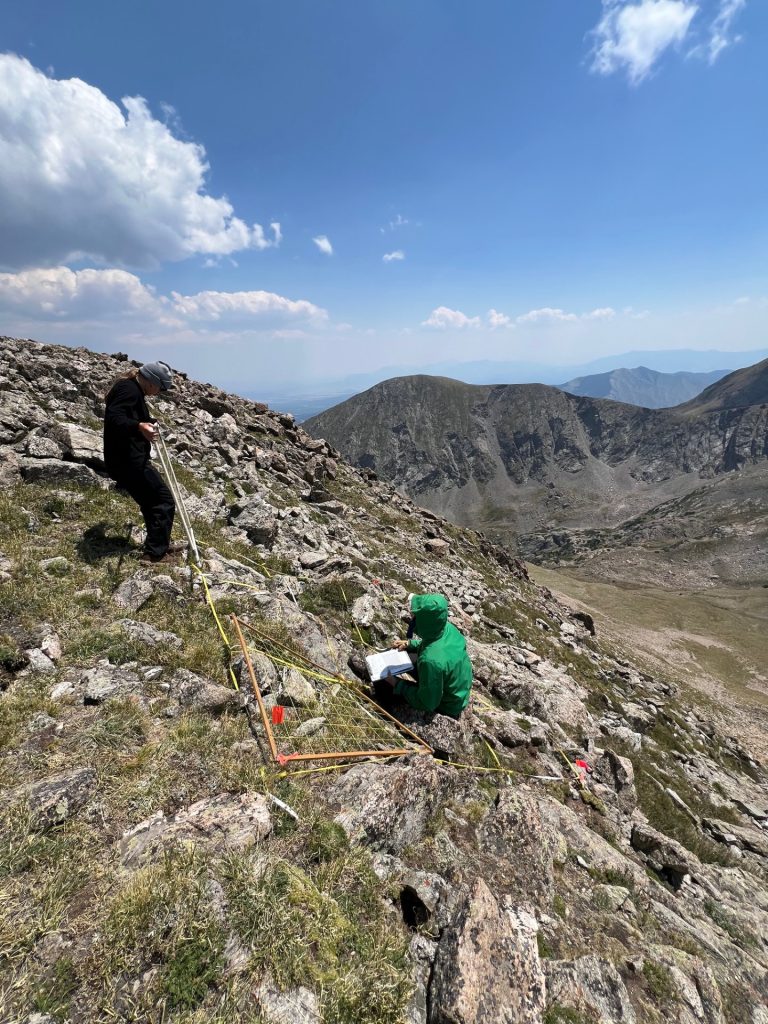
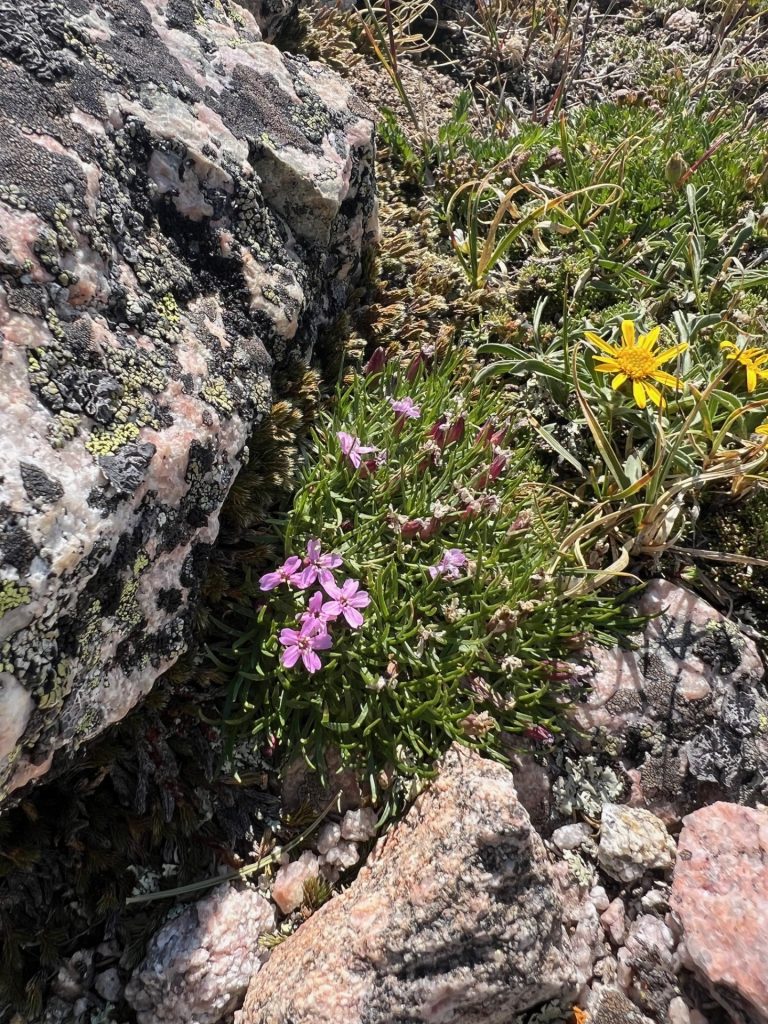
I had the opportunity to conduct alpine monitoring for the Global Observation Research Initiative in Alpine Environments (GLORIA) project. GLORIA is a world-wide program that conducts long-term monitoring in alpine environments aiming to quantify the effects of climate change. I joined the GLORIA crew to sample Medano Peak in Great Sand Dunes National Preserve. Due to the remote nature of Medano Peak, we backpacked to the base of the peak to camp, then summited and sampled the peak the following day. We hiked to the summit of Medano Peak during sunrise and began sampling the peak. Following a complex protocol in an alpine environment was a pivotal experience for me, building my data collection skills. The protocol included vascular plant surveys, soil temperature, and abiotic factors such as bare soil and rock cover. This data is used to observe the effects of climate change on the biodiversity of
alpine ecosystems on a long-term scale
Rifle Ranch/Louisville Bioblitz
Like most Siegele interns, I spent my first week in the field at Powers Ranch in Rifle, Colorado. We learned about the restoration efforts on the ranch and engaged with professionals in various fields in natural resources. We received lectures in botany, entomology, and watershed management, then applied what we learned in the field. This was a great way to reinforce sampling methods for data collection and observation skills that are so important for working in the field. Throughout the week, our activities included learning about conservation easements at Colorado Mountain College, engaging with the complexities of sustainable agriculture at Highwater Farm, and seeing beaver dam analogs in action with Colorado Parks & Wildlife.
At the Louisville Bioblitz, our goal was to build an understanding of the species present in Louisville, Colorado. We explored the open spaces in the town and recorded species on iNaturalist. We documented plant and animal species in order to build a biodiversity baseline in the area.
SNHS Entomology Surveys
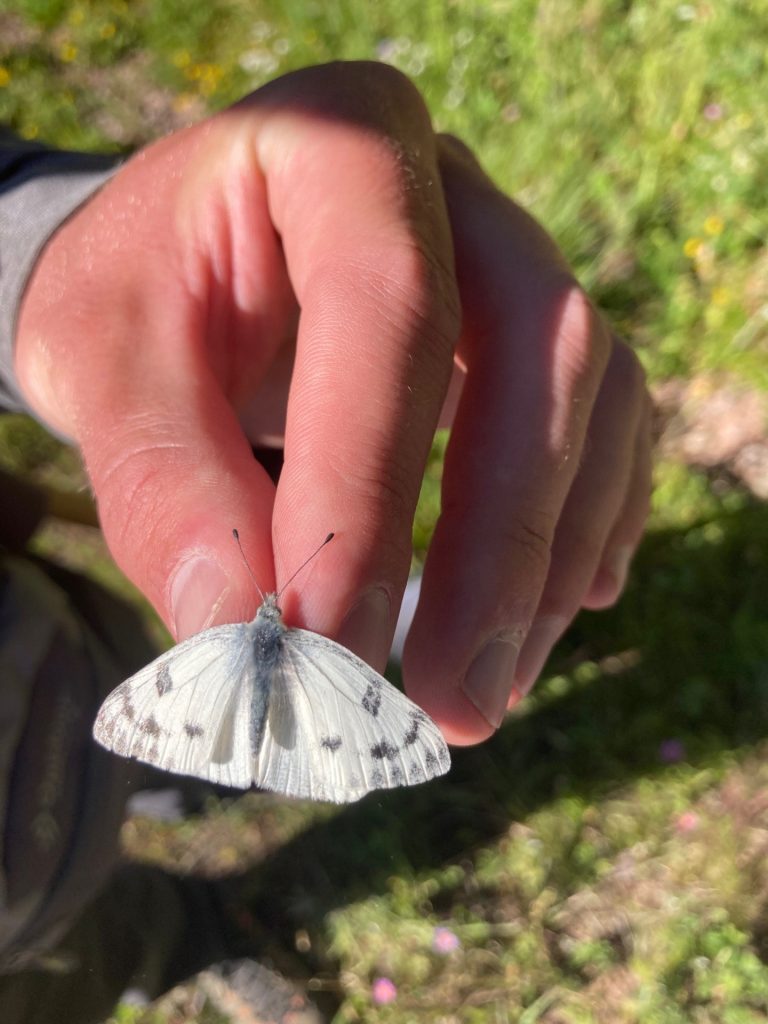
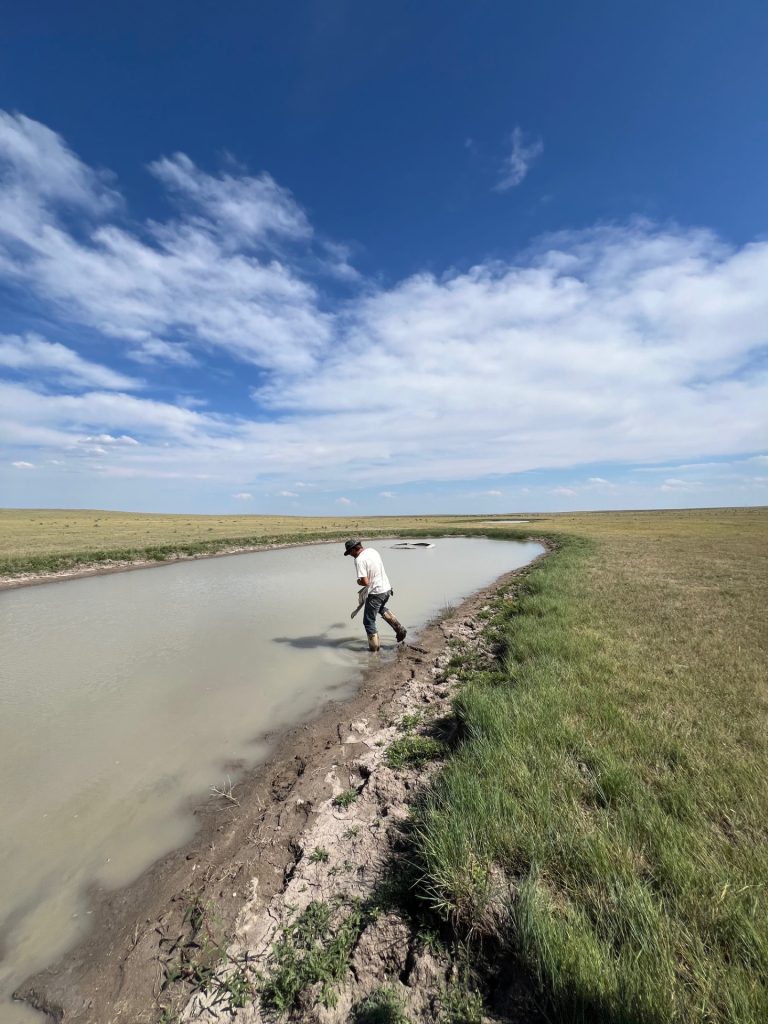
As a part of the Colorado Statewide Natural Heritage Survey (SNHS), I was involved in entomology surveys in Routt County, Colorado. The goal of SNHS is to identify rare and dwindling species across the state of Colorado to drive conservation efforts. Specifically, we collected insects around Rabbit Ears Pass to build an understanding of the insect biodiversity in the county. During this week in the field, we pivoted from a subalpine environment to a grassland environment due to wildfire smoke. We then surveyed aquatic insect and crustacean biodiversity in vernal puddles in the Pawnee National Grassland. I enjoyed learning about insects, as entomology is a field of study that I had not been exposed to in depth before.