Colorado Natural Heritage Program Logo Colorado Natural Heritage Program Logo CNHP
  • About Us
    • About Us
      • Biennial Report
      • Strategic Plan
    • Conserving Biodiversity
    • Contact Us
    • Staff Directory
    • Careers
      • Employment
      • Internship
      • Volunteer
    • Meetings
    • The NatureServe Network
    • Partners
  • Our Work
    • Ecology
    • Wetlands
    • Plants
    • Animals
    • Climate Change
    • Education
    • Invasive Species
  • Our Services
    • Database Development
    • GIS Analysis & Modeling
    • Mapping
    • Surveys & Inventories
    • Monitoring & Assessment
    • Conservation Planning
  • Our Data
    • About CNHP Data
    • Request Data
    • Contribute Data
    • Download Data
    • Tracking Lists
    • PCA Reports
    • Help & Documentation
  • Maps
    • CNHP Spatial Layers
    • Wetlands Mapper
    • COMaP
    • Conservation Environmental Review Tool
  • Library
    • Reports
    • PCA Reports
    • Tracking Lists
    • Field Guides
      • Rare Plant Guide
      • Colorado Wetland Field Guides
  • Blog
  • Donate Now

Blog by CNHP Intern, Hayden Lewis

November 6, 2024

Greetings! My name is Hayden Lewis and I am entering my fourth year as an undergraduate at Colorado State University, studying Wildlife Biology with a minor in Geospatial Information Systems. Over the course of Summer 2024, I was able to work with the Colorado Natural Heritage Program as a Siegele Conservaiton Science Intern.

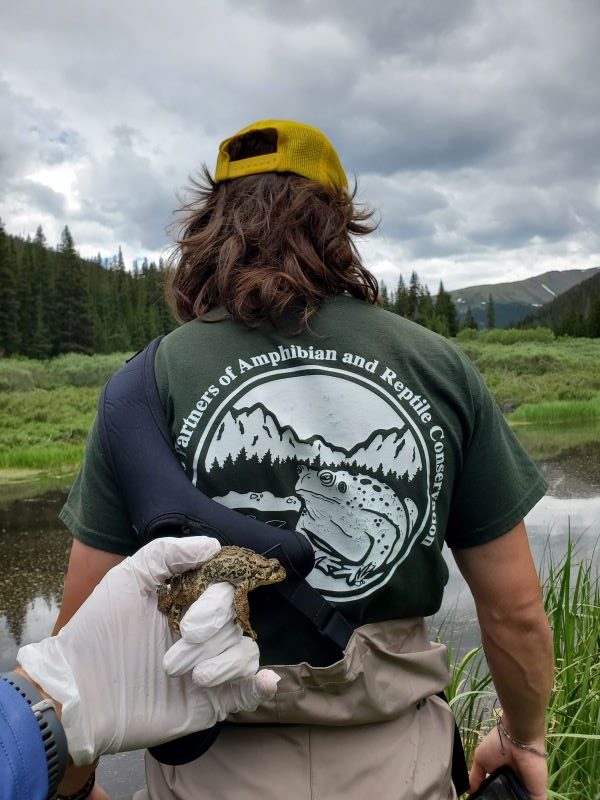
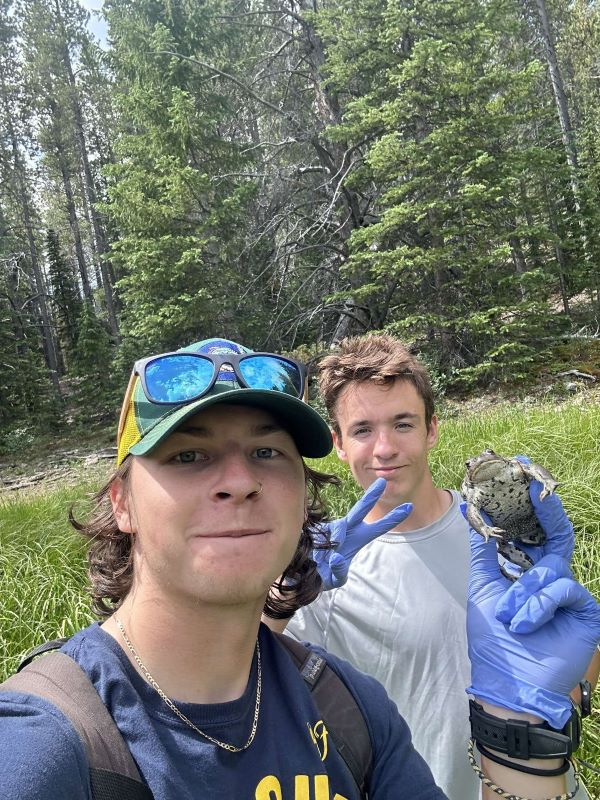
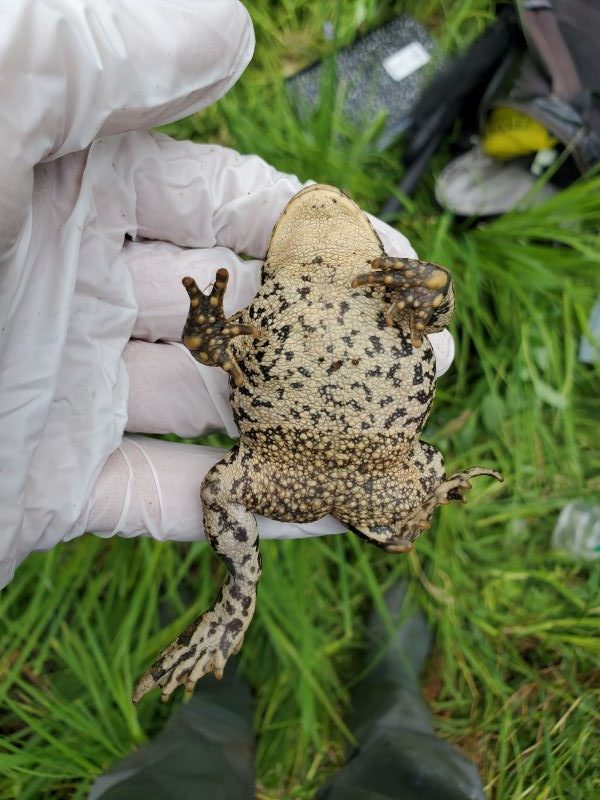
I primarily conducted herpetofauna surveys with CNHP Zoology Technician Tyler Lovato, focusing on S2 and S1 ranked species. Many of my weeks were spent in the mountains, searching for the state-endangered Boreal Toad (Anaxyrus boreas boreas). Boreal Toads are severely threatened by a Chytrid fungus, which is the primary cause for their rapid population declines over the past ~40 years. When we found a toad, typical protocol included marking the GPS coordinates, analyzing habitat, and swabbing for chytrid. We also took data on the toad, including sex, snout-vent length, age class, and recorded a voucher photo of their ventral side. This photo can be used to identify the toads as each one has a different pattern, much like a fingerprint!
Picture by Hayden Lewis


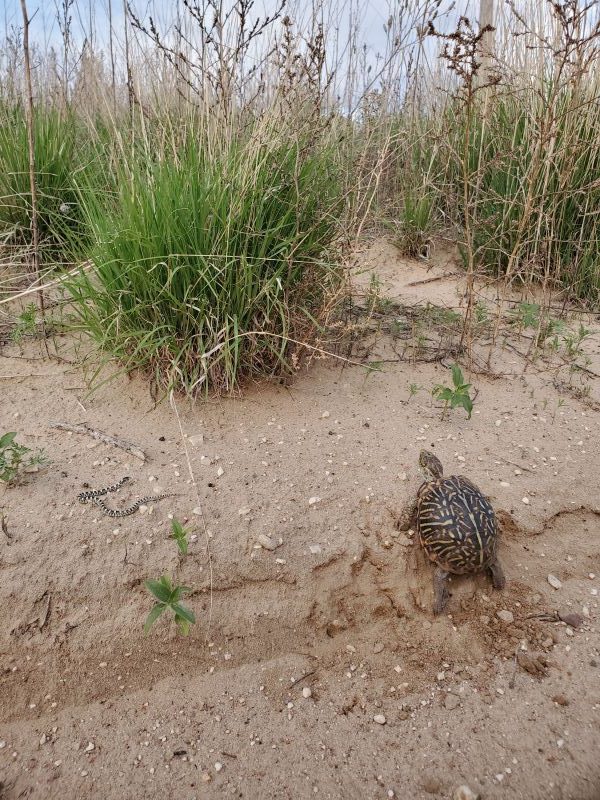
I also spent a lot of time in the southeastern and southwestern regions of Colorado, surveying for a variety of reptiles and amphibians. Some of our bigger target species included the Eastern Hognose, Round-tailed Horned Lizard, and Western Narrow-mouthed Toad. These surveys primarily focused on occurrence data, as we utilized CNHP’s database to verify old records and expand upon the known range for others. Another notable record from this year came in the form of a Prairie Lizard from the Leopold Shack West. This represented the first documented observation from Gilpin County, and will be published in the upcoming edition of the HerpReview journal.
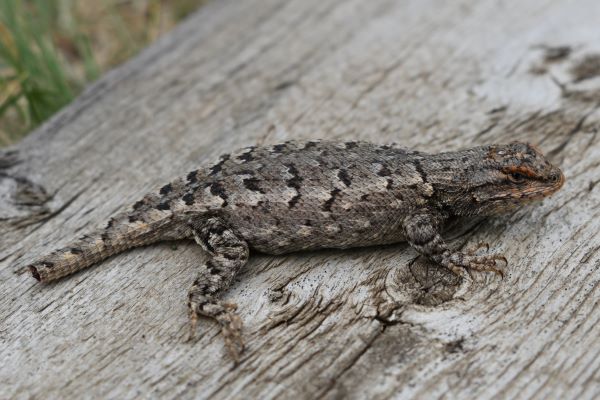
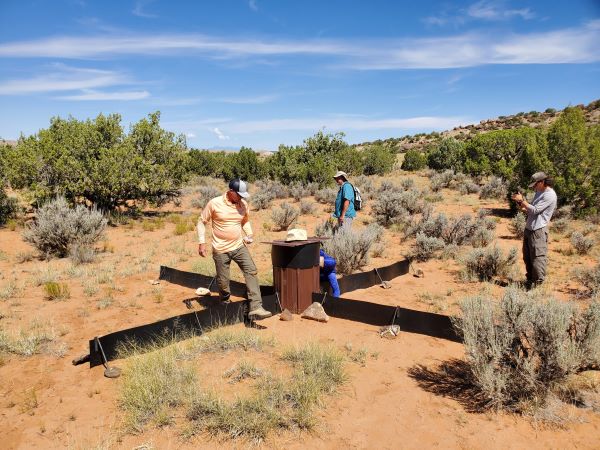
Picture by Hayden Lewis


Overall, the experience I gained while working at CNHP as a Siegele Conservation Science Intern was invaluable. It was great to be able to continue exploring herpetological field work in Colorado and work with a variety of individuals and partners in an effort to expand our knowledge and herpetofauna conservation efforts across Colorado. I’m very grateful to CNHP for offering this extraordinary opportunity and allowing me to continue pursuing my interests in herp conservation!

SHARE
FACEBOOK
TWITTER
LINKEDIN
REDDIT
EMAIL
Filed Under: About CNHP, CNHP, CNHP Interns, Colorado Natural Heritage Program, CSU Students, Education, Natural Heritage Programs, Siegele Conservation Science Internship, Students

CNHP Art Opening
Blog by CNHP Intern, Vi Myers

About Us

About Us
Conserving Biodiversity
Contact Us
Staff Directory
Careers
Employment
Internship
Volunteer
Meetings
The NatureServe Network
Partners

Our Work

Ecology
Wetlands
Plants
Animals
Climate Change
Education
Invasive Species

Blog Archive

Blog Categories

Web Projects

  • Rare Plant Guide Online
  • Colorado Wetland Info Center
  • COMaP - Colorado Protected Lands
  • Colorado Bat Working Group
  • STReaMS - Endangered Fishes Database

About Us

  • About Us
  • Conserving Biodiversity
  • Contact Us
  • Staff Directory
  • Careers
  • The NatureServe Network
  • Partners
  • Site Map
Warner College of Natural Resources Logo
  • Apply to CSU
  • Equal Opportunity
  • Disclaimer
  • Privacy Statement
  • Search CSU
  • CSU Land Acknowledgement
  • CSU Principles of Community
© 2026 Colorado Natural Heritage Program
Colorado State University Logo
  • About Us
    ▼
    • About Us
      ▼
      • Biennial Report
      • Strategic Plan
    • Conserving Biodiversity
    • Contact Us
    • Staff Directory
    • Careers
      ▼
      • Employment
      • Internship
      • Volunteer
    • Meetings
    • The NatureServe Network
    • Partners
  • Our Work
    ▼
    • Ecology
    • Wetlands
    • Plants
    • Animals
    • Climate Change
    • Education
    • Invasive Species
  • Our Services
    ▼
    • Database Development
    • GIS Analysis & Modeling
    • Mapping
    • Surveys & Inventories
    • Monitoring & Assessment
    • Conservation Planning
  • Our Data
    ▼
    • About CNHP Data
    • Request Data
    • Contribute Data
    • Download Data
    • Tracking Lists
    • PCA Reports
    • Help & Documentation
  • Maps
    ▼
    • CNHP Spatial Layers
    • Wetlands Mapper
    • COMaP
    • Conservation Environmental Review Tool
  • Library
    ▼
    • Reports
    • PCA Reports
    • Tracking Lists
    • Field Guides
      ▼
      • Rare Plant Guide
      • Colorado Wetland Field Guides
  • Blog
  • Donate Now