Colorado Natural Heritage Program Logo Colorado Natural Heritage Program Logo CNHP
  • About Us
    • About Us
      • Biennial Report
      • Strategic Plan
    • Conserving Biodiversity
    • Contact Us
    • Staff Directory
    • Careers
      • Employment
      • Internship
      • Volunteer
    • Meetings
    • The NatureServe Network
    • Partners
  • Our Work
    • Ecology
    • Wetlands
    • Plants
    • Animals
    • Climate Change
    • Education
    • Invasive Species
  • Our Services
    • Database Development
    • GIS Analysis & Modeling
    • Mapping
    • Surveys & Inventories
    • Monitoring & Assessment
    • Conservation Planning
  • Our Data
    • About CNHP Data
    • Request Data
    • Contribute Data
    • Download Data
    • Tracking Lists
    • PCA Reports
    • Help & Documentation
  • Maps
    • CNHP Spatial Layers
    • Wetlands Mapper
    • COMaP
    • Conservation Environmental Review Tool
  • Library
    • Reports
    • PCA Reports
    • Tracking Lists
    • Field Guides
      • Rare Plant Guide
      • Colorado Wetland Field Guides
  • Blog
  • Donate Now

Blog by CNHP Intern, Bodie Spinner

September 19, 2023

Hello! My name is Bodie Spinner, I am a 4th year in Ecosystem Science and Sustainability with a minor in Geospatial Information Science. I have always known that I wanted to engage in research and learn about the world. As a kid, I spent most of my time exploring the forest, which led to a deep love of the natural world. I plan to pursue a career that allows me to learn about our world and contribute to conservation. The Seigele Conservation Science Internship has been an extraordinary step on my journey. I was able to experience a wide range of fieldwork with different organizations and ecological systems. It has helped to decide which issues and areas of research interest me. Comparing the differences between government and non-profit institutions, helped me determine which work environment is suited to my needs. I met so many new friends and colleagues across organizations. The best part was I got to contribute to protecting our natural resources all summer!

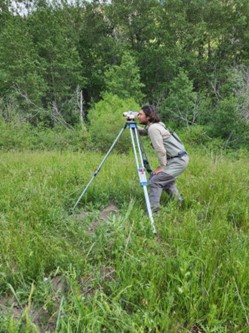

I worked with The Nature Conservancy monitoring aspen outside Breckenridge for 4 days. A fellow intern and I camped on Lake Dillion for the duration of the trip. The first part of the project was monitoring aspen that was planted from seed, a rare and novel study. One of the end goals of this study is to plant aspen around communities to reduce fire risk and increase evacuation time. If aspen can successfully be grown from seed, it would make this solution more feasible. However, fencing is needed due to high browse pressure from Elk and Moose. I really enjoyed this project because it raised a lot of questions about how wolves may contribute to Aspen forest health. The other half of the projected focus is on forest regeneration with slash-and-burn treatments. It was amazing to see how fast lodgepole pines regenerate after disturbance and in some areas, the aspen outcompeted the lodgepole. We also found Golden Corydalis a beautiful yellow flower spread across the treatment area. We learned that it grows well in disturbed areas. One of the best parts of the fieldwork is learning how to read the ecosystems. It helps you form a bond with your environment and gain valuable skills.

Golden Corydalis


One of my mentors, Sarah Marshall, is very skilled in botany. Our field site at badger creek has many salt marsh plants. Sarah was able to tell that the soil was alkaline through what plants were present. However, this field site was impacted by soil compaction from cattle grazing. These effects were visible on the landscape once we learned what to look for. This is why I believe fieldwork is invaluable to anyone pursuing a career in Natural Resources. It allows us to learn skills that cannot be learned in the classroom. You also get the opportunity to learn and see the effects of restoration firsthand.
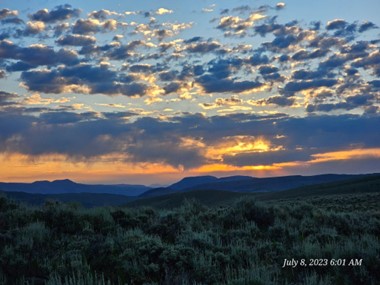
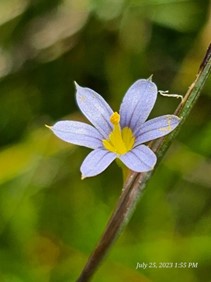

I strongly recommend this internship to anyone who wants to gain field experience and try a wide variety of work. It is a great way to explore new ecological systems and meet others in your field. One of the most valuable benefits of this internship is all the friends I have made at CNHP and other students at CSU!

SHARE
FACEBOOK
TWITTER
LINKEDIN
REDDIT
EMAIL
Filed Under: About CNHP, CNHP Interns, Colorado Natural Heritage Program, Conservation Data Services, Natural Heritage Programs, Siegele Conservation Science Internship, Students

Blog by CNHP Intern, Elias Castaneda
Blog by CNHP Intern, Mica Kimmett

About Us

About Us
Conserving Biodiversity
Contact Us
Staff Directory
Careers
Employment
Internship
Volunteer
Meetings
The NatureServe Network
Partners

Our Work

Ecology
Wetlands
Plants
Animals
Climate Change
Education
Invasive Species

Blog Archive

Blog Categories

Web Projects

  • Rare Plant Guide Online
  • Colorado Wetland Info Center
  • COMaP - Colorado Protected Lands
  • Colorado Bat Working Group
  • STReaMS - Endangered Fishes Database

About Us

  • About Us
  • Conserving Biodiversity
  • Contact Us
  • Staff Directory
  • Careers
  • The NatureServe Network
  • Partners
  • Site Map
Warner College of Natural Resources Logo
  • Apply to CSU
  • Equal Opportunity
  • Disclaimer
  • Privacy Statement
  • Search CSU
  • CSU Land Acknowledgement
  • CSU Principles of Community
© 2025 Colorado Natural Heritage Program
Colorado State University Logo
  • About Us
    ▼
    • About Us
      ▼
      • Biennial Report
      • Strategic Plan
    • Conserving Biodiversity
    • Contact Us
    • Staff Directory
    • Careers
      ▼
      • Employment
      • Internship
      • Volunteer
    • Meetings
    • The NatureServe Network
    • Partners
  • Our Work
    ▼
    • Ecology
    • Wetlands
    • Plants
    • Animals
    • Climate Change
    • Education
    • Invasive Species
  • Our Services
    ▼
    • Database Development
    • GIS Analysis & Modeling
    • Mapping
    • Surveys & Inventories
    • Monitoring & Assessment
    • Conservation Planning
  • Our Data
    ▼
    • About CNHP Data
    • Request Data
    • Contribute Data
    • Download Data
    • Tracking Lists
    • PCA Reports
    • Help & Documentation
  • Maps
    ▼
    • CNHP Spatial Layers
    • Wetlands Mapper
    • COMaP
    • Conservation Environmental Review Tool
  • Library
    ▼
    • Reports
    • PCA Reports
    • Tracking Lists
    • Field Guides
      ▼
      • Rare Plant Guide
      • Colorado Wetland Field Guides
  • Blog
  • Donate Now