Colorado Natural Heritage Program Logo Colorado Natural Heritage Program Logo CNHP
  • About Us
    • About Us
      • Biennial Report
      • Strategic Plan
    • Conserving Biodiversity
    • Contact Us
    • Staff Directory
    • Careers
      • Employment
      • Internship
      • Volunteer
    • Meetings
    • The NatureServe Network
    • Partners
  • Our Work
    • Ecology
    • Wetlands
    • Plants
    • Animals
    • Climate Change
    • Education
    • Invasive Species
  • Our Services
    • Database Development
    • GIS Analysis & Modeling
    • Mapping
    • Surveys & Inventories
    • Monitoring & Assessment
    • Conservation Planning
  • Our Data
    • About CNHP Data
    • Request Data
    • Contribute Data
    • Download Data
    • Tracking Lists
    • PCA Reports
    • Help & Documentation
  • Maps
    • CNHP Spatial Layers
    • Wetlands Mapper
    • COMaP
    • Conservation Environmental Review Tool
  • Library
    • Reports
    • PCA Reports
    • Tracking Lists
    • Field Guides
      • Rare Plant Guide
      • Colorado Wetland Field Guides
  • Blog
  • Donate Now

Boom or Bust: Searching for Ute Ladies-Tresses Orchids

February 3, 2015

Winter in Fort Collins has us reminiscing about the 2014 field season. Last summer we searched for a lovely white orchid called Ute ladies-tresses (Spiranthes diluvialis). This federally threatened orchid prefers moist areas adjacent to creeks and rivers, and is also found in wet meadows. The population size of this species is known to fluctuate wildly. The orchid easily eludes field botanists because it spends most of the year in a dormant state with no above-ground structures or in a vegetative state with no flowers.
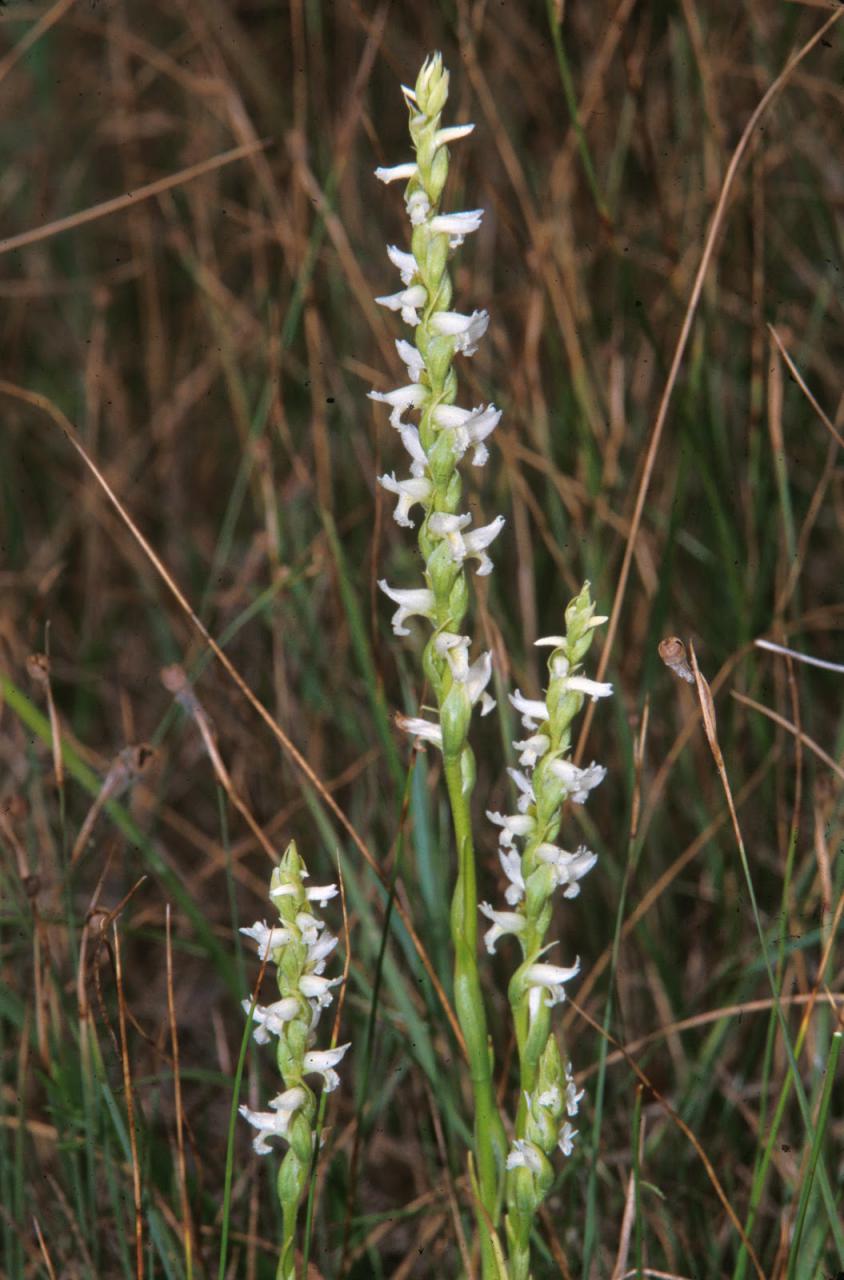
Figure 1. Ute ladies-tresses in full bloom.

We started our search on the West Slope of Colorado, combing 43 miles of the Colorado River from State Bridge to Dotsero. Portions of this section of the river were identified by Karin Decker as potential suitable habitat based on a model she created for the Little Snake BLM Office. CNHP ecologist Dee Malone, along with botanists from the U.S. Fish and Wildlife Service, BLM, and the Colorado Native Plant Society used rafts, kayaks, and duckies to conduct the surveys. Unfortunately, no orchids were found during the trip.
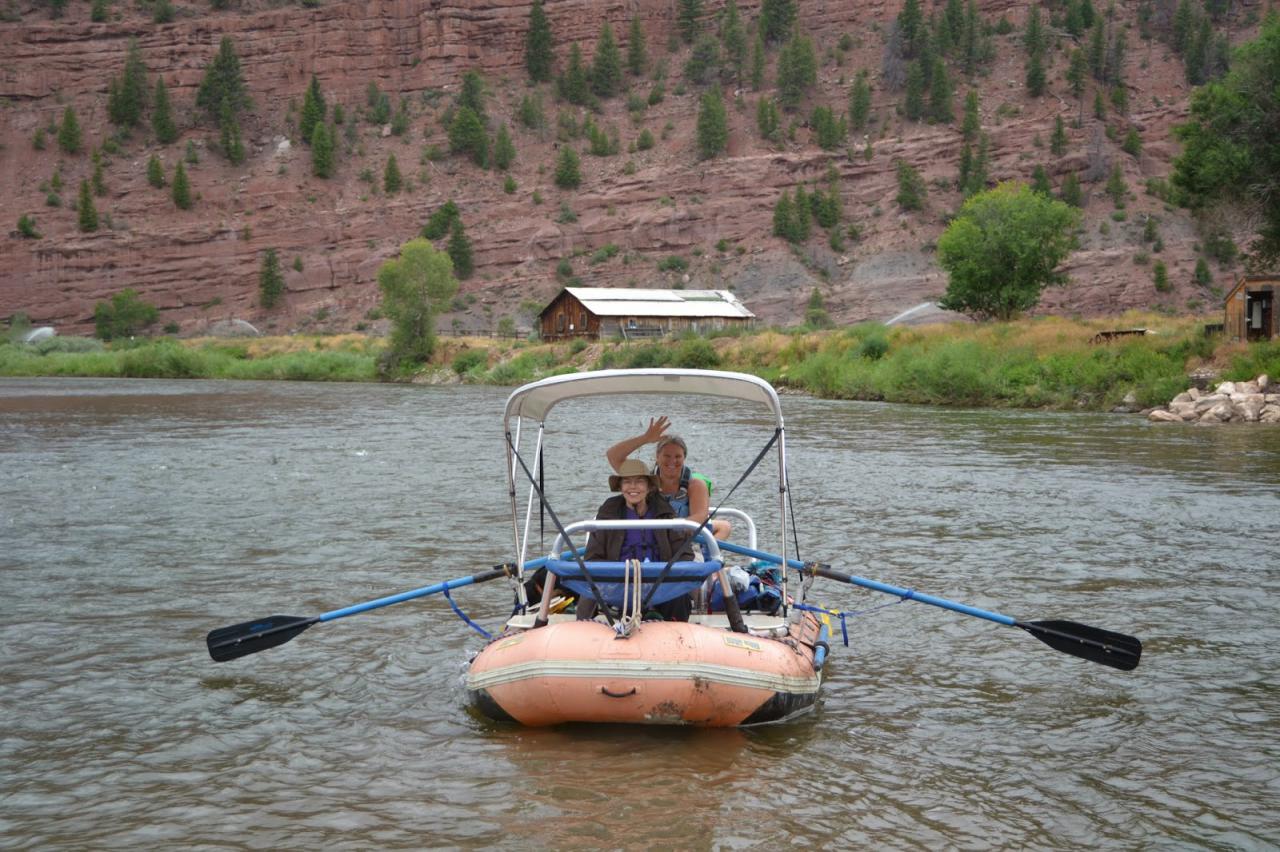
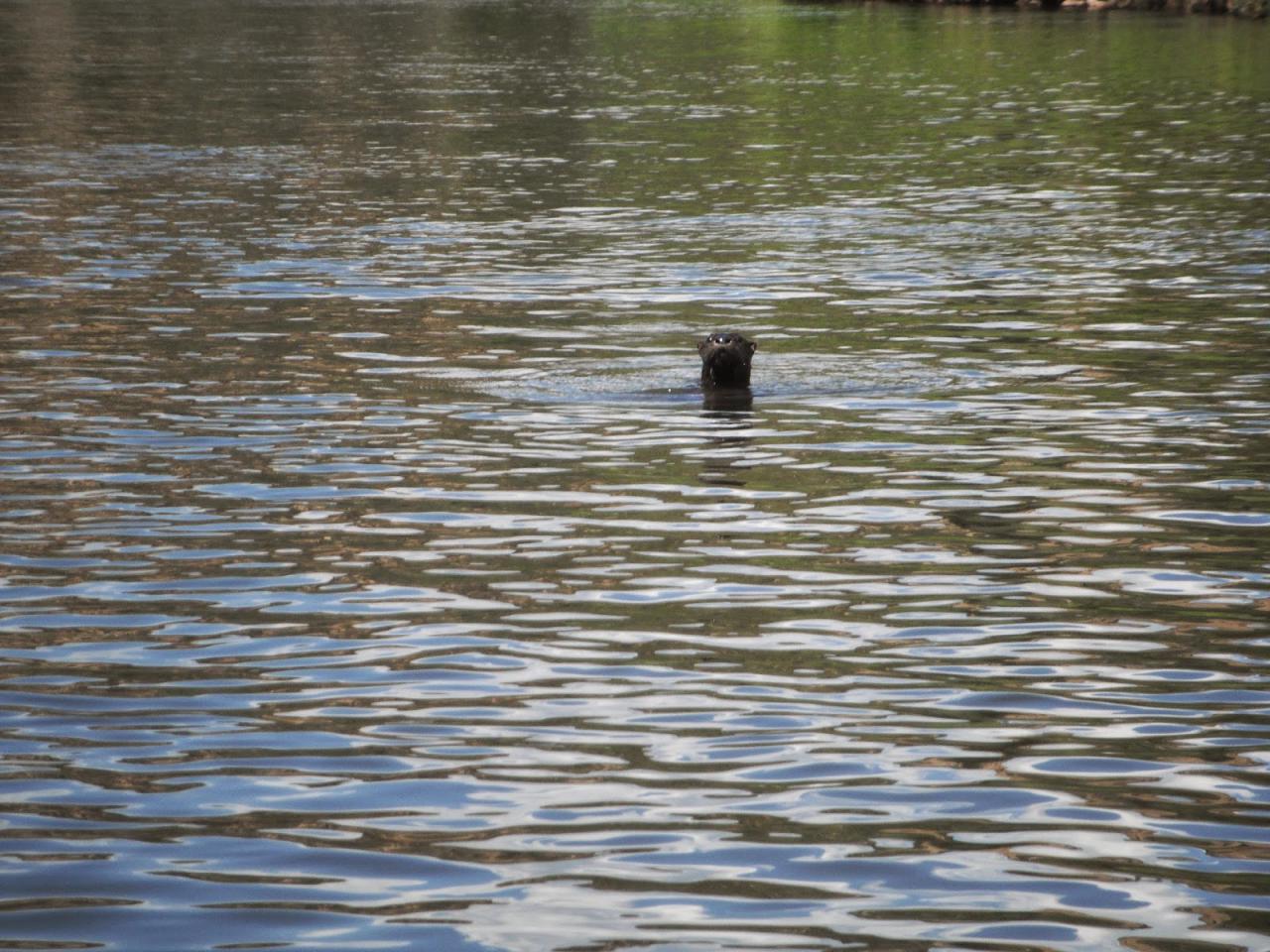
Figure 2 (top). U.S. Fish and Wildlife Service botanists Ellen Mayo (front) and Gina Glenne (back) searched for Ute ladies-tresses along the Colorado River. Figure 3 (bottom). A river otter pokes it head up to check out our flotilla.

Back on the East Slope, Pam Smith visited sites along Clear Creek where hundreds of Ute ladies-tresses had been documented in previous years. We were not able to locate any individuals in our surveys. Jill Handwerk and Bernadette Kuhn also checked a known site just outside Fort Collins with Crystal Strouse, a botanist from the City of Fort Collins Natural Areas. Still, no plants turned up. While 2014 was a bad year for the orchid, we know population sizes exhibit large annual fluctuations. Here’s hoping for a boom year in 2015.
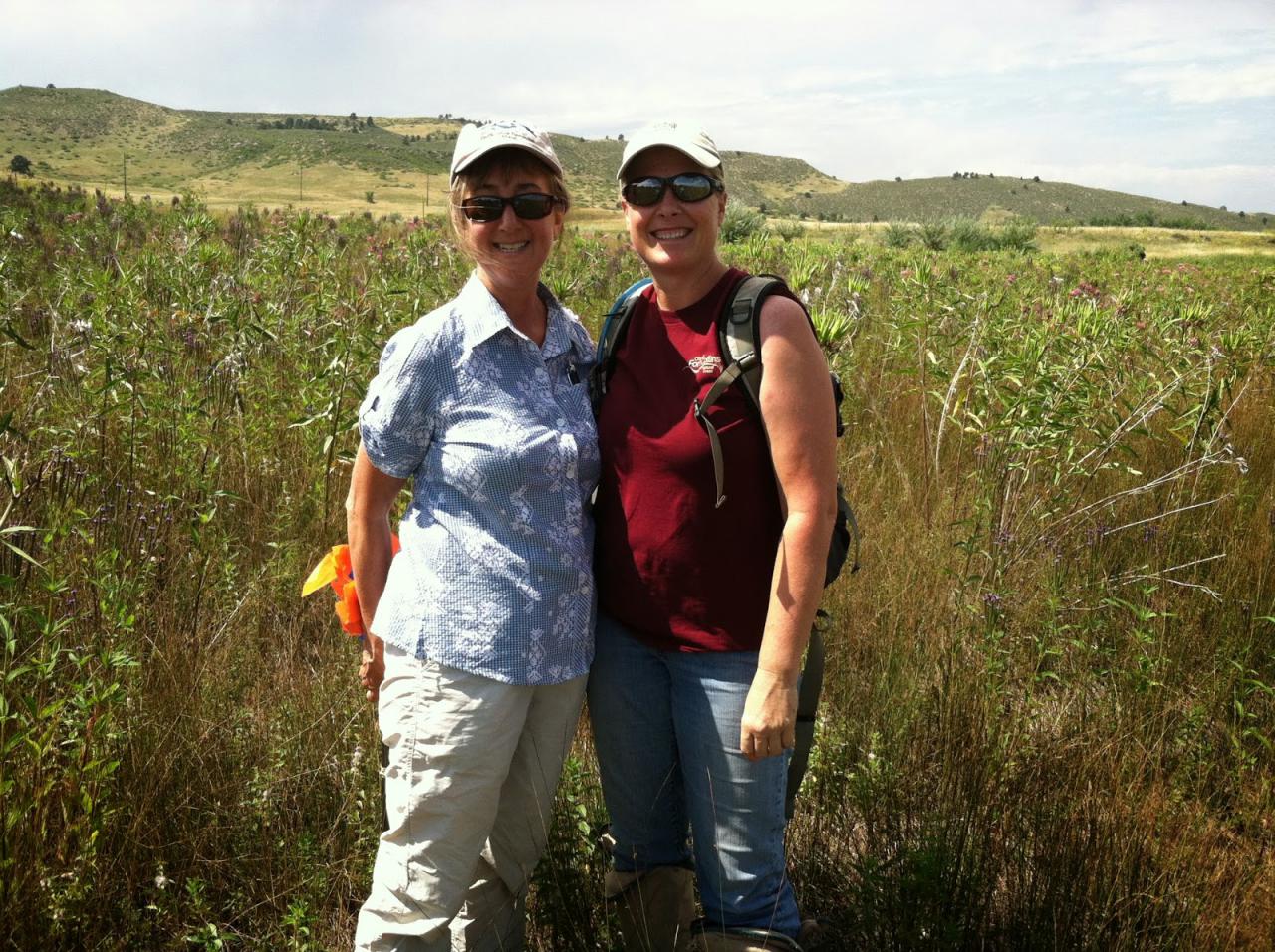
Figure 4. Botanists Jill Handwerk (CNHP) and Crystal Strouse (City of Fort Collins) look for Ute ladies-tresses near Fort Collins. Despite the hopeful number of pin flags we brought, no orchids were found.

SHARE
FACEBOOK
TWITTER
LINKEDIN
REDDIT
EMAIL
Filed Under: Botany, Friends and Partners, Threatened and Endangered Species, Volunteers, Zoology

Job Announcement: Wetland Ecology Field Technician
Protecting Rattlesnakes and Rare Plants at Devil’s Backbone

About Us

About Us
Conserving Biodiversity
Contact Us
Staff Directory
Careers
Employment
Internship
Volunteer
Meetings
The NatureServe Network
Partners

Our Work

Ecology
Wetlands
Plants
Animals
Climate Change
Education
Invasive Species

Blog Archive

Blog Categories

Web Projects

  • Rare Plant Guide Online
  • Colorado Wetland Info Center
  • COMaP - Colorado Protected Lands
  • Colorado Bat Working Group
  • STReaMS - Endangered Fishes Database

About Us

  • About Us
  • Conserving Biodiversity
  • Contact Us
  • Staff Directory
  • Careers
  • The NatureServe Network
  • Partners
  • Site Map
Warner College of Natural Resources Logo
  • Apply to CSU
  • Equal Opportunity
  • Disclaimer
  • Privacy Statement
  • Search CSU
  • CSU Land Acknowledgement
  • CSU Principles of Community
© 2026 Colorado Natural Heritage Program
Colorado State University Logo
  • About Us
    ▼
    • About Us
      ▼
      • Biennial Report
      • Strategic Plan
    • Conserving Biodiversity
    • Contact Us
    • Staff Directory
    • Careers
      ▼
      • Employment
      • Internship
      • Volunteer
    • Meetings
    • The NatureServe Network
    • Partners
  • Our Work
    ▼
    • Ecology
    • Wetlands
    • Plants
    • Animals
    • Climate Change
    • Education
    • Invasive Species
  • Our Services
    ▼
    • Database Development
    • GIS Analysis & Modeling
    • Mapping
    • Surveys & Inventories
    • Monitoring & Assessment
    • Conservation Planning
  • Our Data
    ▼
    • About CNHP Data
    • Request Data
    • Contribute Data
    • Download Data
    • Tracking Lists
    • PCA Reports
    • Help & Documentation
  • Maps
    ▼
    • CNHP Spatial Layers
    • Wetlands Mapper
    • COMaP
    • Conservation Environmental Review Tool
  • Library
    ▼
    • Reports
    • PCA Reports
    • Tracking Lists
    • Field Guides
      ▼
      • Rare Plant Guide
      • Colorado Wetland Field Guides
  • Blog
  • Donate Now
