Colorado Natural Heritage Program Logo Colorado Natural Heritage Program Logo CNHP
  • About Us
    • About Us
      • Biennial Report
      • Strategic Plan
    • Conserving Biodiversity
    • Contact Us
    • Staff Directory
    • Careers
      • Employment
      • Internship
      • Volunteer
    • Meetings
    • The NatureServe Network
    • Partners
  • Our Work
    • Ecology
    • Wetlands
    • Plants
    • Animals
    • Climate Change
    • Education
    • Invasive Species
  • Our Services
    • Database Development
    • GIS Analysis & Modeling
    • Mapping
    • Surveys & Inventories
    • Monitoring & Assessment
    • Conservation Planning
  • Our Data
    • About CNHP Data
    • Request Data
    • Contribute Data
    • Download Data
    • Tracking Lists
    • PCA Reports
    • Help & Documentation
  • Maps
    • CNHP Spatial Layers
    • Wetlands Mapper
    • COMaP
    • Conservation Environmental Review Tool
  • Library
    • Reports
    • PCA Reports
    • Tracking Lists
    • Field Guides
      • Rare Plant Guide
      • Colorado Wetland Field Guides
  • Blog
  • Donate Now

Conserving Roadside Populations of Colorado’s Globally Imperiled Plants

November 20, 2014

At least 22 globally imperiled plants found along roadside areas in Colorado are at risk of
extinction. One of the biggest conservation issues for Colorado rare native plants is the lack of awareness of their existence and status. CNHP partnered with the Colorado Department of Transportation (CDOT) and Colorado Natural Areas Program (CNAP) for a pilot project to explore how road maintenance activities might proceed while minimizing impacts to rare plants.  Avoiding or minimizing impacts to these species during road maintenance activities may help to effectively conserve their habitat.
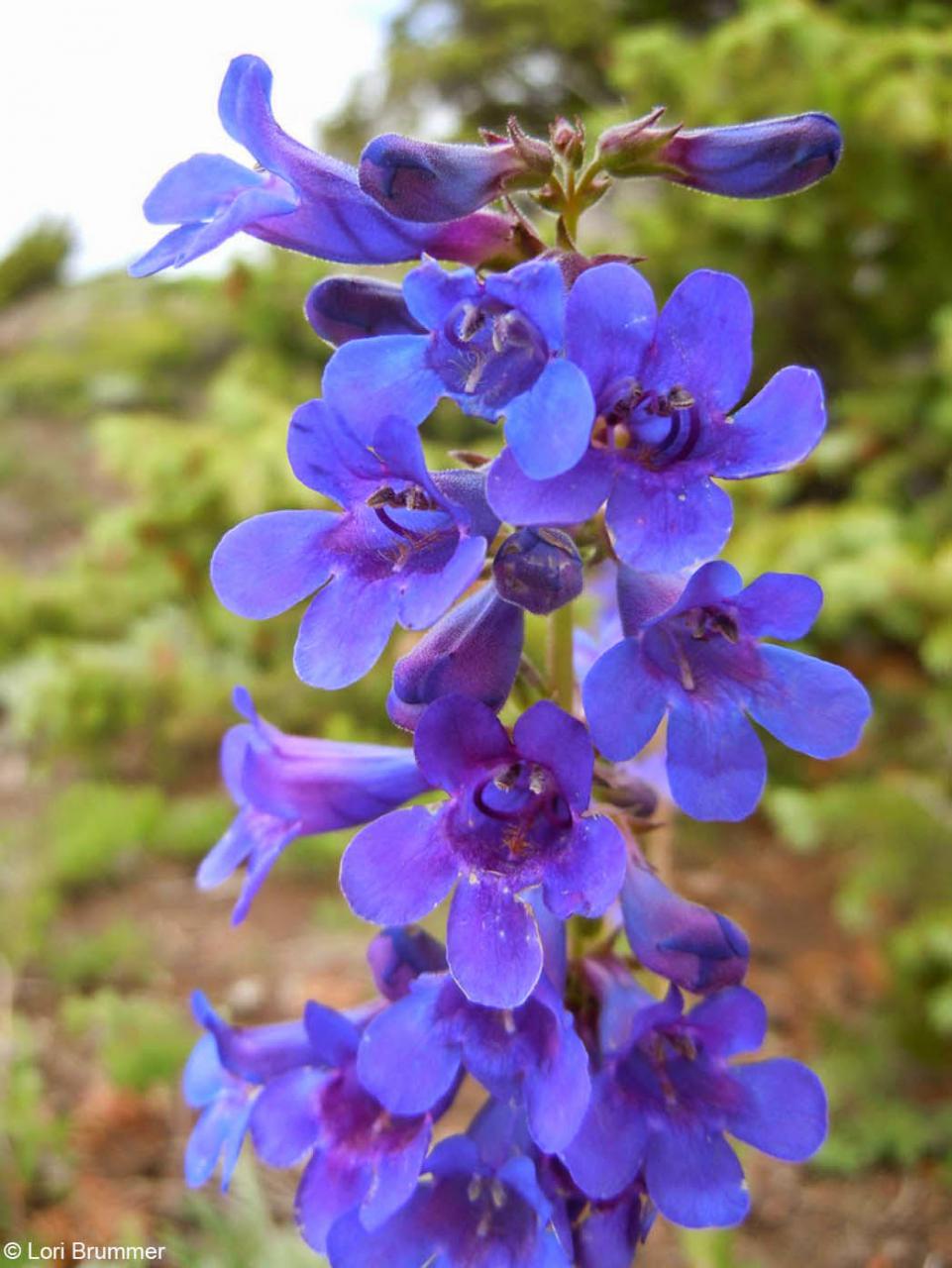
Grand Mesa penstemon (Penstemon mensarum) photo by Lori Brummer

To learn more about this pilot project, take a look at the final report.

The species-specific Best Management Practices (BMPs) which complement this document are intended to help increase the awareness of these species for anyone involved in road maintenance activities. The desired outcome of this report and the associated recommended BMPs is to significantly reduce the impacts of road maintenance activities to ten globally imperiled plants on federal, state, and/or private land, while still addressing roadside safety concerns.
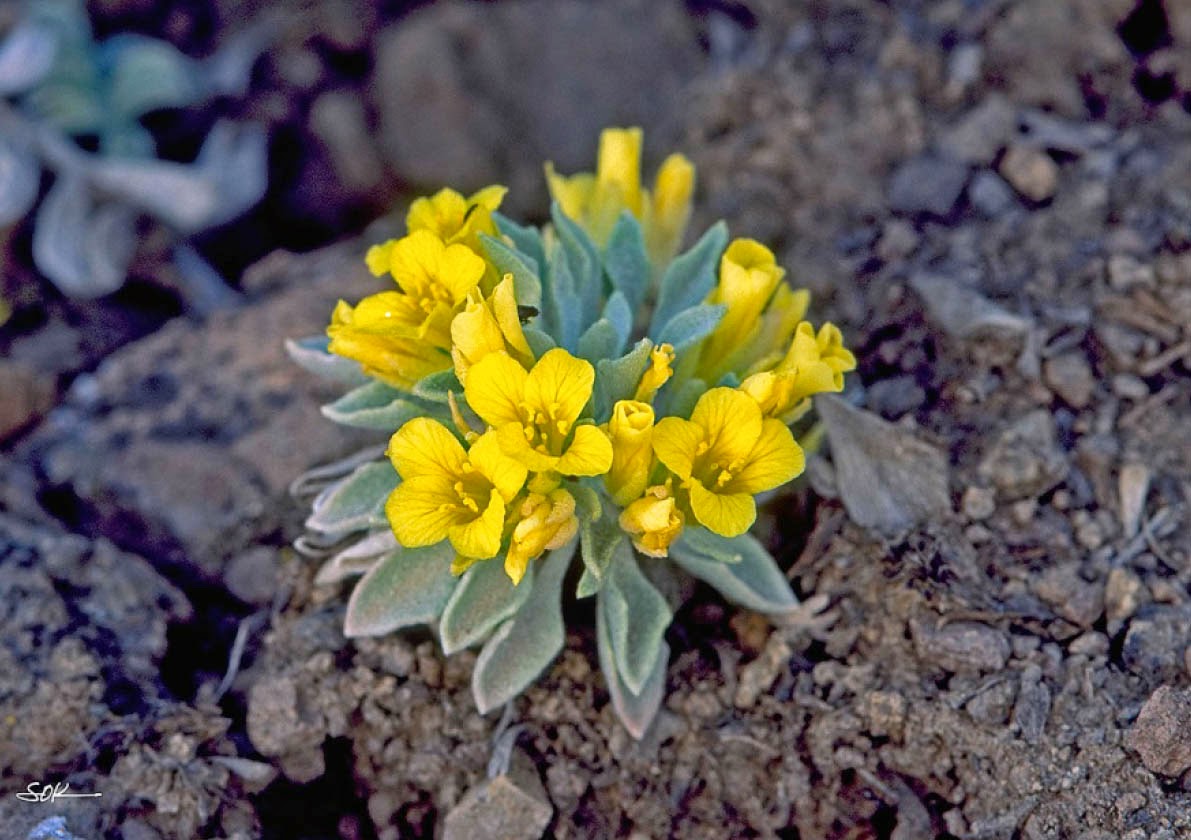
Rollins’ twinpod (Physaria rollinsii) photo by Steve O’Kane

Species-specific Best Management Practices (BMPs):

BMPs for Arkansas Canyon stickleaf (Nuttallia densa)
BMPs for Bell’s twinpod (Physaria bellii)
BMPs for Brandegee wild buckwheat (Eriogonum brandegeei)
BMPs for Colorado green gentian (Frasera coloradensis)
BMPs for DeBeque milkvetch (Astragalus debequaeus)
BMPs for Good-neighbor bladderpod (Physaria vicina)
BMPs for Grand Mesa penstemon (Penstemon mensarum)
BMPs for Gunnison milkvetch (Astragalus anisus)
BMPs for Rabbit Ears gilia (Ipomopsis aggregata ssp. weberi)
BMPs for Rollins’ twinpod (Physaria rollinsii)

SHARE
FACEBOOK
TWITTER
LINKEDIN
REDDIT
EMAIL
Filed Under: Botany

Hops blue butterfly talk at the High County Lepidopterists’ Conference
Celebrating National Bat Week in Steamboat Springs

About Us

About Us
Conserving Biodiversity
Contact Us
Staff Directory
Careers
Employment
Internship
Volunteer
Meetings
The NatureServe Network
Partners

Our Work

Ecology
Wetlands
Plants
Animals
Climate Change
Education
Invasive Species

Blog Archive

Blog Categories

Web Projects

  • Rare Plant Guide Online
  • Colorado Wetland Info Center
  • COMaP - Colorado Protected Lands
  • Colorado Bat Working Group
  • STReaMS - Endangered Fishes Database

About Us

  • About Us
  • Conserving Biodiversity
  • Contact Us
  • Staff Directory
  • Careers
  • The NatureServe Network
  • Partners
  • Site Map
Warner College of Natural Resources Logo
  • Apply to CSU
  • Equal Opportunity
  • Disclaimer
  • Privacy Statement
  • Search CSU
  • CSU Land Acknowledgement
  • CSU Principles of Community
© 2026 Colorado Natural Heritage Program
Colorado State University Logo
  • About Us
    ▼
    • About Us
      ▼
      • Biennial Report
      • Strategic Plan
    • Conserving Biodiversity
    • Contact Us
    • Staff Directory
    • Careers
      ▼
      • Employment
      • Internship
      • Volunteer
    • Meetings
    • The NatureServe Network
    • Partners
  • Our Work
    ▼
    • Ecology
    • Wetlands
    • Plants
    • Animals
    • Climate Change
    • Education
    • Invasive Species
  • Our Services
    ▼
    • Database Development
    • GIS Analysis & Modeling
    • Mapping
    • Surveys & Inventories
    • Monitoring & Assessment
    • Conservation Planning
  • Our Data
    ▼
    • About CNHP Data
    • Request Data
    • Contribute Data
    • Download Data
    • Tracking Lists
    • PCA Reports
    • Help & Documentation
  • Maps
    ▼
    • CNHP Spatial Layers
    • Wetlands Mapper
    • COMaP
    • Conservation Environmental Review Tool
  • Library
    ▼
    • Reports
    • PCA Reports
    • Tracking Lists
    • Field Guides
      ▼
      • Rare Plant Guide
      • Colorado Wetland Field Guides
  • Blog
  • Donate Now