Colorado Natural Heritage Program Logo Colorado Natural Heritage Program Logo CNHP
  • About Us
    • About Us
      • Biennial Report
    • Conserving Biodiversity
    • Events
    • Careers
    • Internships
    • Volunteer
    • The NatureServe Network
    • Partners
    • Staff Directory
  • Our Work
    • Statewide Natural Heritage Survey
    • Ecology
    • Wetlands
    • Plants
    • Animals
    • Climate Change
    • Education
    • Invasive Species
  • Our Services
    • Database Development
    • GIS Analysis & Modeling
    • Mapping
    • Surveys & Inventories
    • Monitoring & Assessment
    • Conservation Planning
    • Private Lands Conservation
  • Data
    • About CNHP Data
    • Tracking Lists
    • Request Data
    • Contribute Data
    • Download Data
    • Potential Conservation Areas
    • Help & Documentation
  • Maps
    • (CODEX) Conservation Data Explorer
    • CNHP Spatial Layers
    • Wetlands Mapper
    • COMaP
  • Library
    • Reports
    • Tracking Lists
    • Potential Conservation Areas
    • Field Guides
      • Rare Plant Guide
      • Colorado Wetland Field Guides
  • Blog
  • Use CODEX Conservation Data Explorer

  • Donate Now

The Siegele Conservation Science Internship Program

About

The Siegele Conservation Science Internship Program is an opportunity for CSU undergraduate students to work alongside conservation professionals and practitioners to gain experience in the many aspects of field sciences that support natural resources and biodiversity conservation.

Each summer, approximately 15 interns receive paid, professional training from CNHP biologists and participate in field-oriented conservation research projects across Colorado. Since 2016, interns have worked with CNHP staff as they conduct projects such as Bioblitzes, county biological surveys, wetland condition assessments, rare plant and wildlife surveys, and/or vegetation monitoring.

Interns learn the history, methods, and mission of CNHP and the NatureServe Network. They also develop skills in plant identification, vegetation sampling, field survey techniques, monitoring protocols, biotic and abiotic data collection, navigation, GIS, data management and analysis, and science communication.

CNHP strives to provide a valuable, hands-on learning experience. All interns have an opportunity to explore potential career paths and accomplish meaningful, conservation-focused work.

Students who have completed the program have gone on to work for the National Park Service, Bureau of Land Management, Colorado Parks and Wildlife, Bird Conservancy of the Rockies, the Colorado Natural Heritage Program and more!

Students from
all communities are encouraged to apply!


Requirements
  • Must be available May 26-August 21
  • Open to all CSU undergraduates who are matriculated students during summer 2026 and interested in pursuing a career in natural resources (you do not need to be enrolled in summer credits)
  • Have an expressed passion for conservation science and field research
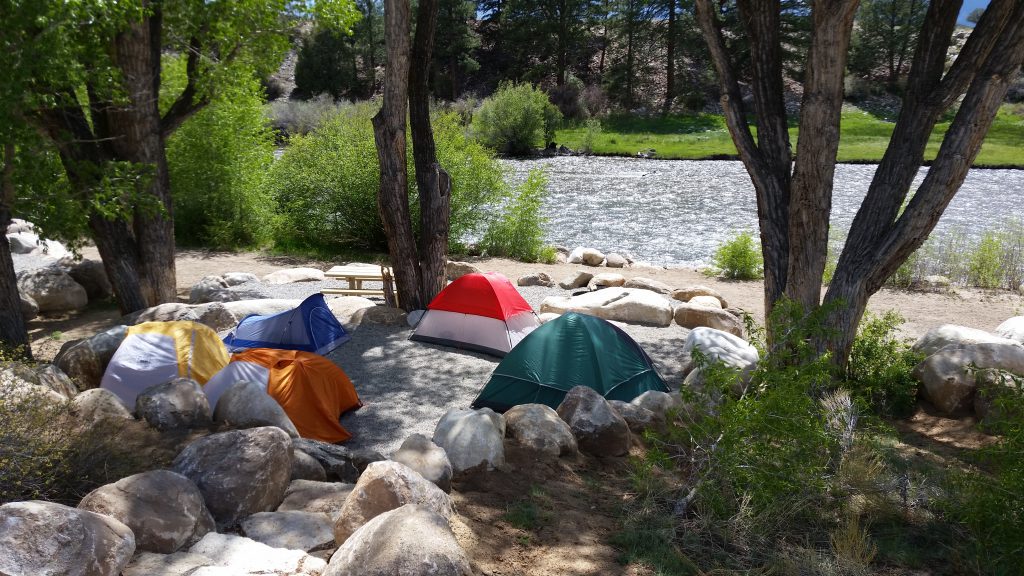
  • Interns may work on projects that require long hikes in variable weather conditions, travel across the state, and overnight camping. However, no previous camping or outdoor skills are required.
  • Upon completion, interns will provide a final presentation and blog story about their summer experience
Benefits
  • Earn $16.50/hour + travel expenses
  • Learn about rare species and habitats
  • Provide critical field support
  • Gain field experience and work on projects throughout Colorado
  • Develop applied conservation skills
  • Build your resume and grow your network
  • Obtain Wilderness First Aid certification
  • Earn academic credit, if needed, by working with your CSU academic advisor
  • Receive internship credit for ESS, FWCB, and HDNR majors or undergraduate Honors Thesis


Photo by Lauren Hughes
Photo by C. G. Olds
Photo by C. G. Olds
Photo by C. G. Olds
Photo by C. G. Olds
Photo by Emma Balunek
Photo by Jessica Smith
Photo by Helen Bittner
Photo by C. G. Olds
Photo by C. G. Olds
Photo by Tyler Stratman
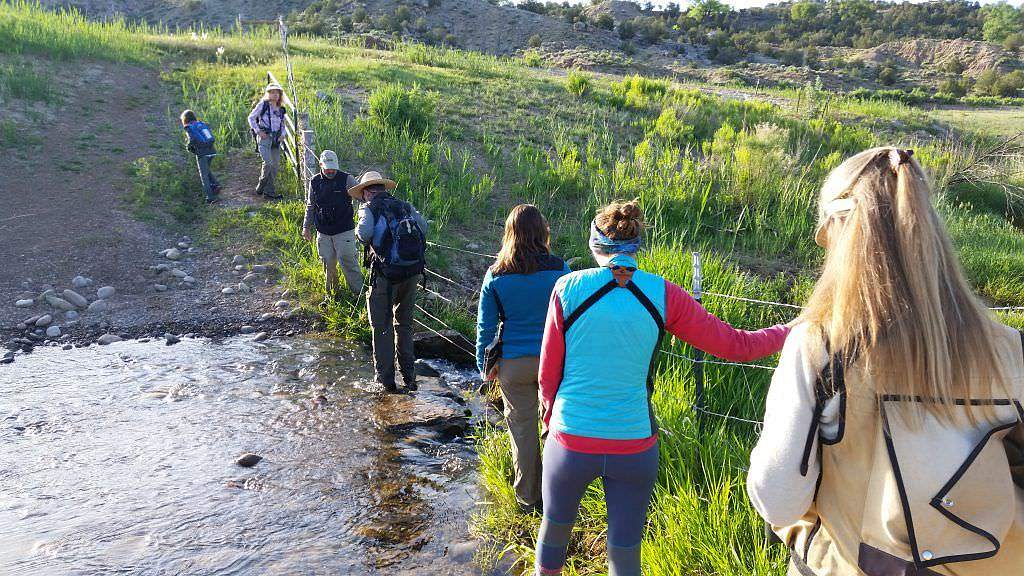
A stream crossing.
A stream crossing.
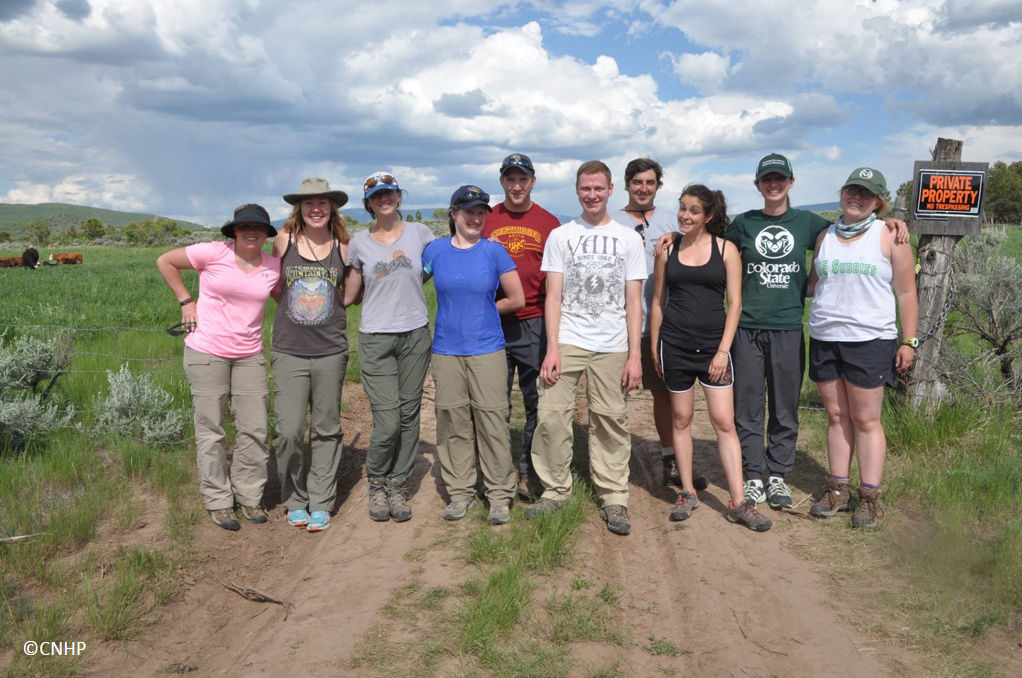
2016 Siegele CNHP Interns
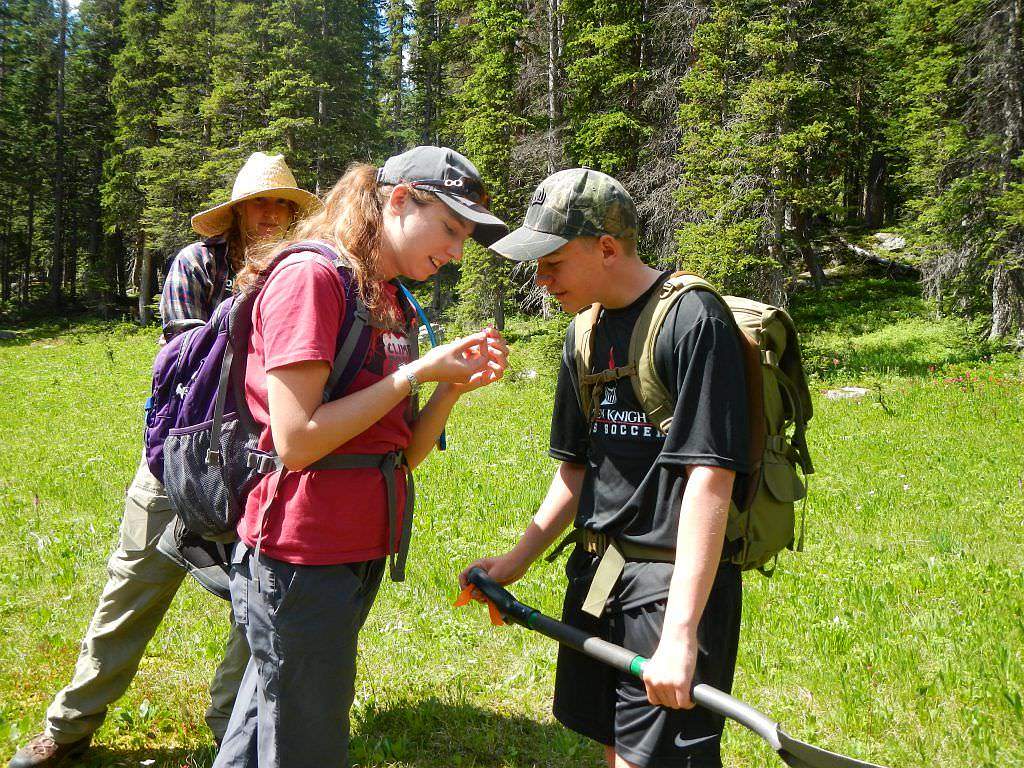
Siegele Interns gain valuable field experience.
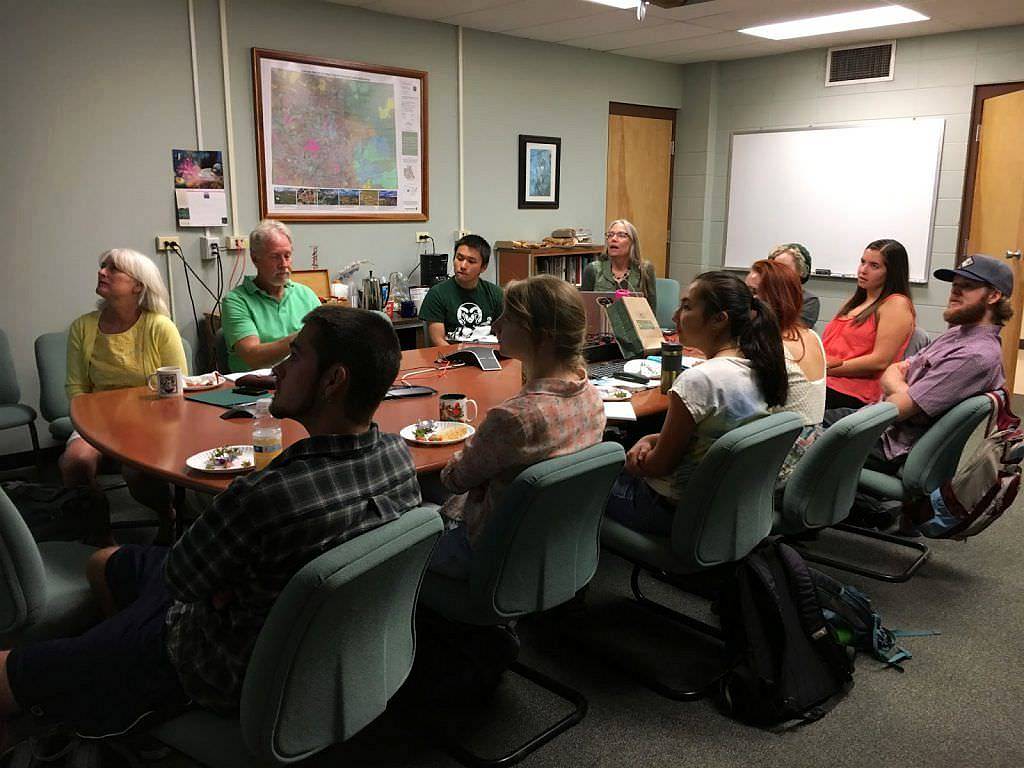
The interns and volunteers meeting Bill and Diane Siegele.
The interns and volunteers meet Bill and Diane Siegele and learn about the projects they'll be working on.
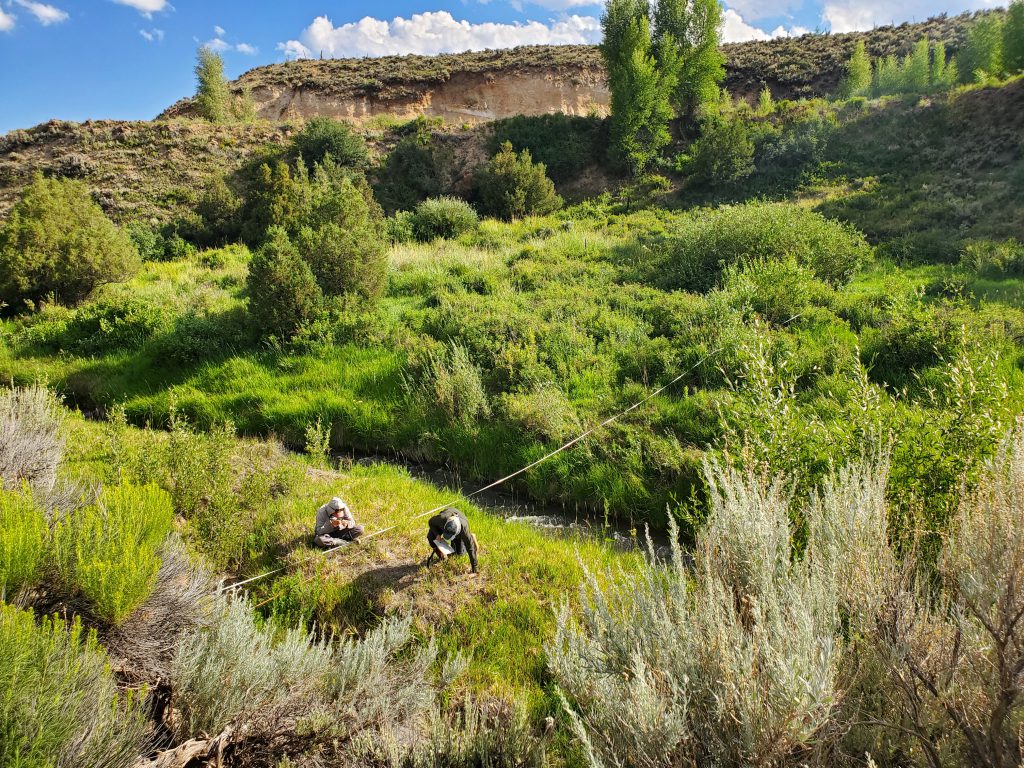
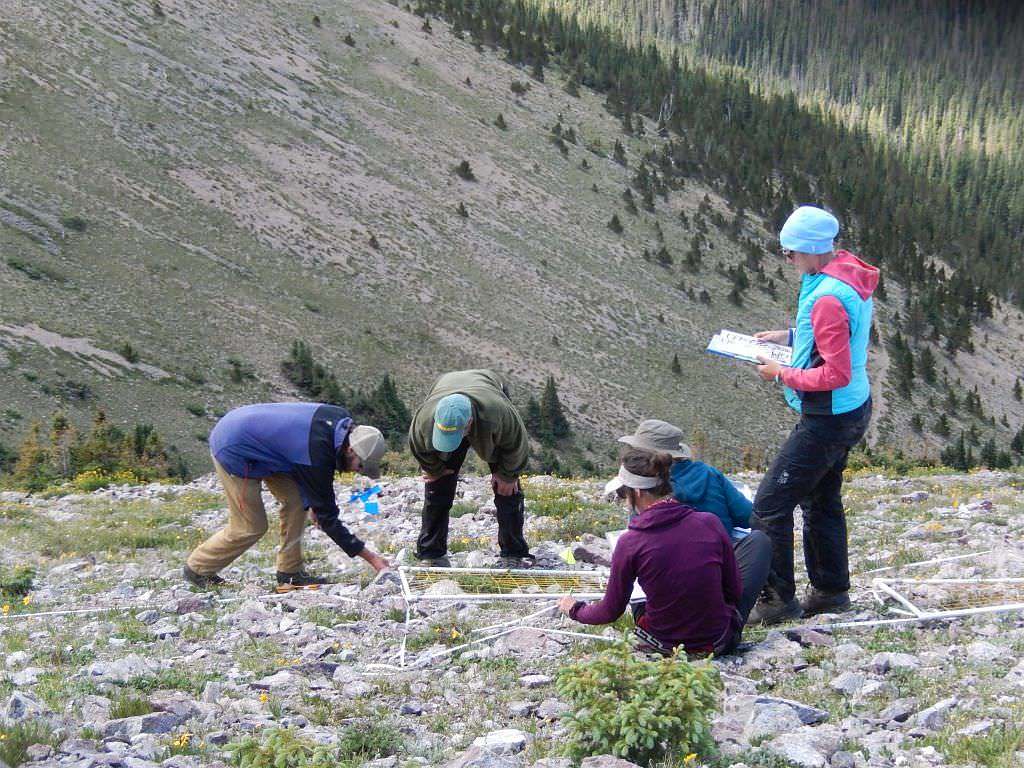
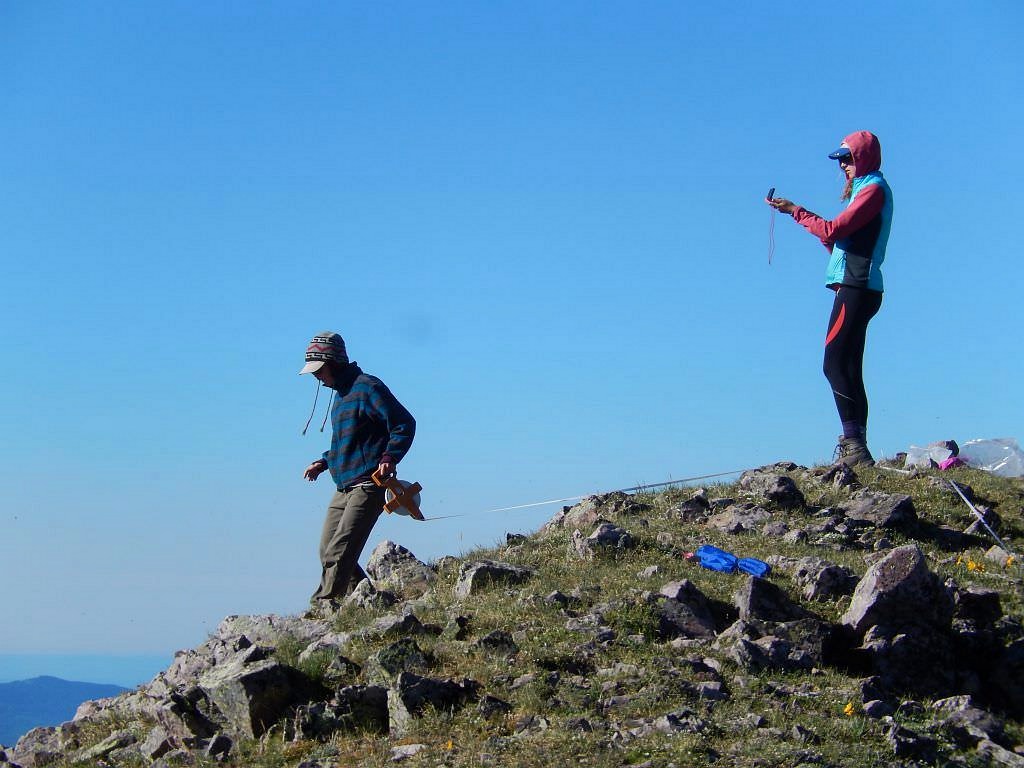
CNHP field staff conducting surveys.
CNHP Field Crews Conducting Survey Work
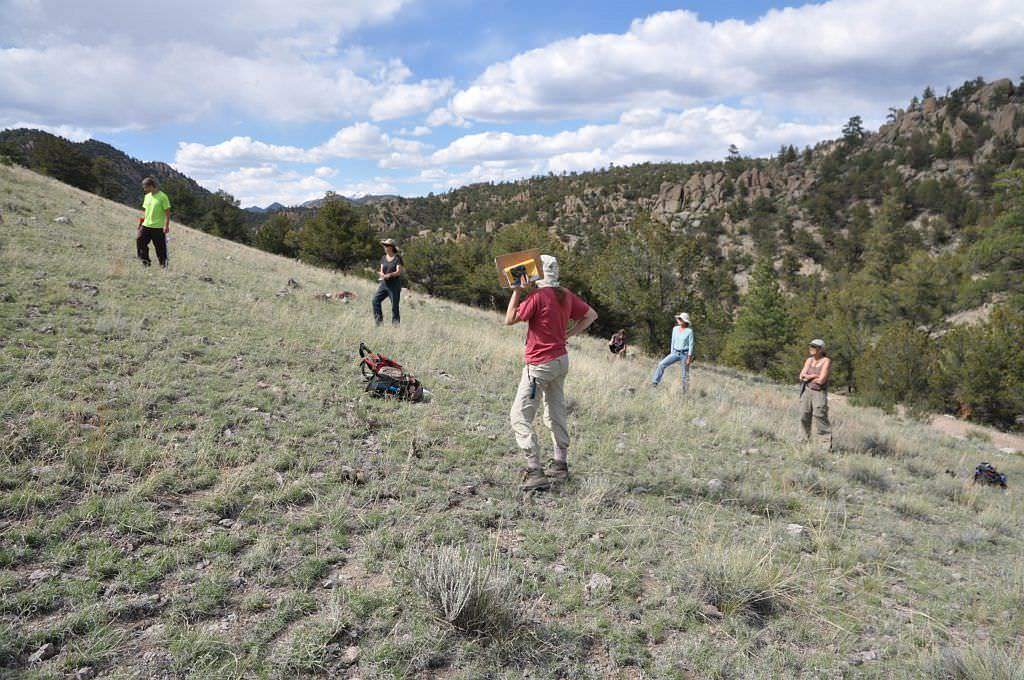
CNHP conducting botany survey work.
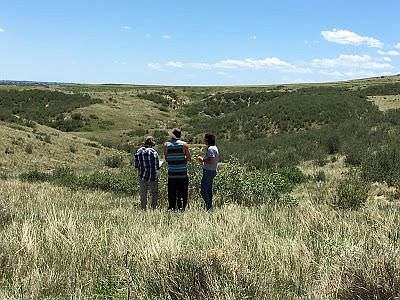
Interns Riley and Neal with volunteer Lexie take in the beauty of Coyote Ridge.


Application Instructions
  • The following application materials must be received by Monday, March 2, 2026.
    • Resume including your career objective(s) 
    • Cover letter highlighting your interest in natural resource 
      conservation and participating in field research
    • College Transcripts  
  • Apply through CSU's Workday platform.


Timeline
  • Application Deadline: March 2
  • Interviews: March
  • Final Selections: March-April
  • Note: Students must be available May 26-August 21


Applicants should view the following materials before submitting their application

Siegele Conservation Internship Experience – Story Map by Renee Lile, 2019 Intern

Siegele Conservation Science Internship YouTube video

CNHP Blog featuring past internship experiences

Siegele Internship Experience Summer 2025

Questions & More Information

Jess Cheadle

Volunteer and Program Coordinator

jess.cheadle@colostate.edu


We are grateful to the many donors, contributors, and partners
who make this internship program possible!

 

Web Projects

  • CODEX - Colorado’s Conservation Data Explorer
  • Rare Plant Guide Online
  • Colorado Wetland Info Center
  • COMaP - Colorado Protected Lands
  • Colorado Bat Working Group
  • STReaMS - Endangered Fishes Database
  • Colorado Native Plant Database Data Portal

About Us

  • About Us
  • Contact Us
  • Staff Directory
  • Careers
  • The NatureServe Network
  • Partners
  • Site Map
Warner College of Natural Resources Logo
  • Apply to CSU
  • Equal Opportunity
  • Disclaimer
  • Privacy Statement
  • Search CSU
  • CSU Land Acknowledgement
  • CSU Principles of Community
© 2026 Colorado Natural Heritage Program
Colorado State University Logo
  • About Us
    ▼
    • About Us
      ▼
      • Biennial Report
    • Conserving Biodiversity
    • Events
    • Careers
    • Internships
    • Volunteer
    • The NatureServe Network
    • Partners
    • Staff Directory
  • Our Work
    ▼
    • Statewide Natural Heritage Survey
    • Ecology
    • Wetlands
    • Plants
    • Animals
    • Climate Change
    • Education
    • Invasive Species
  • Our Services
    ▼
    • Database Development
    • GIS Analysis & Modeling
    • Mapping
    • Surveys & Inventories
    • Monitoring & Assessment
    • Conservation Planning
    • Private Lands Conservation
  • Data
    ▼
    • About CNHP Data
    • Tracking Lists
    • Request Data
    • Contribute Data
    • Download Data
    • Potential Conservation Areas
    • Help & Documentation
  • Maps
    ▼
    • (CODEX) Conservation Data Explorer
    • CNHP Spatial Layers
    • Wetlands Mapper
    • COMaP
  • Library
    ▼
    • Reports
    • Tracking Lists
    • Potential Conservation Areas
    • Field Guides
      ▼
      • Rare Plant Guide
      • Colorado Wetland Field Guides
  • Blog
  • Use CODEX Conservation Data Explorer

  • Donate Now
  • About Us
    ▲
    • About Us
      ▼
      • Biennial Report
    • Conserving Biodiversity
    • Events
    • Careers
    • Internships
    • Volunteer
    • The NatureServe Network
    • Partners
    • Staff Directory
  • Our Work
    ▼
    • Statewide Natural Heritage Survey
    • Ecology
    • Wetlands
    • Plants
    • Animals
    • Climate Change
    • Education
    • Invasive Species
  • Our Services
    ▼
    • Database Development
    • GIS Analysis & Modeling
    • Mapping
    • Surveys & Inventories
    • Monitoring & Assessment
    • Conservation Planning
    • Private Lands Conservation
  • Data
    ▼
    • About CNHP Data
    • Tracking Lists
    • Request Data
    • Contribute Data
    • Download Data
    • Potential Conservation Areas
    • Help & Documentation
  • Maps
    ▼
    • (CODEX) Conservation Data Explorer
    • CNHP Spatial Layers
    • Wetlands Mapper
    • COMaP
  • Library
    ▼
    • Reports
    • Tracking Lists
    • Potential Conservation Areas
    • Field Guides
      ▼
      • Rare Plant Guide
      • Colorado Wetland Field Guides
  • Blog
  • Use CODEX Conservation Data Explorer

  • Donate Now
  • About Us
    ▼
    • About Us
      ▼
      • Biennial Report
    • Conserving Biodiversity
    • Events
    • Careers
    • Internships
    • Volunteer
    • The NatureServe Network
    • Partners
    • Staff Directory
  • Our Work
    ▼
    • Statewide Natural Heritage Survey
    • Ecology
    • Wetlands
    • Plants
    • Animals
    • Climate Change
    • Education
    • Invasive Species
  • Our Services
    ▼
    • Database Development
    • GIS Analysis & Modeling
    • Mapping
    • Surveys & Inventories
    • Monitoring & Assessment
    • Conservation Planning
    • Private Lands Conservation
  • Data
    ▼
    • About CNHP Data
    • Tracking Lists
    • Request Data
    • Contribute Data
    • Download Data
    • Potential Conservation Areas
    • Help & Documentation
  • Maps
    ▼
    • (CODEX) Conservation Data Explorer
    • CNHP Spatial Layers
    • Wetlands Mapper
    • COMaP
  • Library
    ▼
    • Reports
    • Tracking Lists
    • Potential Conservation Areas
    • Field Guides
      ▼
      • Rare Plant Guide
      • Colorado Wetland Field Guides
  • Blog
  • Use CODEX Conservation Data Explorer

  • Donate Now

Spatial layers created for the BTPD Habitat Suitability Model`

Methods used for building the BTPD Habitat Suitability Model.

Methodological approach for identifying suitable landscapes for the black-tailed prairie dog (BTPD) ecosystem conservation.

Maps of state-level high conservation potential habitat (top 10% and 30%) for the black-tailed prairie dog ecosystem, under current and future climates (present, warm/wet, hot/dry, and overlaps

Maps of range-wide high conservation potential habitat (top 10% and 30%) for the black-tailed prairie dog ecosystem, under current and future climates (present, warm/wet, hot/dry, and overlaps

LandownershipArea (km2)Percent (%)
Private63,44765.4
Federal14,02114.5
State9,3479.6
Indigenous lands7,7798.0
NGO/private conservation2,2502.3
Local/Regional1000.1
Total96,944100
Overlap of top 10% high conservation potential areas with land ownership types
StateArea (km2)Percent (%)
Colorado24,08424.8
Montana19,40120.0
South Dakota19,33119.9
Wyoming18,94719.5
New Mexico7,0827.3
Nebraska2,5252.6
Arizona1,8451.9
Texas1,5521.6
Oklahoma1,0591.1
North Dakota6990.7
Kansas4200.4
Total96,944100
Lands with high conservation potential (Top 10%) for the prairie dog ecosystem, by state.