


Scientific Name : Xanthisma coloradoense
Author : (A. Gray) D.R. Morgan & R.L. Hartman NatureServe Explorer
Common Name : Colorado Tansy- aster
 Current Research Activities
 1997 profile


☰ Click link below for details.
Taxonomy
Asteraceae (sunflower family)
The Flora of North America (Vol. 20, 2006) and the Flora of Colorado (Ackerfield (2022) both recognize this species as Xanthisma coloradense with no varieties distinguished. According to FNA's treatment, "Two varieties of Xanthisma coloradoense were recognized by R. L. Hartman (1976, 1990). They were distinguished by size, shape, and serration of leaves, size of flowering heads, and ray corolla length. With the number of additional collections amassed, these distinctions no longer hold and the varieties are not recognized."
Ranks and Status
State Rank : S3
State Rank Reason : Xanthisma coloradoense is currently known from at least 50 occurrences in 15 counties in Colorado, USA. It is moderately threatened by recreation and incompatible livestock grazing; additional threats may occur from road construction and maintenance, reservoir expansion, and competition from non-native invasive plant species. This species is considered to have moderately low adaptive capacity and is expected to be slightly to moderately vulnerable to the effects of climate change.
U.S. Endangered Species Act : none
Colorado Threatened and Endangered List : none
Other Statuses : SWAP Tier 2, USFS
Description and Phenology
General Description:
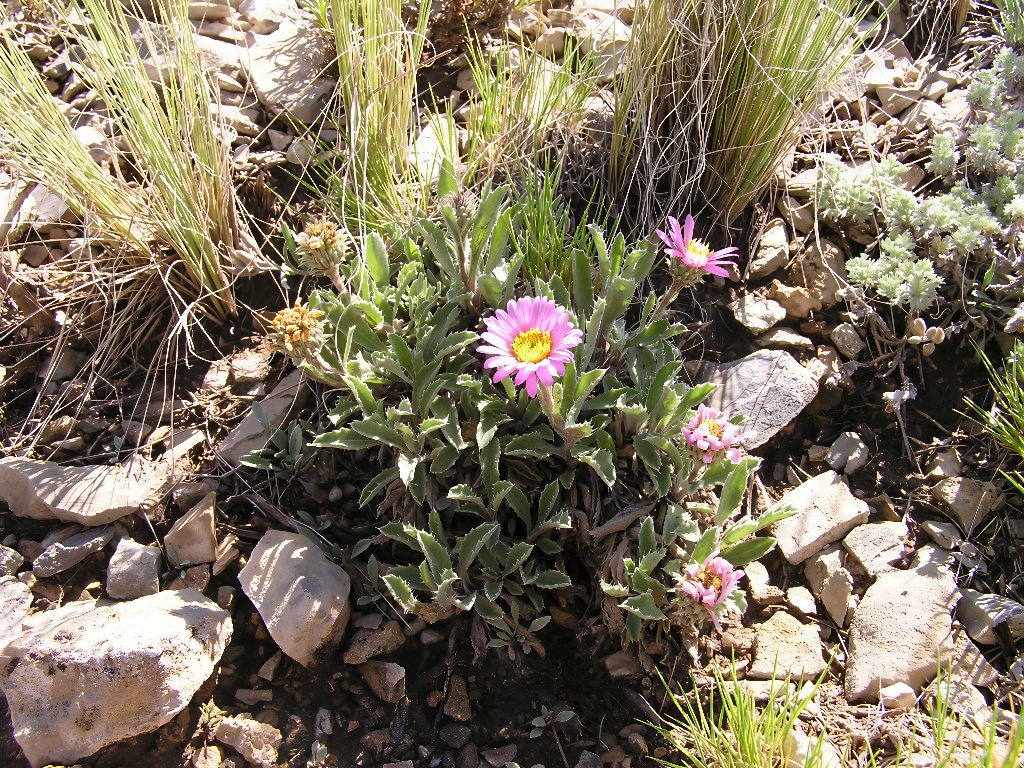
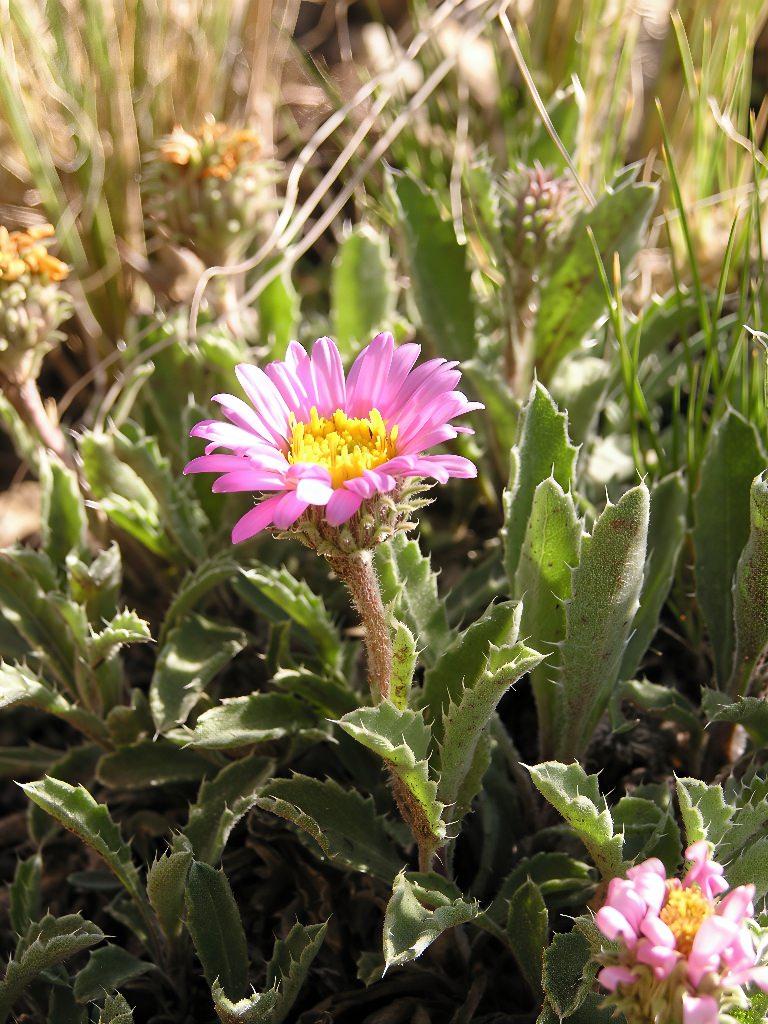
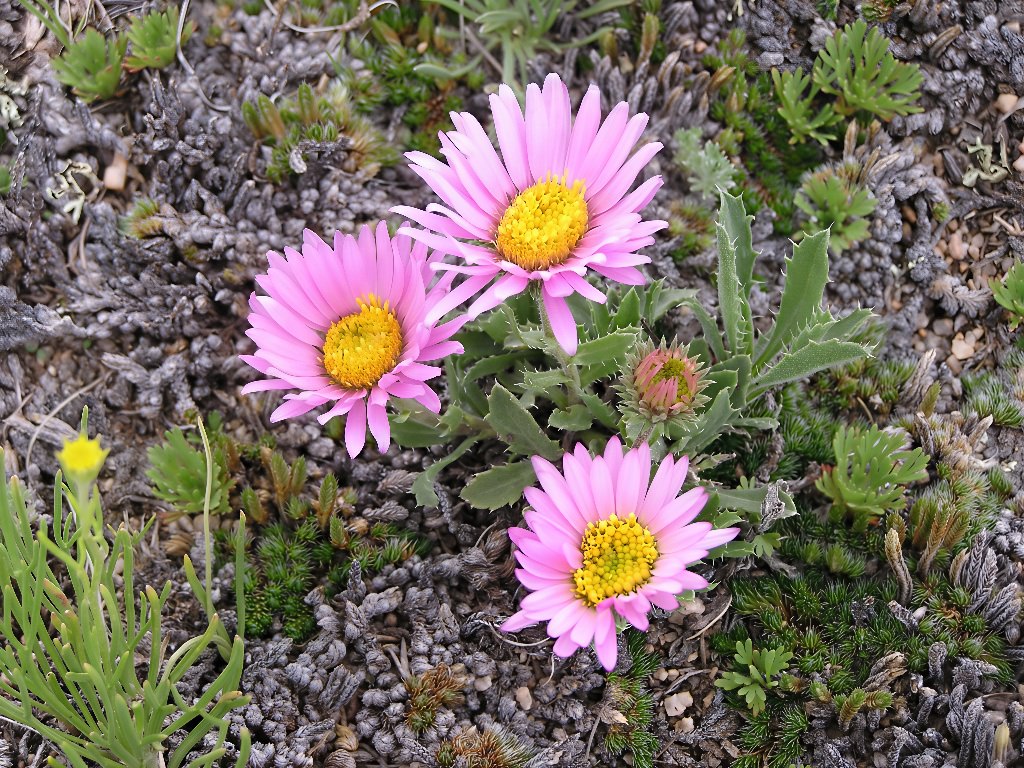
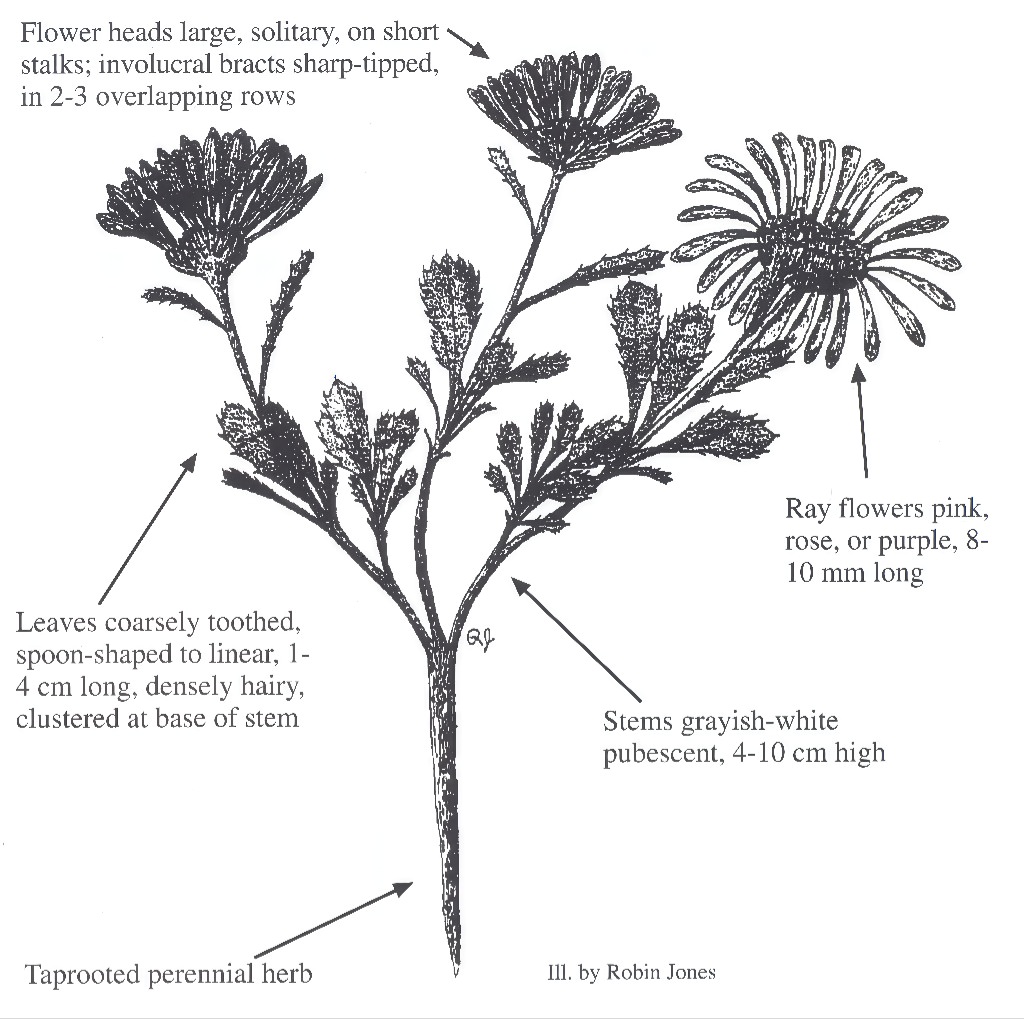
Herbaceous perennial; plants 2.5â14 cm tall from a branched caudice. Stems simple, moderately stout, not wiry, villous to pillose; basal leaves (rosettes) persistent; leaves oblanceolate to spatulate, 1-8 cm long, margins serrate, 3-14 teeth per side, each tipped with white bristle 0.5-2mm long, faces sparsely to moderately hairy. Flower heads one per stem, peduncles moderately to densely white-puberulent, eglandular; involucre 5-8 mm high; disk flowers yellow, 4.5-6.5 mm long; ray flowers pink to purple, 5-15 mm long; cypselae 1.5-3 mm long, covered with whitish to tawny hairs (Ackerfield 2022, FNA 2006).
Look Alikes:
Machareanthera tanacetifolia has once or twice pinnately lobed leaves and tall, leafier stems. Xanthisma coloradoense is distinguished from other species by its deep purple flowers, short stems, and toothed leaves (Spackman et al. 1997).
Phenology:
Flowers in July through early August; begins to set seed in early August (Spackman et al. 1997).
 |
Habitat
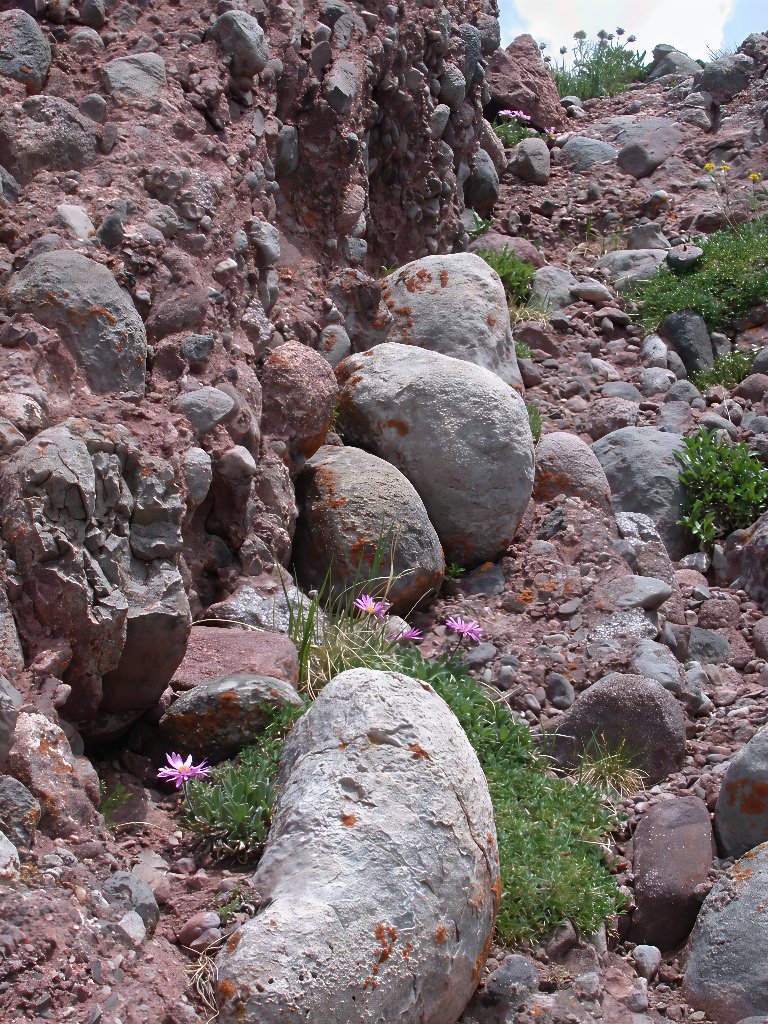
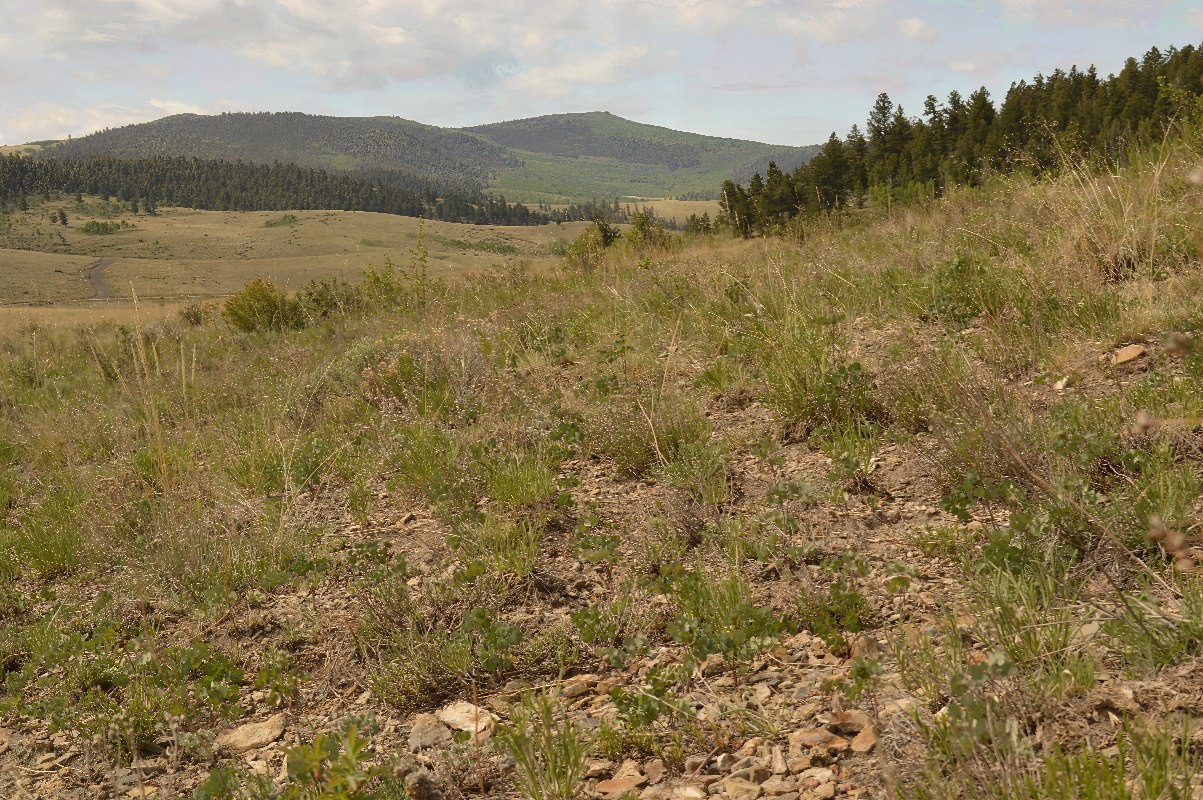
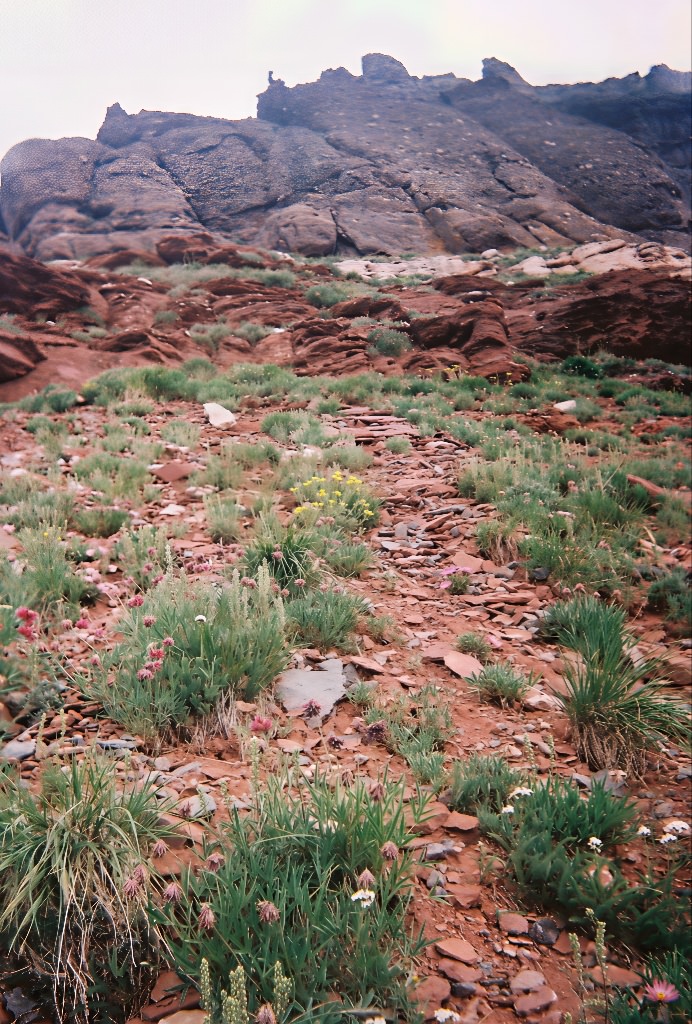
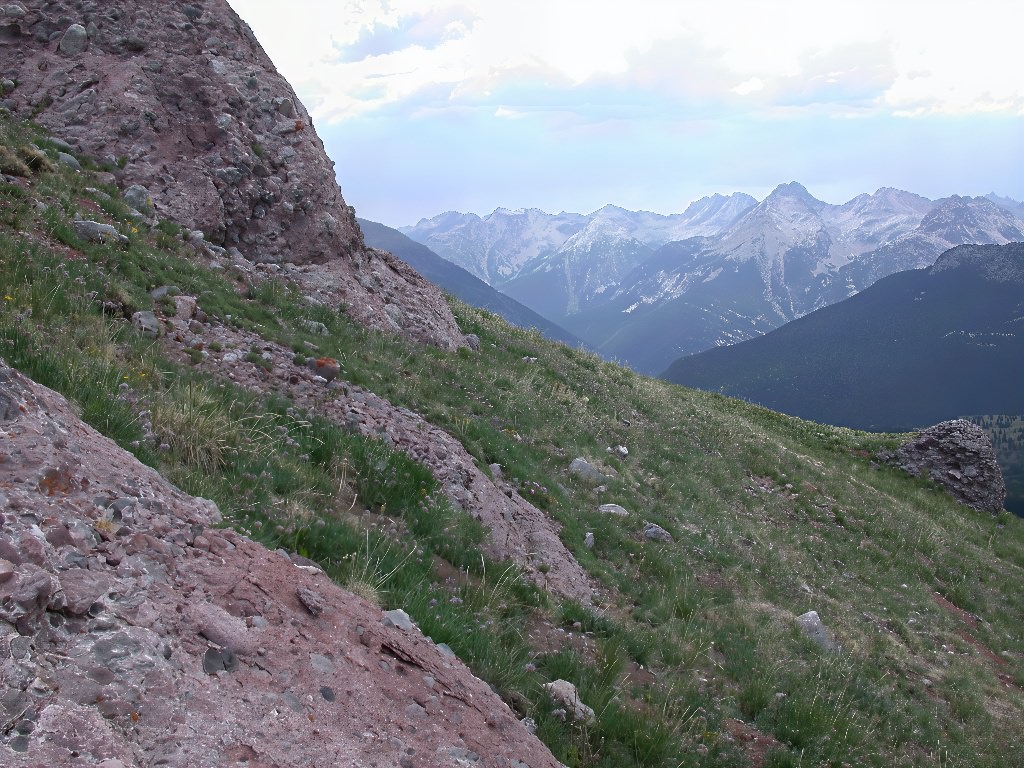
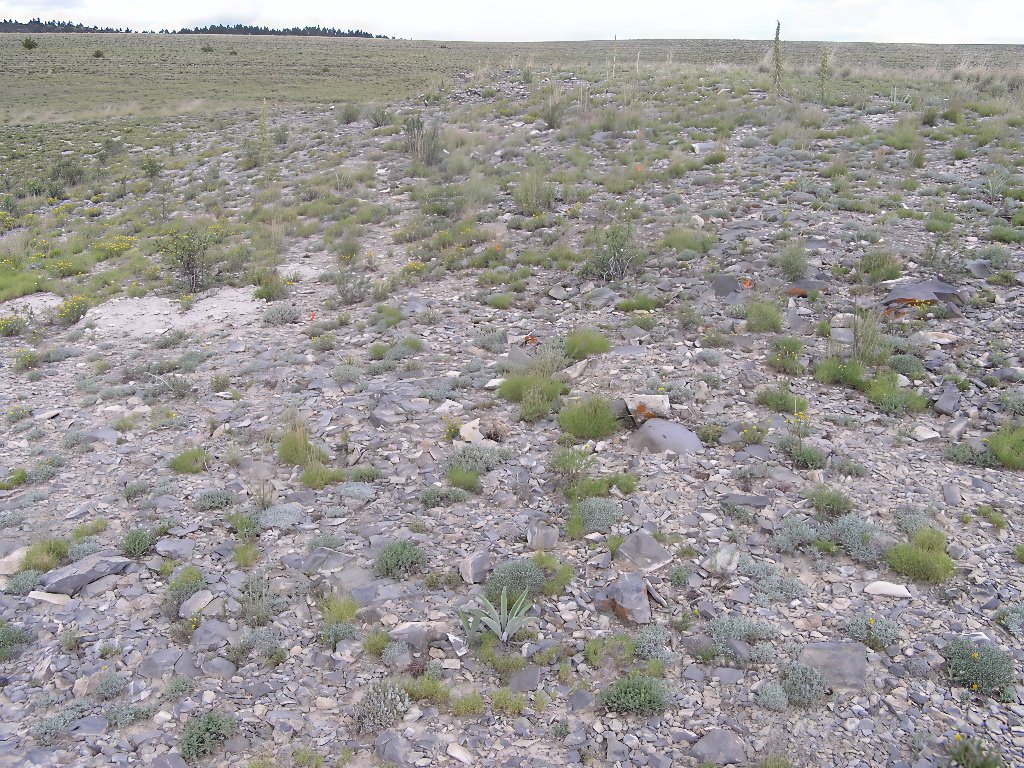
Xanthisma coloradoense is mostly alpine, but sometimes present in the foothills or plains, on volcanic ash deposits, gravelly soil, or limestone outcrops in the southern Rocky Mountains of Colorado and southern Wyoming (FNA 2006). In Colorado its is found in gravelly areas in mountain parks, slopes and rock outcrops up to dry tundra (Spackman et al. 1997). In alpine environments it is associated with Festuca thurberi, Poa alpina, Trisetum spicatum, Cherleria (Lidia) obtusiloba, Eremogone fendleri, Erigeron pinnatisectus, Geum rossii, Oxytropis deflexa var. deflexa, Oreoxis bakeri, Phacelia sericea, Polemonium viscosum, Solidago simplex ,and Trifolium spp. At lower elevations common associates include Ericoma hymenoides, Festuca arizonica, Muhlenbergia filiculmis, Pascopyrum smithii, Gutierrezia sarothrae, Artemisia frigida, Eriogonum alatum, E. umbellatum, Heterotheca villosa, Hymenoxys richardsonii,Ipomopsis congesta, Oxytropis sericea ,and Potentilla hippiana x pulcherrima (CNHP 2026).
click on image to enlarge
 |
 |
 |
 |
Elevation Range:
8,986 - 13,428 feet (2,739 - 4,093 meters)
Distribution
Colorado Endemic:
No
Range:
Xanthisma coloradoense is known from Archuleta, Chaffee, Clear Creek, Dolores, Gunnison, Hinsdale, Jackson, La Plata, Lake, Moffat, Park, Pitkin, Rio Grande, Saguache, and San Juan counties in Colorado, USA. Estimated range extent in Colorado of 57,504 square kilometers was calculated in GeoCAT using occurrence data provided by the Colorado Natural Heritage Program (2026). This species can also be found in Wyoming, USA.
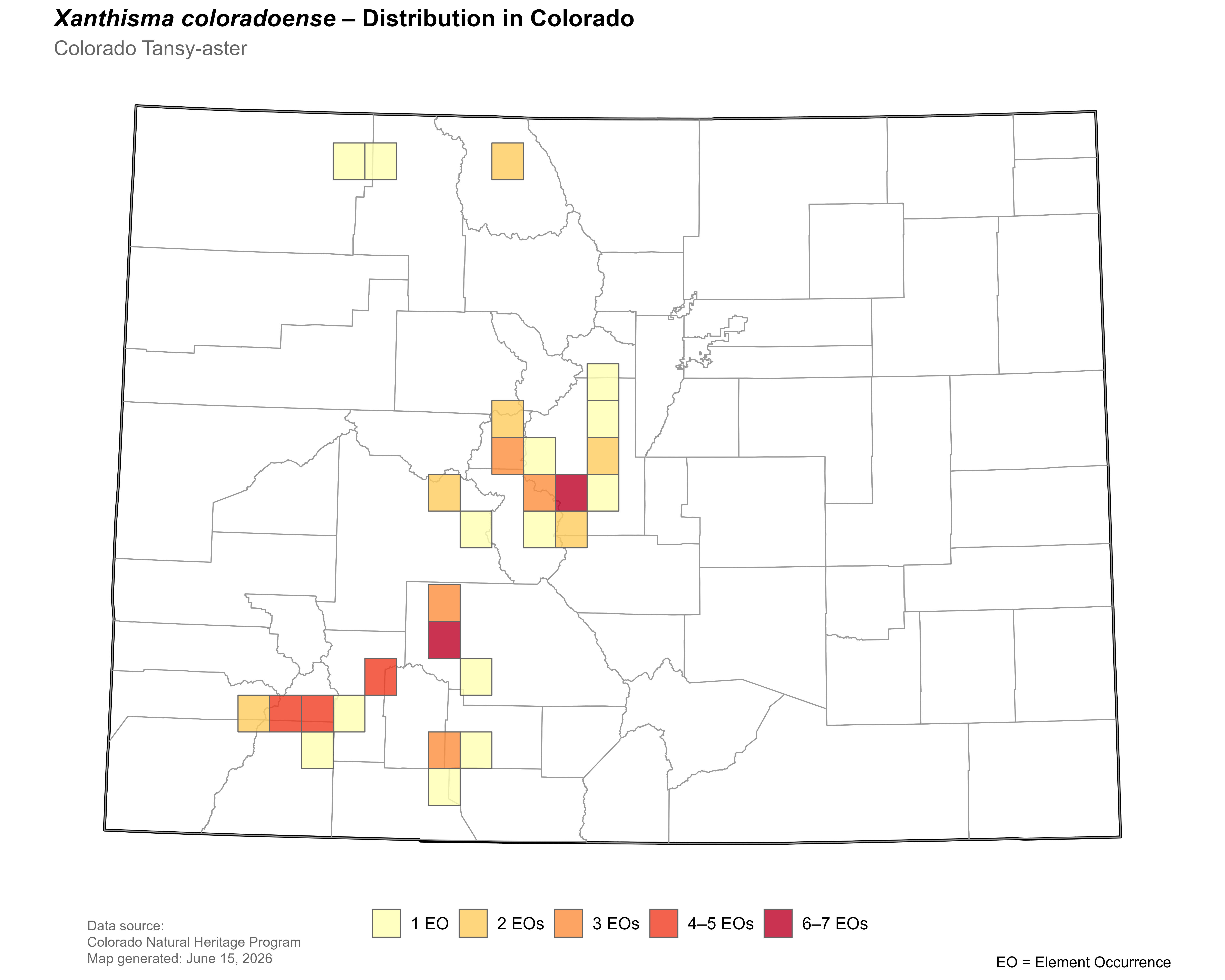
Click on map to enlarge |
Threats and Management Issues
The primary threats are considered to be recreation and incompatible livestock grazing. It is not known if all of the occurrences are threatened by these activities but recreation of various types has been reported from 19% of the occurrences and livestock grazing/trampling has been observed at 29%. Other potential threats include road and utility construction and maintenance, reservoir expansion, and competition from non-native invasive plant species. Lower elevation populations and those populations closest to roads and trails are likely at the most risk. Other environmental or biological threats to populations or habitats of X. coloradoense could include inadequate pollination, genetic isolation, herbivory, landscape fragmentation, hybridization, global climate changes, or changes to the natural disturbance regime that would affect natural succession, erosion, or precipitation patterns (Beatty et al. 2004). This species is considered to have moderately low adaptive capacity and is expected to be slightly to moderately vulnerable to climate change under both RCP 4.5 and 8.5 scenarios, as assessed for the 2025 Colorado State Wildlife Action Plan (CNHP 2025).
References
- Ackerfield, Jennifer. 2022. Flora of Colorado. Second Edition. Bot. Misc. 60. BRIT Press, Fort Worth Botanic Garden/Botanical Research Institute of Texas, U.S.A. 861 pp.
- Beatty, B.L., W.F. Jennings, and R.C. Rawlinson (2004, January 30). Machaeranthera coloradoensis (Gray) Osterhout (Colorado tansyaster): a technical conservation assessment. [Online]. USDA Forest Service, Rocky Mountain Region. Available: http://www.fs.fed.us/r2/projects/scp/assessments/machaerantheracoloradoensis.pdf [March 2006].
- Colorado Natural Heritage Program (CNHP). 2025. Climate Change Vulnerability Assessment of Colorado Tier 1 and Tier 2 Plant Species of Greatest Conservation Need (SCGN) for the 2025 Colorado State Wildlife Action Plan. Colorado Natural Heritage Program, Colorado State University, Fort Collins, CO.
- Colorado Natural Heritage Program (CNHP). 2026. Biodiversity Tracking and Conservation System (Biotics 5). Colorado Natural Heritage Program, Colorado State University, Fort Collins.
- Flora of North America Editorial Committee (FNA). 2006b. Flora of North America north of Mexico. Vol. 20. Magnoliophyta: Asteridae, part 7: Asteraceae, part 2. Oxford Univ. Press, New York. xxii + 666 pp.
- Spackman, S., B. Jennings, J. Coles, C. Dawson, M. Minton, A. Kratz, and C. Spurrier. 1997. Colorado rare plant field guide. Prepared for Bureau of Land Management, U.S. Forest Service and U.S. Fish and Wildlife Service by Colorado Natural Heritage Program.