


Scientific Name : Hackelia gracilenta
Author : (Eastw.) I.M. Johnston NatureServe Explorer
Common Name : Mesa Verde Stickseed
 Current Research Activities
 1997 profile


☰ Click link below for details.
Taxonomy
Boraginaceae (borage family)
Ranks and Status
State Rank : S1S2
State Rank Reason : Hackelia gracilenta is a Colorado endemic; known from 12 occurrences, within a highly restricted distribution. Recreational use is considered to be the primary threat to the species but this use does not appear very significant. Hackelia gracilenta seems to respond advantageously to moderate disturbance. Cheatgrass is present in some occurrences at low levels. Climate change impacts on habitat structure and soil moisture are also a concern.This species is considered to be moderately to extremely vulnerable to climate change.
U.S. Endangered Species Act : none
Colorado Threatened and Endangered List : none
Other Statuses : SWAP Tier 1
Description and Phenology
General Description:
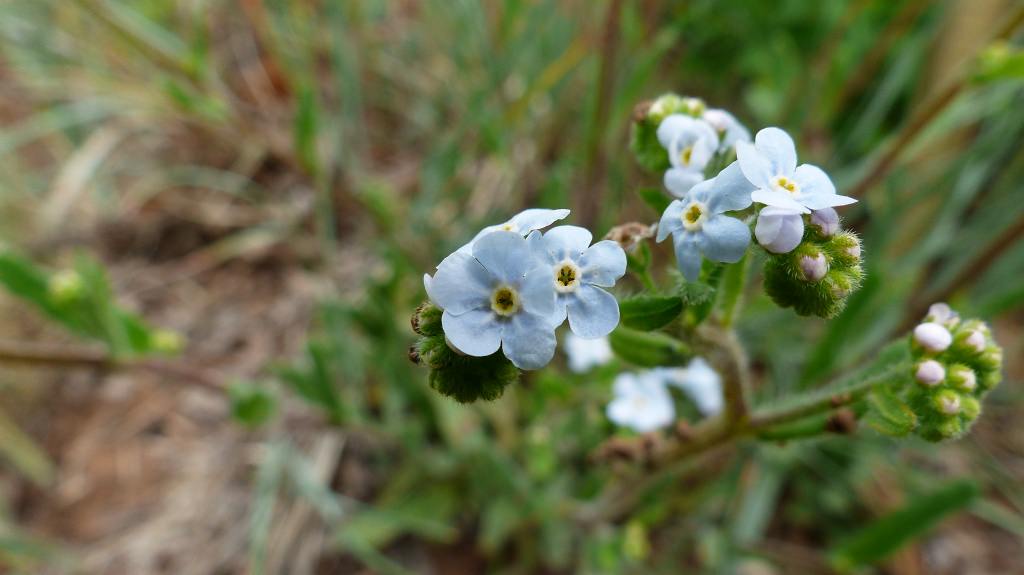
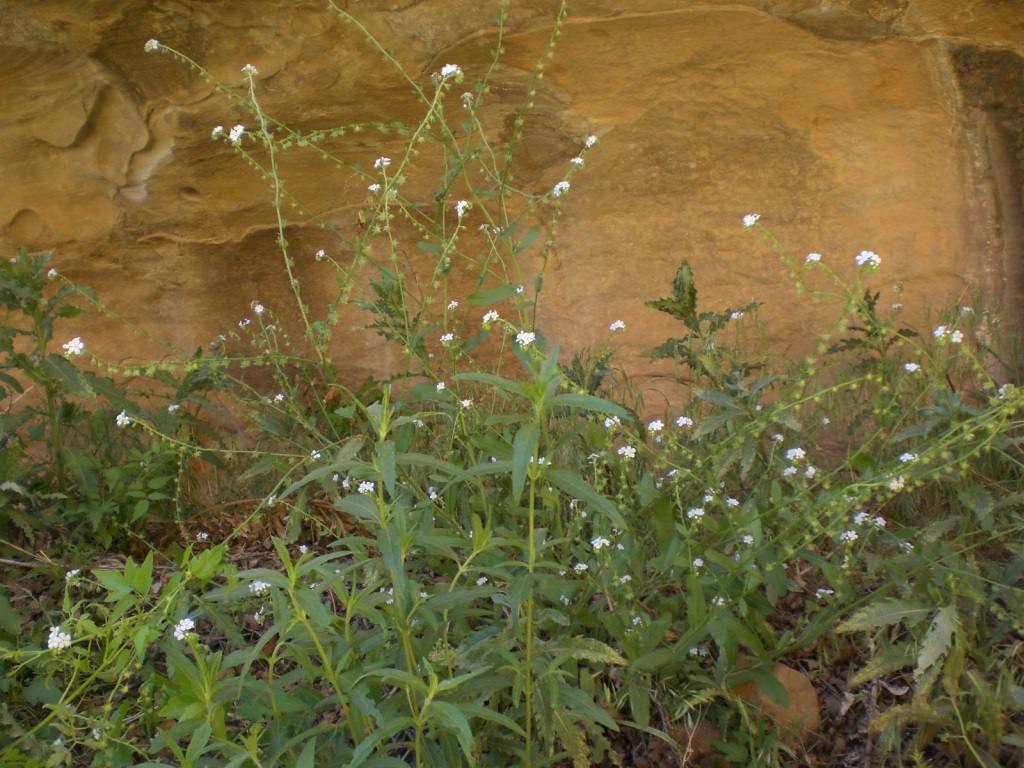
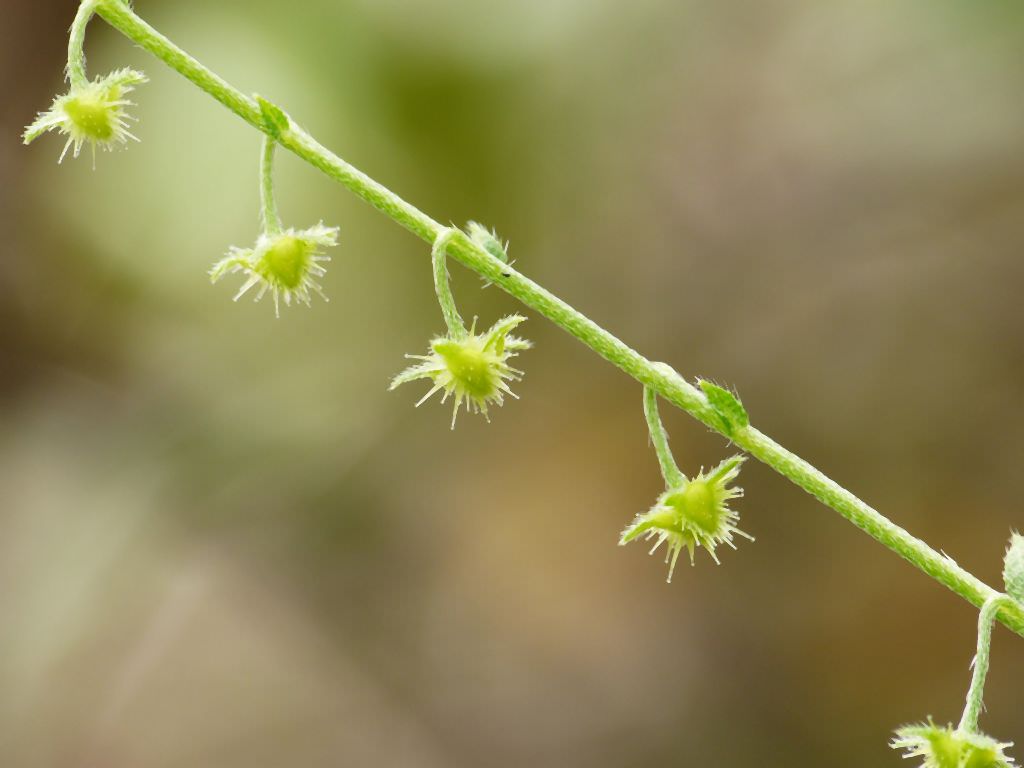
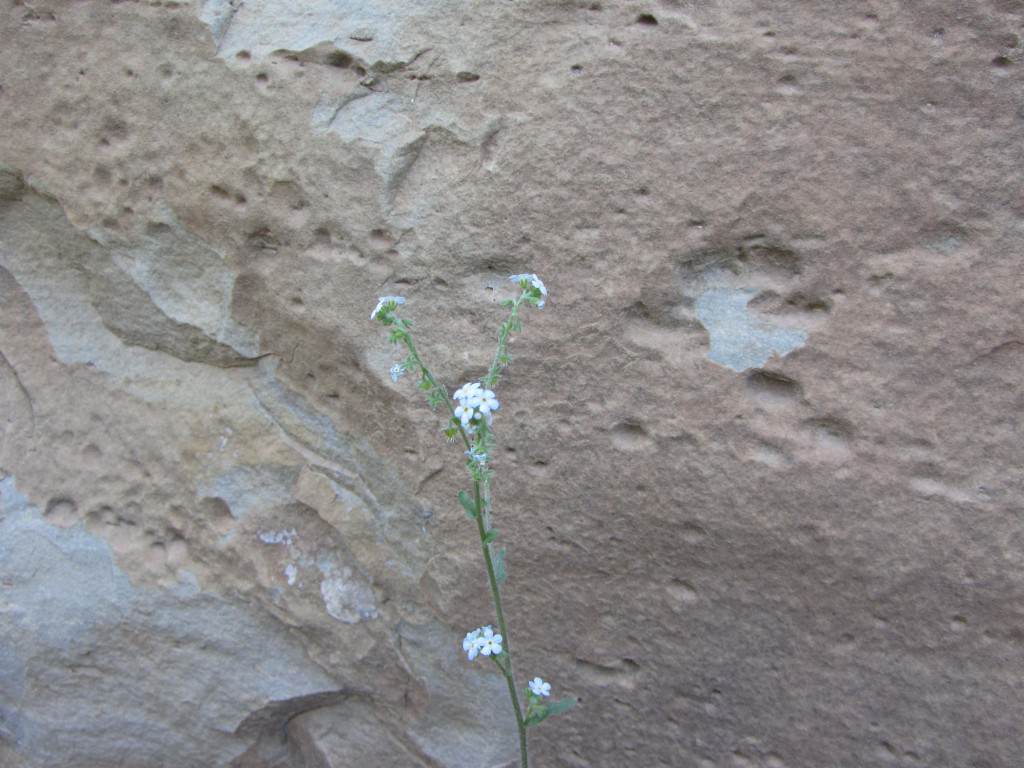
Plants biennial, 25-90 cm tall. Hispid stems, trichomes with pustulose bases. Mostly basal leaves, oblanceolate to narrowly oblong 2-12 cm long, and pustulate. Corolla 6-8 mm wide, blue to whitish-blue. Nutlets 2-4 mm wide, the prickles on margins slightly united at the base, 1-3 mm long, and longer than the intramarginal prickles (Spackman et al. 1997, Weber and Wittmann 2012, Ackerfield 2015).
Look Alikes:
Hackelia floribunda has stems that are leafy throughout, hirsute, pilose or otherwise pubescent; but hairs are not pustulose (Spackman et al. 1997).
Phenology:
Flowers May through June; fruits mid to late June (Spackman et al. 1997).
Habitat
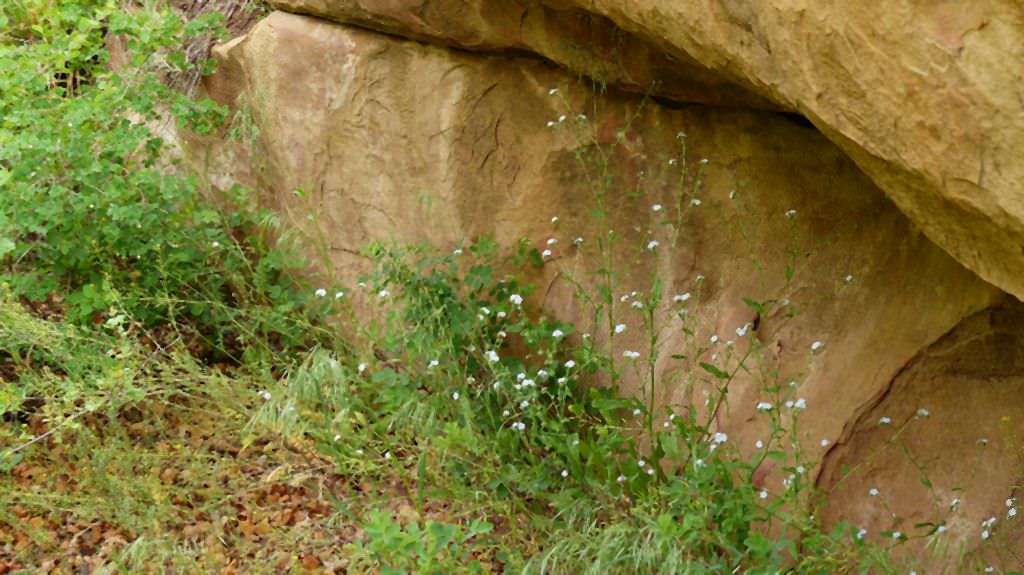
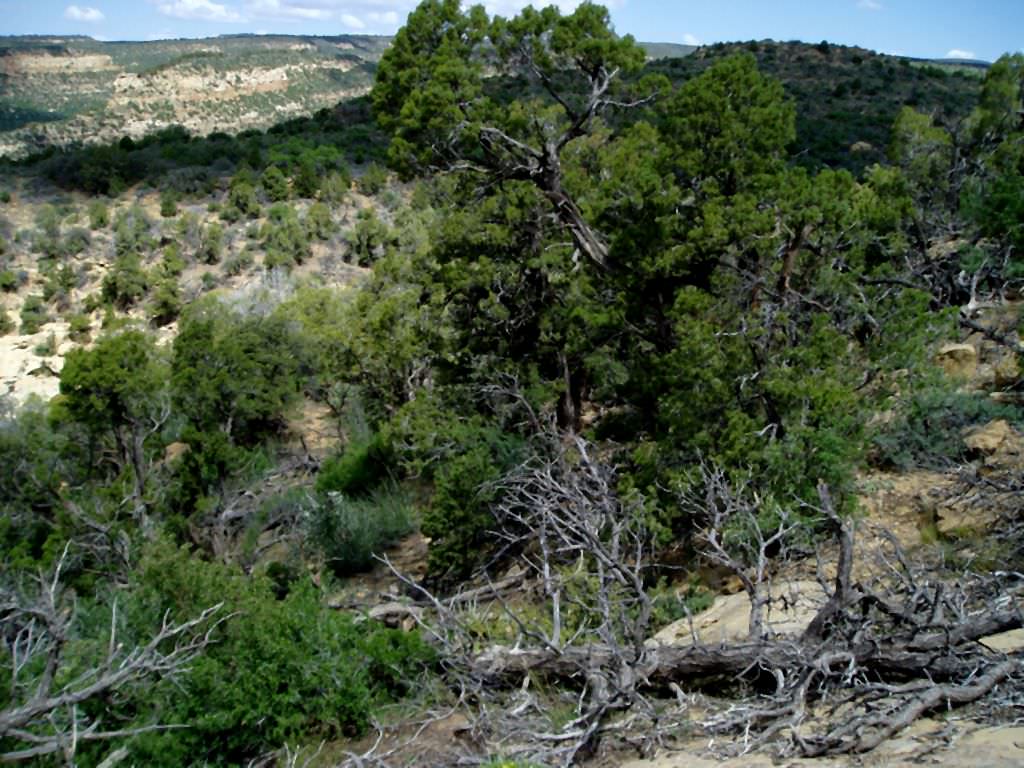
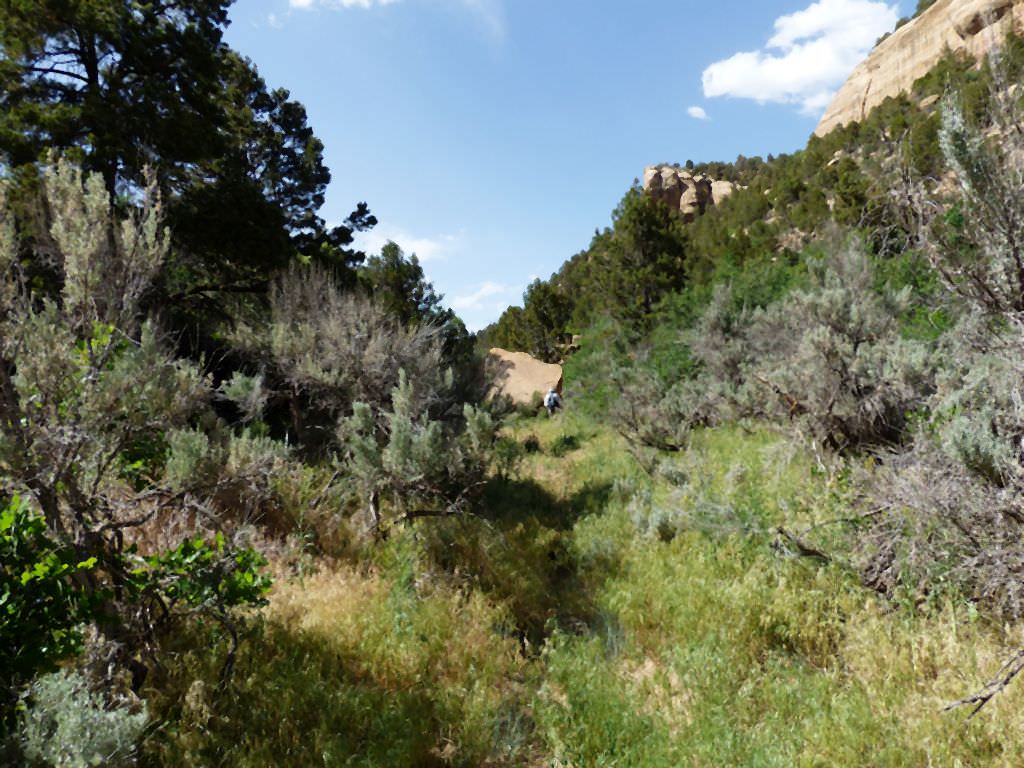
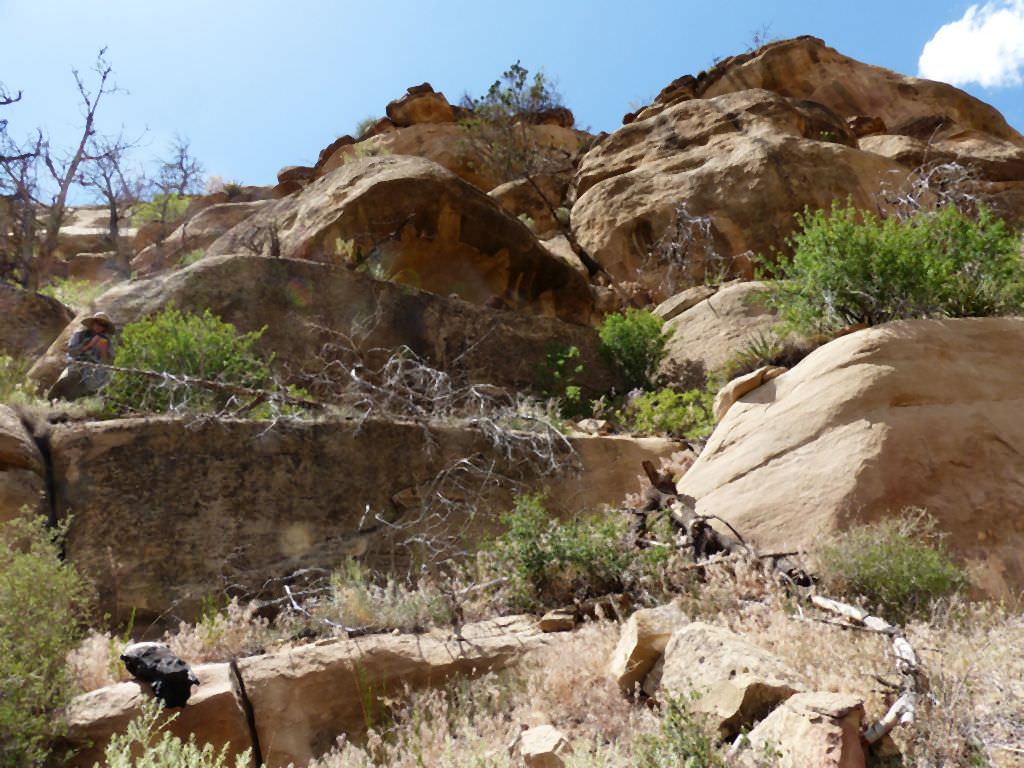
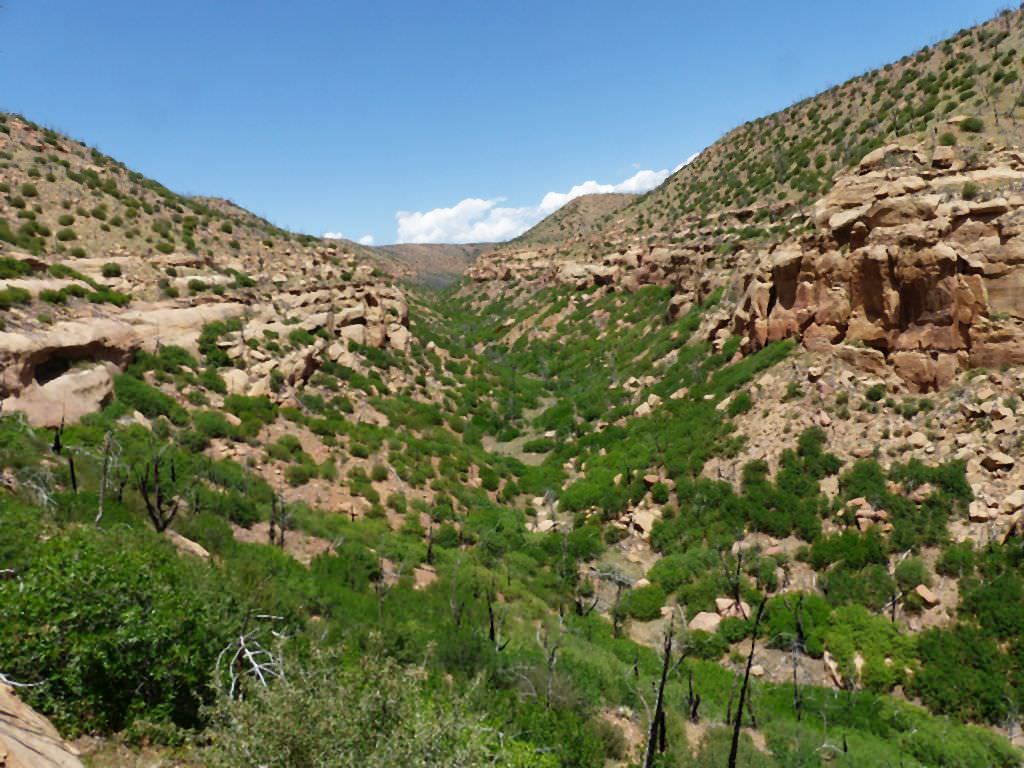
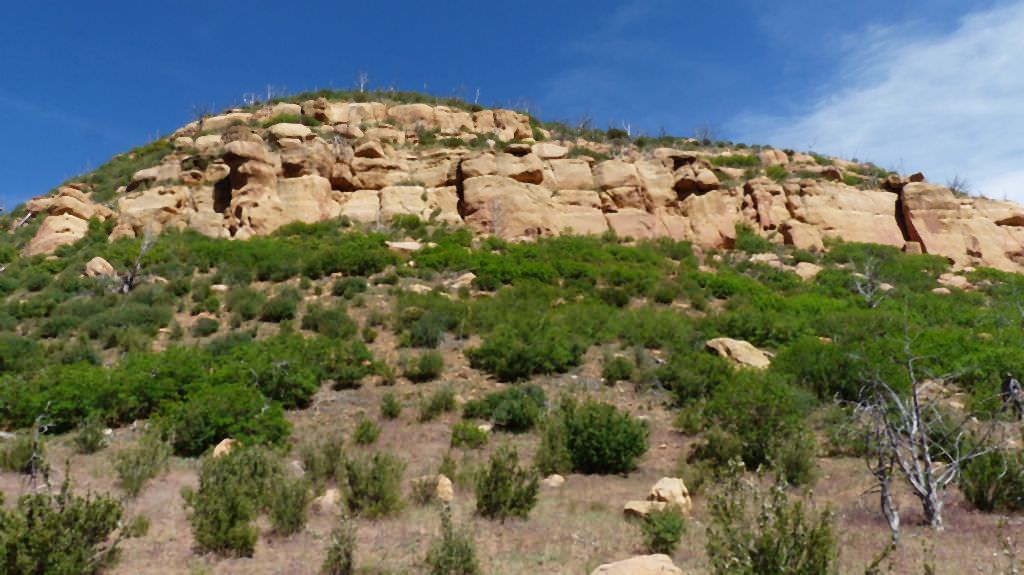
Shady canyons and mesa tops; in deep loam or sandy-loam soil; associated with pinyon-juniper and scrub oak communities (Spackman et al. 1997, Weber and Wittmann 2012, Ackerfield 2015). Additional associated species include: Amelanchier utahensis, Poa fendleriana, Symphoricarpos oreophilus, Ribes leptanthum, Chrysothamnus viscidiflorus, Artemisia tridentata, Rhus tridentata, Lepidium montanum, Pedicularis centranthera, Schoenocrambe linifolia, and Yucca baccata (Colorado Natural Heritage Program occurrence records 2017).
click on image to enlarge
 |
 |
 |
 |
 |
 |
Elevation Range:
6,304 - 7,764 feet (1,922 - 2,367 meters)
Distribution
Colorado Endemic:
Yes
Range:
Hackelia gracilenta is endemic to Montezuma County, Colorado, USA. The estimated range extent in Colorado of 81 square kilometers was calculated in GeoCAT using occurrence data provided by the Colorado Natural Heritage Program (2023).
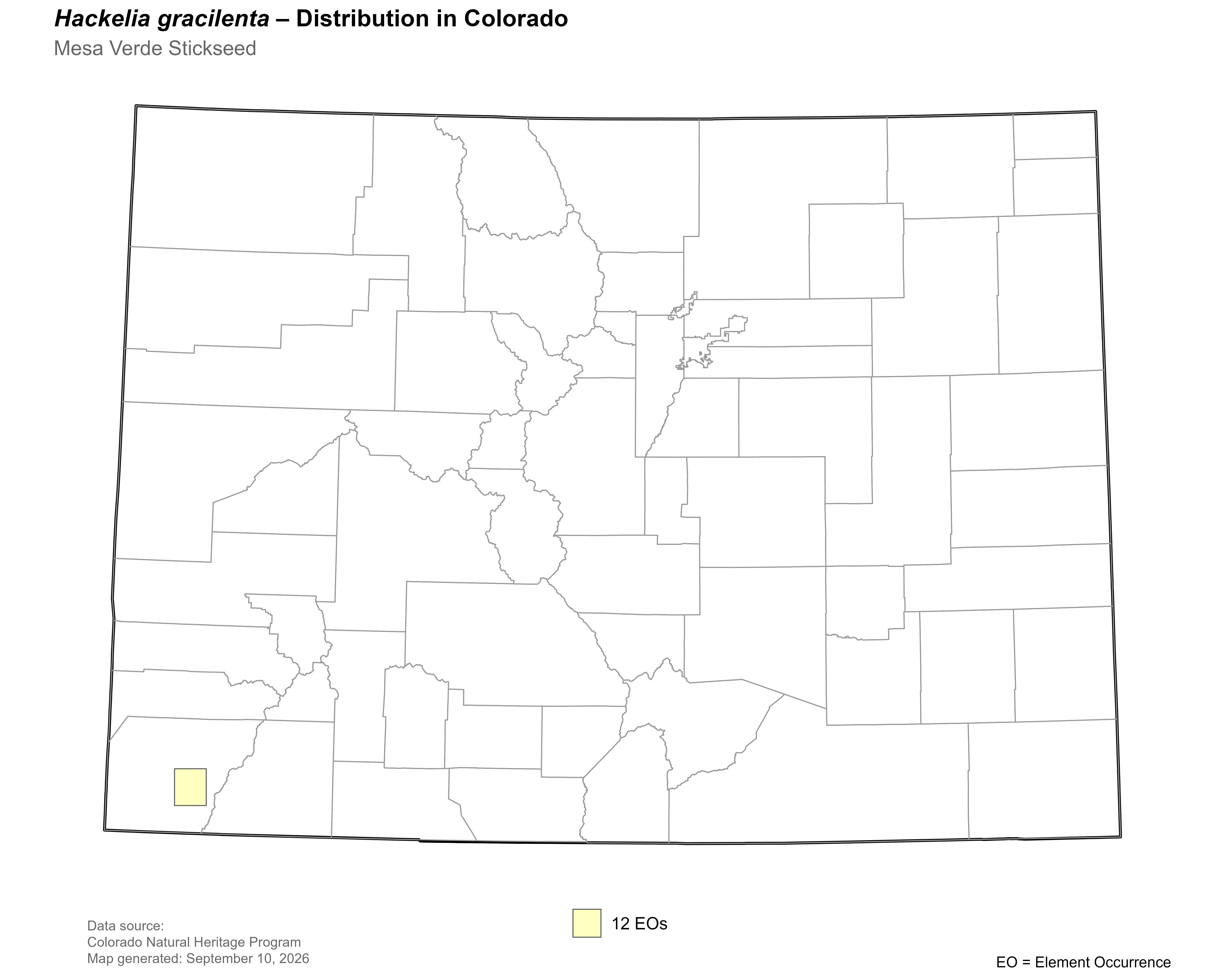
Click on map to enlarge |
Threats and Management Issues
Recreational use is considered to be the primary threat to the species at this time (Rondeau et al. 2011). Development of park facilities may pose a minor threat to this species, but the National Park Service is aware of its locations and rarity. To date, recreational impacts do not appear very significant. Hackelia gracilenta seems to respond advantageously to moderate disturbance (Fiero 1987). Cheatgrass is present in some occurrences at low levels. This species is considered to have moderate adaptive capacity and is expected to be moderately to extremely vulnerable to climate change under both RCP 4.5 and 8.5 scenarios, as assessed for the 2025 Colorado State Wildlife Action Plan (CNHP 2025).
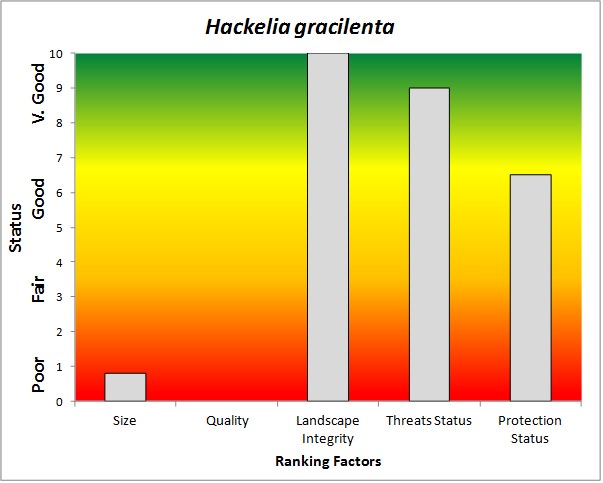
Summary results of an analysis of the status of Hackelia gracilenta based on several ranking factors. This species was concluded to be Moderately Conserved. From Rondeau et al. 2011. |
References
- Ackerfield, J. 2015. Flora of Colorado. BRIT Press, Botanical Research Institute of Texas, Fort Worth, TX. 818 pp.
- Colorado Native Plant Society. 1989. Rare plants of Colorado. Rocky Mountain Nature Association, Colorado Native Plant Society, Estes Park, Colorado. 73 pp.
- Colorado Natural Heritage Program (CNHP). 2023. Biodiversity Tracking and Conservation System (Biotics 5). Colorado Natural Heritage Program, Colorado State University, Fort Collins.
- Colorado Natural Heritage Program (CNHP). 2025. Climate Change Vulnerability Assessment of Colorado Tier 1 and Tier 2 Plant Species of Greatest Conservation Need (SCGN) for the 2025 Colorado State Wildlife Action Plan. Colorado Natural Heritage Program, Colorado State University, Fort Collins, CO.
- Colorado Natural Heritage Program and the Geospatial Centroid. 2017. The Colorado Ownership and Protection Map (COMaP). Colorado State University, Ft. Collins, CO.
- Handwerk, J., L. Grunau, and S. Panjabi. 2015. Colorado Wildlife Action Plan: 2015 Rare Plant Addendum. Colorado Natural Heritage Program, Colorado State University, Fort Collins, Colorado, USA.
- Neely, B., S. Panjabi, E. Lane, P. Lewis, C. Dawson, A. Kratz, B. Kurzel, T. Hogan, J. Handwerk, S. Krishnan, J. Neale, and N. Ripley. 2009. Colorado Rare Plant Conservation Strategy, Developed by the Colorado Rare Plant conservation Initiative. The Nature Conservancy, Boulder, Colorado, 117 pp.
- O'Kane, S. L. 1988. Colorado's Rare Flora. Great Basin Naturalist. 48(4):434-484.
- Rondeau, R., K. Decker, J. Handwerk, J. Siemers, L. Grunau, and C. Pague. 2011. The state of Colorado's biodiversity 2011. Prepared for The Nature Conservancy. Colorado Natural Heritage Program, Colorado State University, Fort Collins, Colorado.
- Spackman, S., B. Jennings, J. Coles, C. Dawson, M. Minton, A. Kratz, and C. Spurrier. 1997. Colorado rare plant field guide. Prepared for Bureau of Land Management, U.S. Forest Service and U.S. Fish and Wildlife Service by Colorado Natural Heritage Program.
- USDA, NRCS. 2022. The PLANTS Database. National Plant Data Team, Greensboro, NC 27401-4901 USA.
- Weber, W. A. and R. C. Wittmann. 2012. Colorado Flora, Western Slope, A Field Guide to the Vascular Plants, Fourth Edition. Boulder, Colorado. 532 pp.


