


Scientific Name : Gentianella tortuosa
Author : (M.E. Jones) J. Gillett NatureServe Explorer
Common Name : Cathedral Bluff Dwarf Gentian
 Current Research Activities
 1997 profile


☰ Click link below for details.
Taxonomy
Gentianaceae (gentian family)
Ranks and Status
State Rank : S1
State Rank Reason : Gentianella tortuosa is known from two occurrences in Rio Blanco County, Colorado, USA. Potential threats include oil and gas development and road maintenance. This species is also considered vulnerable to the effects of climate change.
U.S. Endangered Species Act : none
Colorado Threatened and Endangered List : none
Other Statuses : BLM, SWAP Tier 2
Description and Phenology
General Description:
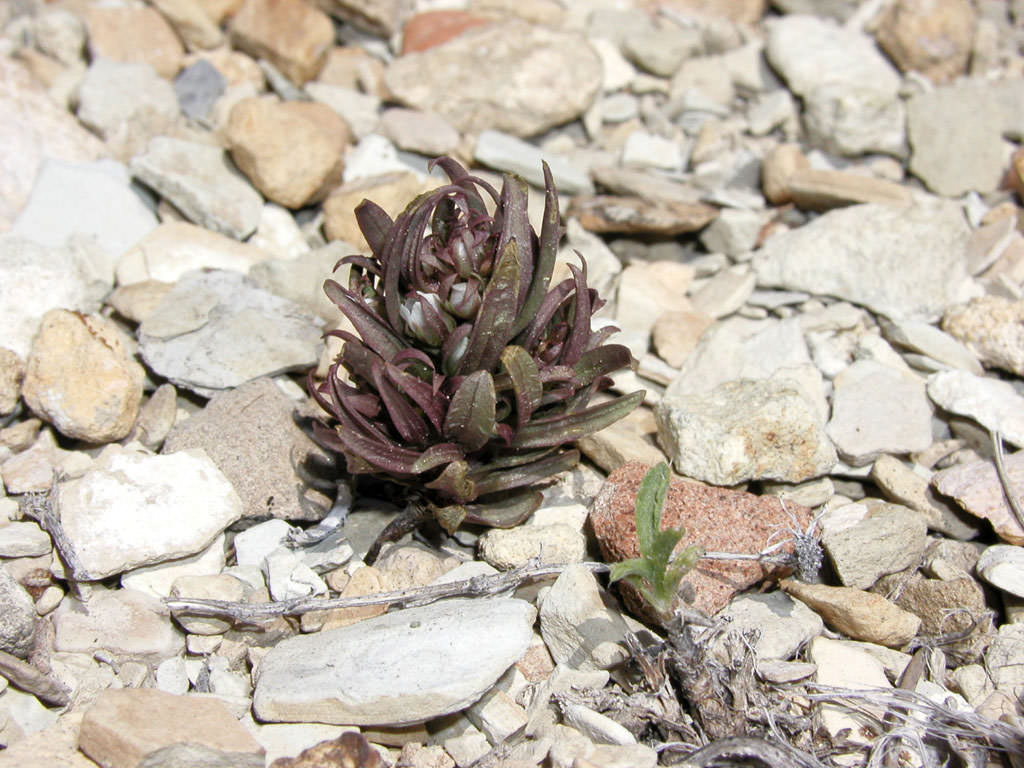
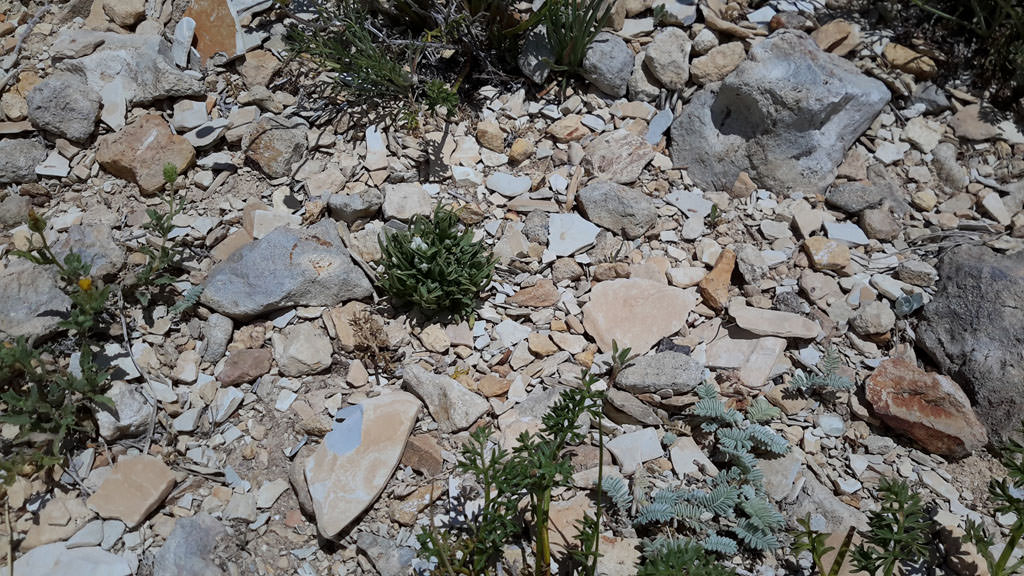
Clump-forming annual to 10 cm tall. Stems much branched and spreading to erect. Basal leaves elliptic to spatulate 5 to 20 mm long and 2 to 5 mm wide. Cauline leaves elliptic, oblong, or lanceolate; to 35 mm long. Funnel-form to campanulate flowers are solitary in the leaf axils or on short axillary branches. Corolla yellowish white or blue 7 to 16 mm long; the corolla lobes as long as the tube and with a single row of hairs forming a fringe inside. Capsules contain 6 or fewer seeds. Flowers nearly buried in the leaves (Welsh et al. 2003).
Look Alikes:
This species is unlike any other Colorado gentian (Spackman et al. 1997).
Phenology:
Flowers form in July and August; capsules form in August and September (Colorado Natural Heritage Program 2012).
Habitat
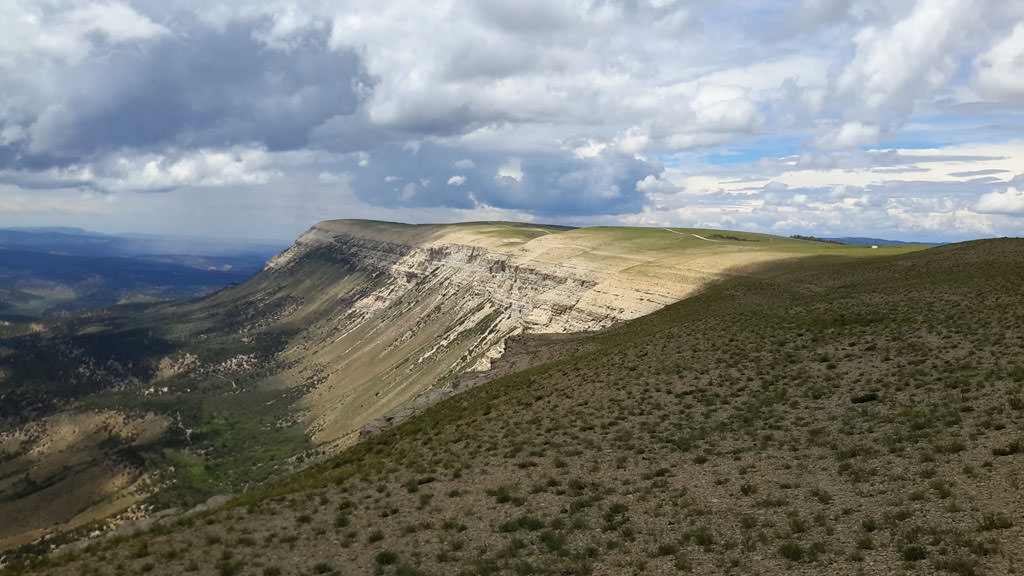
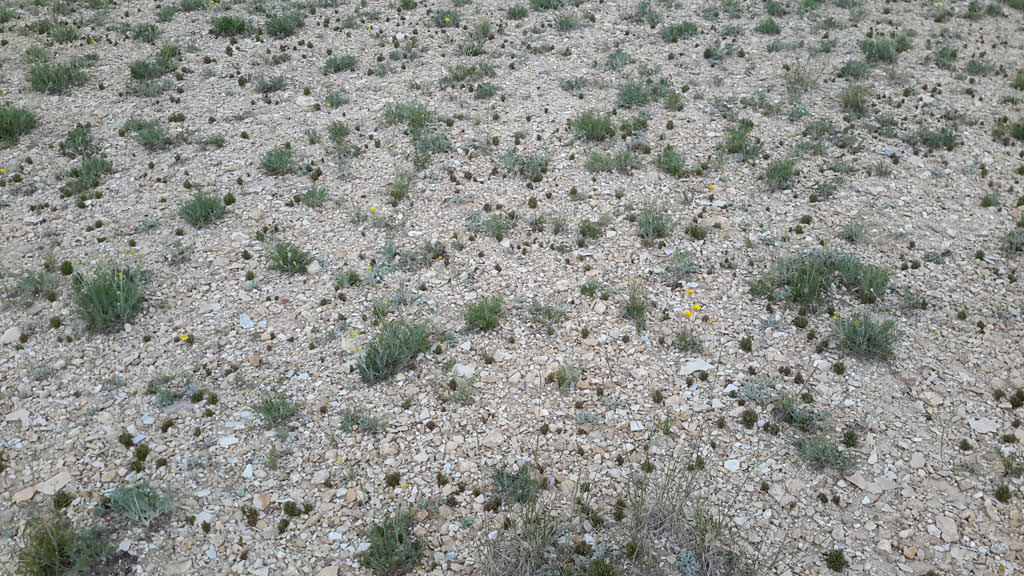
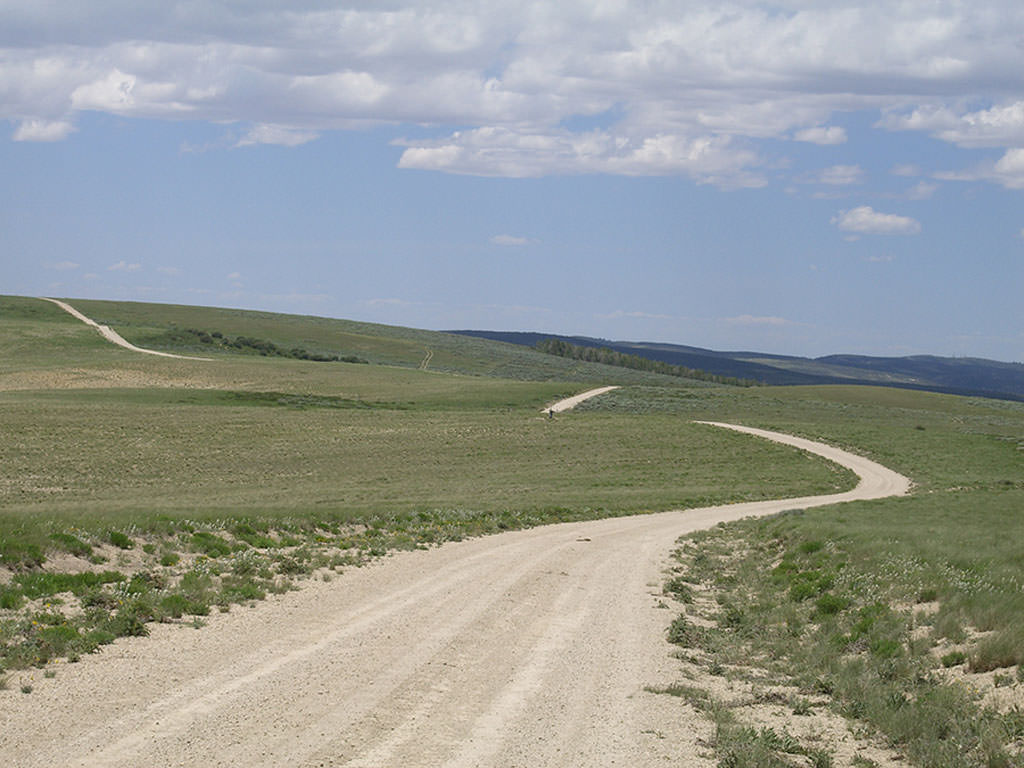
Green River Formation; barren shale knolls and slopes (Spackman et al. 1997, Ackerfield 2015). Associated taxa include: Gaillardia, Cryptantha stricta, Linum lewisii, Cirsium, Pseudoroegneria spicata, Astragalus spathulatus, Oryzopsis hymenoides, Mentzelia multicaulis, Aletes anisatus and Astragalus lutosus.
click on image to enlarge
 |
 |
 |
Elevation Range:
7,794 - 8,588 feet (2,376 - 2,618 meters)
Distribution
Colorado Endemic:
No
Range:
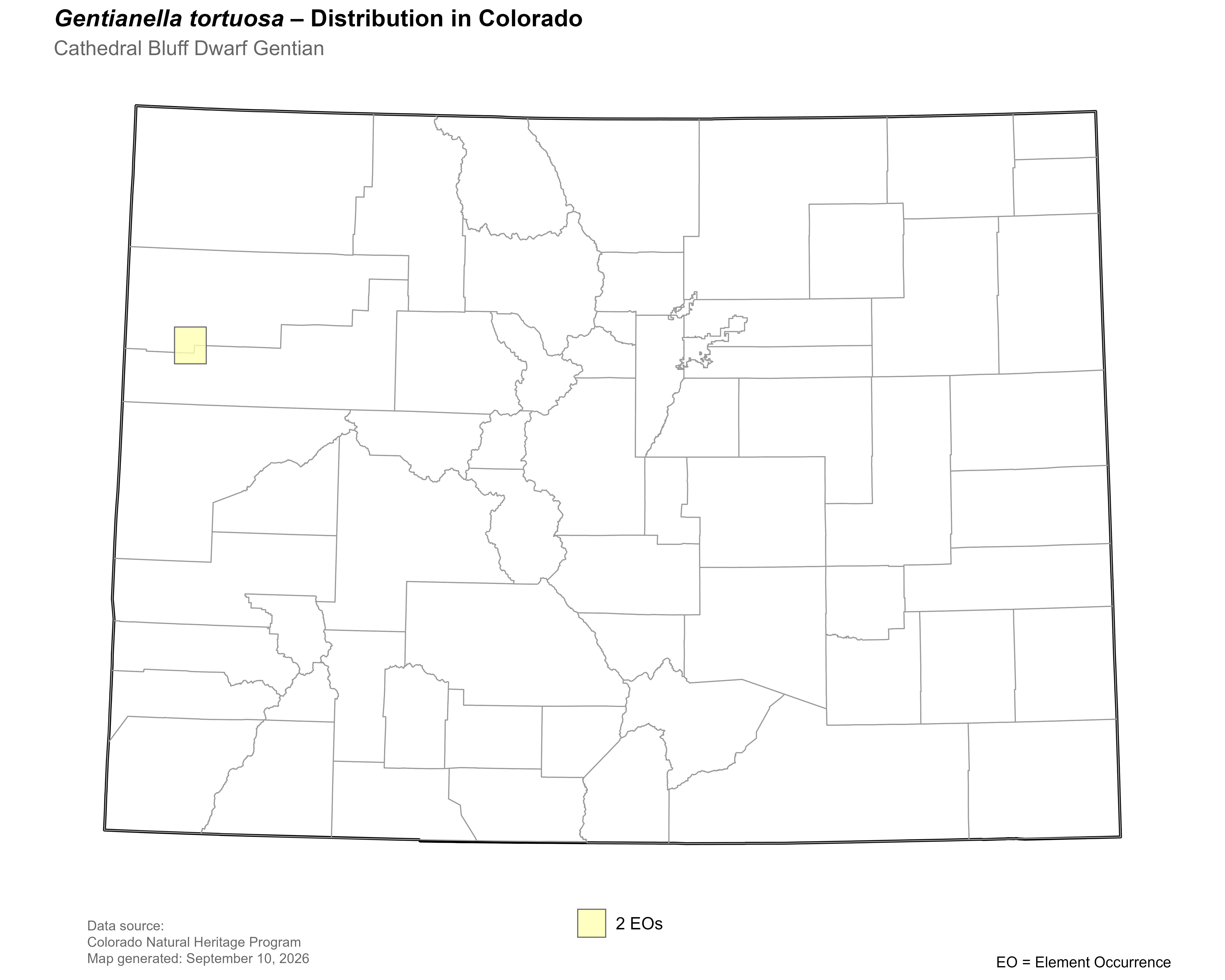
Gentianella tortuosa is known from Rio Blanco County in Colorado, USA. Estimated range extent in Colorado of 2 square kilometers was calculated in GeoCAT using occurrence data provided by the Colorado Natural Heritage Program (2023). This species can also be found in Nevada and Utah, USA.
Click on map to enlarge |
Threats and Management Issues
The Green River Formation habitat is threatened by oil and gas development throughout its range. One Colorado occurrence is close to a road and could suffer impacts from road maintenance. This species is considered to have low adaptive capacity and is expected to be extremely vulnerable to climate change under both RCP 4.5 and 8.5 scenarios, as assessed for the 2025 Colorado State Wildlife Action Plan (CNHP 2025).
References
- Ackerfield, J. 2015. Flora of Colorado. BRIT Press, Botanical Research Institute of Texas, Fort Worth, TX. 818 pp.
- Colorado Natural Heritage Program (CNHP). 2023. Biodiversity Tracking and Conservation System (Biotics 5). Colorado Natural Heritage Program, Colorado State University, Fort Collins.
- Colorado Natural Heritage Program (CNHP). 2025. Climate Change Vulnerability Assessment of Colorado Tier 1 and Tier 2 Plant Species of Greatest Conservation Need (SCGN) for the 2025 Colorado State Wildlife Action Plan. Colorado Natural Heritage Program, Colorado State University, Fort Collins, CO.
- Cronquist, A., A.H. Holmgren, N.H. Holmgren, J.L. Reveal, and P.K. Holmgren. 1984. Intermountain Flora: Vascular Plants of the Intermountain West, U.S.A. Vol. 4, Subclass Asteridae (except Asteraceae). New York Botanical Garden, Bronx. 573 pp.
- Gillett, J.M. 1957. A revision of the North American Species of Gentianella. Annals of the Missouri Botanical Garden Vol. 44:195-249.
- Goodrich, S. and E. Neese. 1986. Uinta Basin Flora. U.S.D.A. Forest Service, Ogden, UT.
- K. Decker, L. Grunau, J. Handwerk, and J. Siemers, editors. 2015. Climate Change Vulnerability Assessment for Colorado Bureau of Land Management. Colorado Natural Heritage Program, Colorado State University, Fort Collins, Colorado.
- Kartesz, J.T. 1994. A synonymized checklist of the vascular flora of the United States, Canada, and Greenland. 2nd edition. 2 vols. Timber Press, Portland, OR.
- Peterson, J.S. and W.L. Baker. 1983. Inventory of the Piceance Basin, Colorado: Threatened and endangered plants, plant associations, and the general flora. Journal of the Colorado-Wyoming Academy of Science 15(1):42-43 (Abstract).
- Spackman, S., B. Jennings, J. Coles, C. Dawson, M. Minton, A. Kratz, and C. Spurrier. 1997. Colorado rare plant field guide. Prepared for Bureau of Land Management, U.S. Forest Service and U.S. Fish and Wildlife Service by Colorado Natural Heritage Program.
- USDA, NRCS. 2022. The PLANTS Database. National Plant Data Team, Greensboro, NC 27401-4901 USA.
- Weber, W. A. and R. C. Wittmann. 2012. Colorado Flora, Western Slope, A Field Guide to the Vascular Plants, Fourth Edition. Boulder, Colorado. 532 pp.
- Welsh, S.L., N.D. Atwood, S. Goodrich and L.C. Higgins. (Eds.) 2003. A Utah Flora. 3rd edition. Brigham Young University, Provo, Utah, U.S.A. 912 pp.
Biotics Export Date : September, 2026


