

Scientific Name : Eriogonum exilifolium
Author : Reveal NatureServe Explorer
Common Name : Dropleaf Buckwheat
 Current Research Activities


☰ Click link below for details.
Taxonomy
Polygonaceae (buckwheat family)
Ranks and Status
State Rank : S3
State Rank Reason : Eriogonum exilifolium is known from approximately 25 occurrences in North Park and surrounding areas, with low to moderate levels of threats from livestock grazing, energy extraction, OHV use, competition from invasive species and long-term drought. This species is considered to have moderate adaptive capacity and is expected to be slightly vulnerable to climate change.
U.S. Endangered Species Act : none
Colorado Threatened and Endangered List : none
Other Statuses : SWAP Tier 2, USFS
Description and Phenology
General Description:
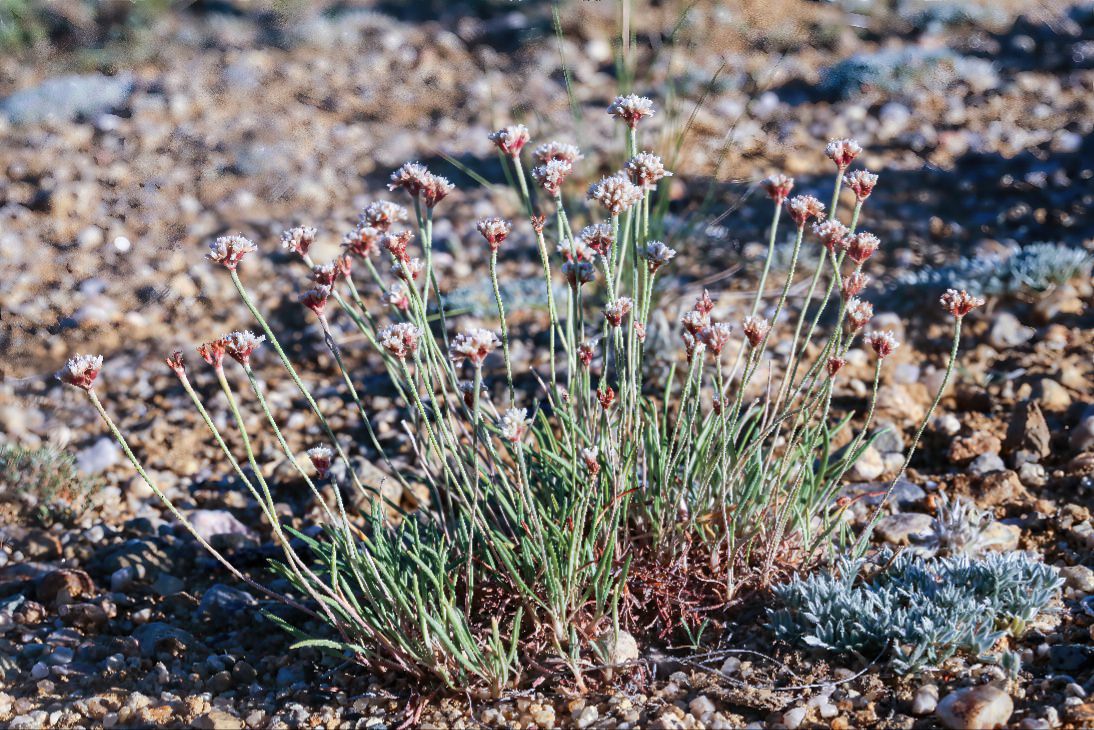
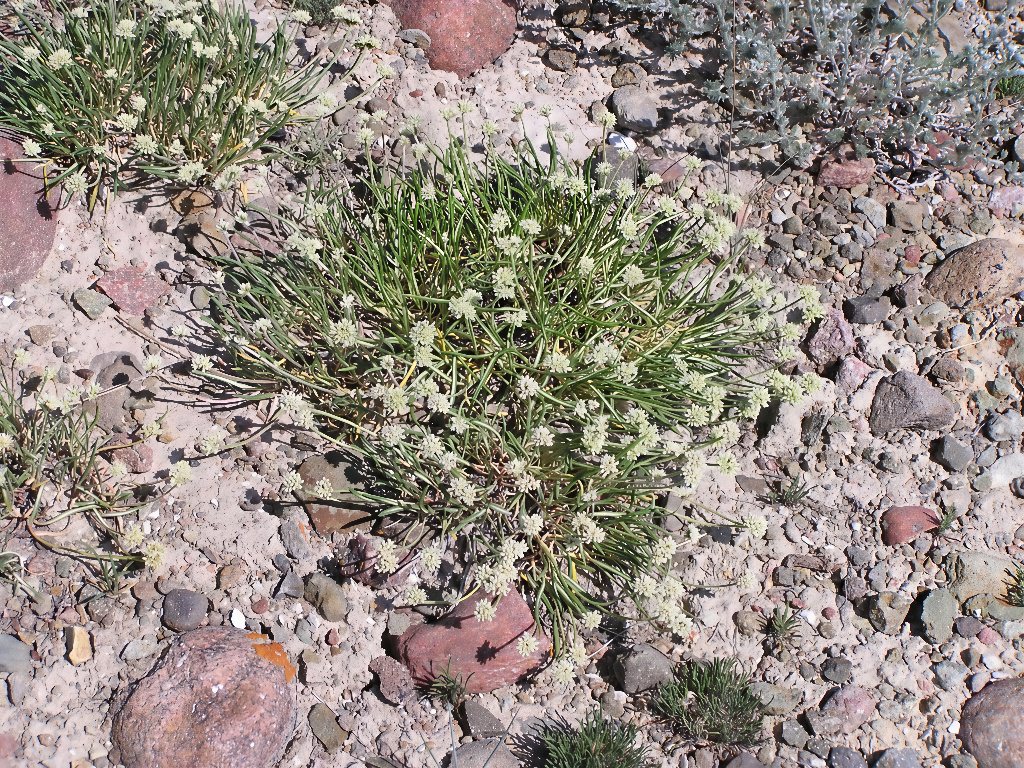
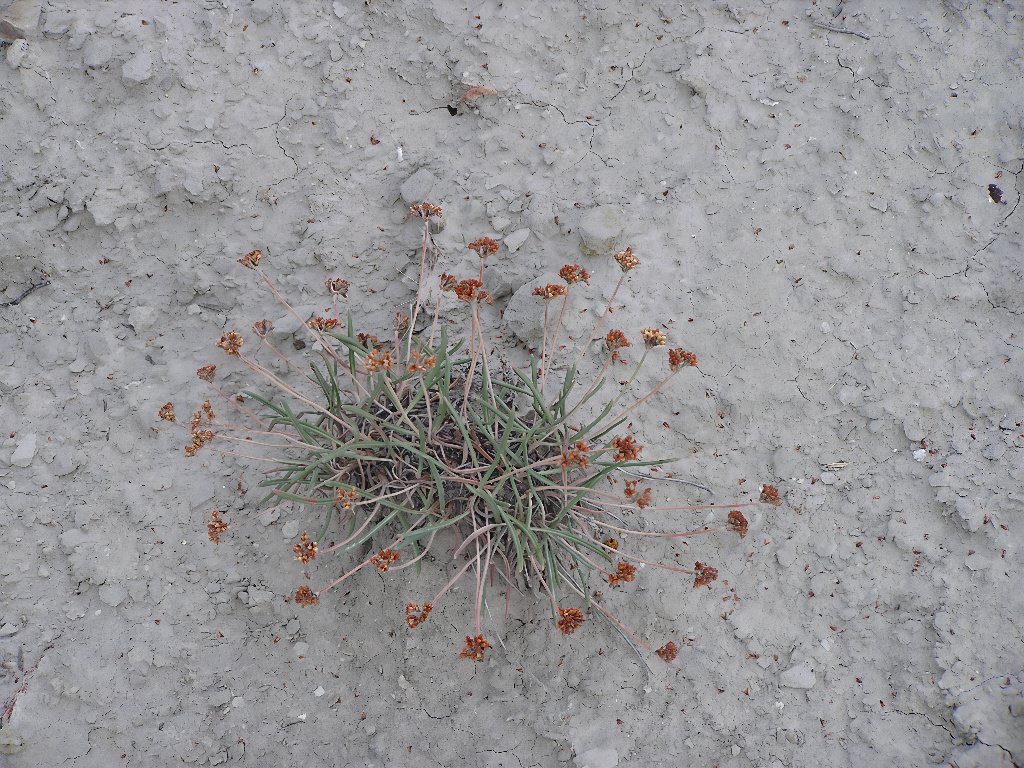
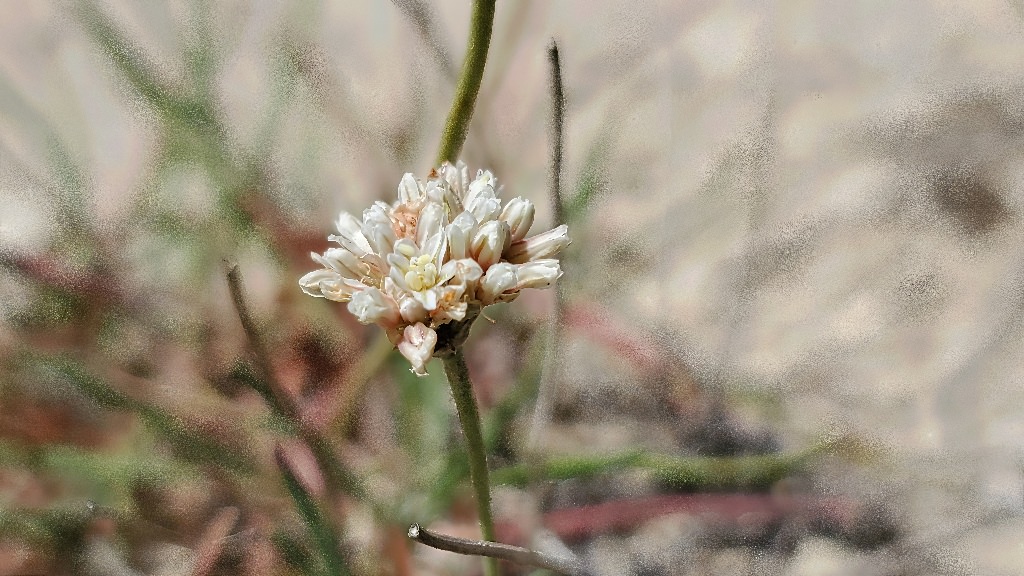
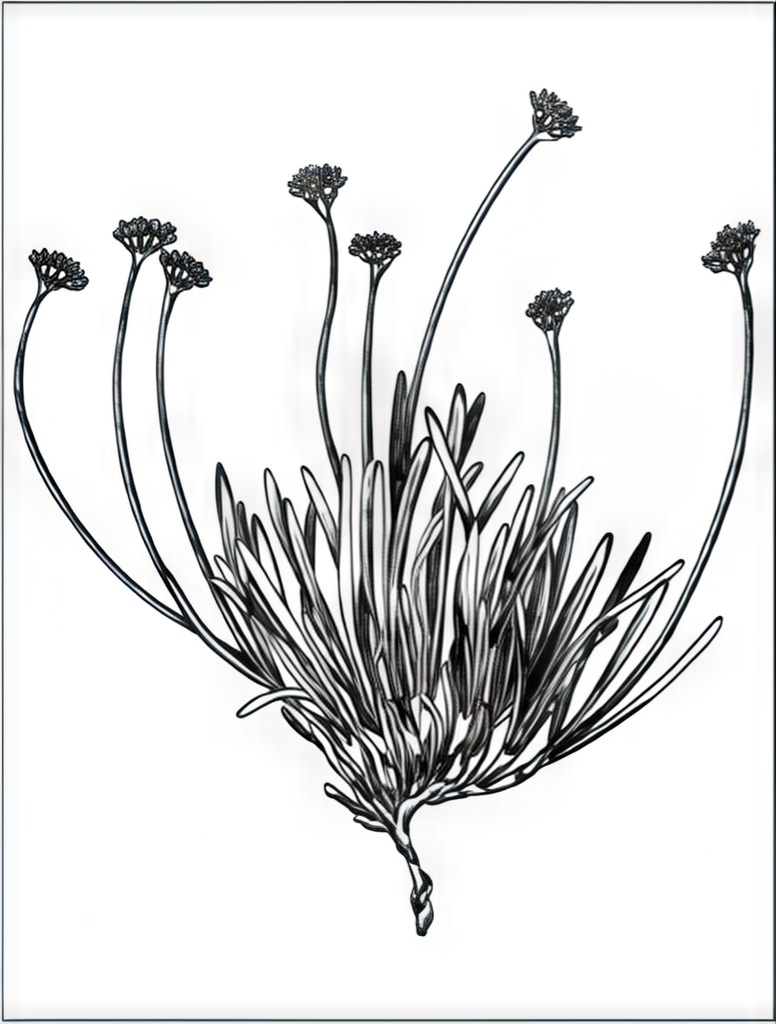
Eriogonum exilifolium is a tap-rooted perennial herb forming dense mats 10-20 cm across. Stems are spreading, usually with persistent leaf bases, caudex stems matted, aerial flowering stems mostly erect; leaves are all basal with narrowly linear blades 1-2.5 mm wide and 3- 6 cm long. Leaf blades are green and nearly glabrous above and densely white-woolly below with smooth slightly inrolled margins. The inflorescence is a compact umbellate head of 3-7 involucres borne on sparsely woolly stems 3- 10 cm long. Each involucre is 2.5-3.5 mm long and 5-lobed. Perianth segments are white to rose colored, glabrous, 2-3.5 mm long, and lack a stipe-like base. Fruits are 3- angled, brown achenes 2-3.5 mm long (FNA 2005, Dorn 1992; Fertig and Jones 1997; Reveal 1967, 1969).
Look Alikes:
Eriogonum pauciflorum has wider leaves with grayish-white pubescence on the upper and lower surfaces and hairy perianth segments. E. ovalifolium has broadly oval, gray-woolly leaf blades and typically has longer flowering stems (Dorn 1992).
Phenology:
This taxon flowers from June to August (Ackerfield 2022).
 |
Habitat
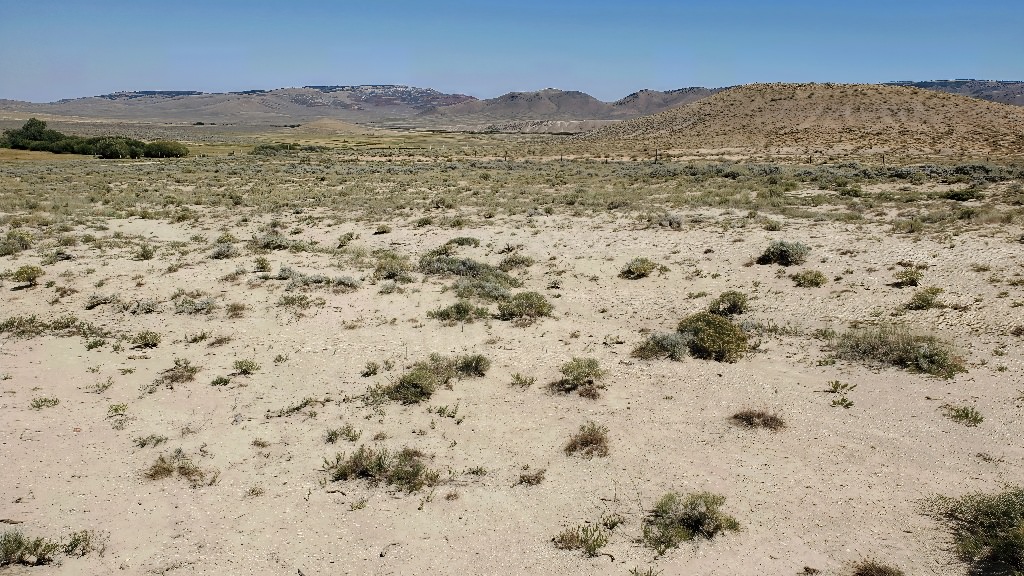
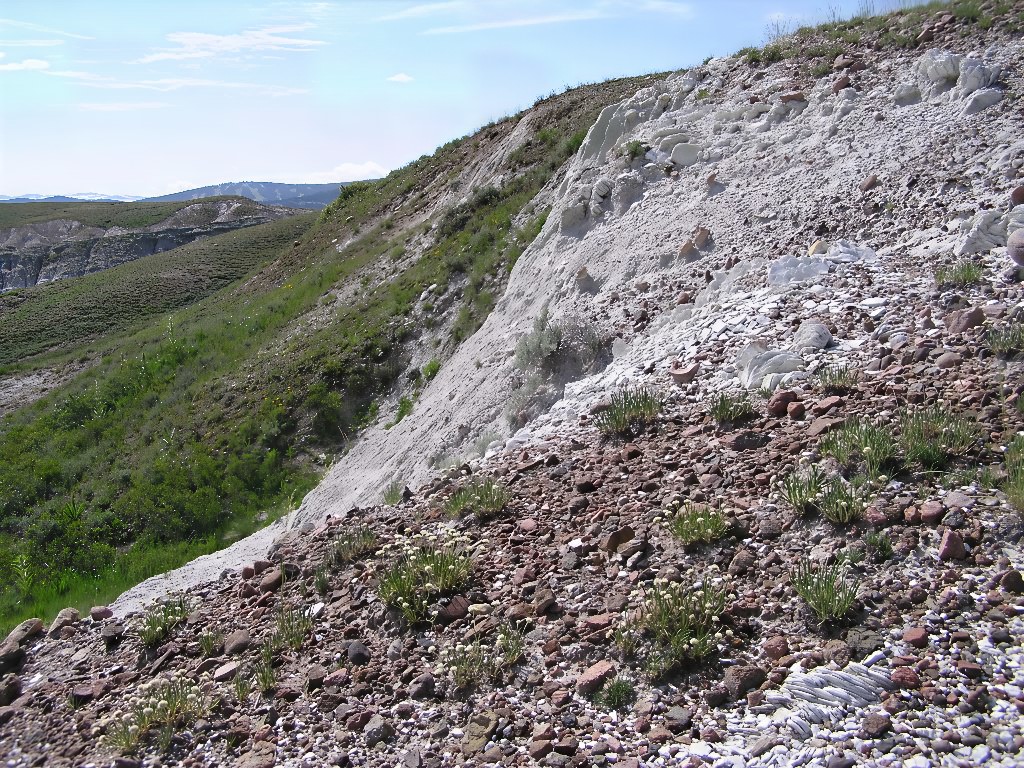
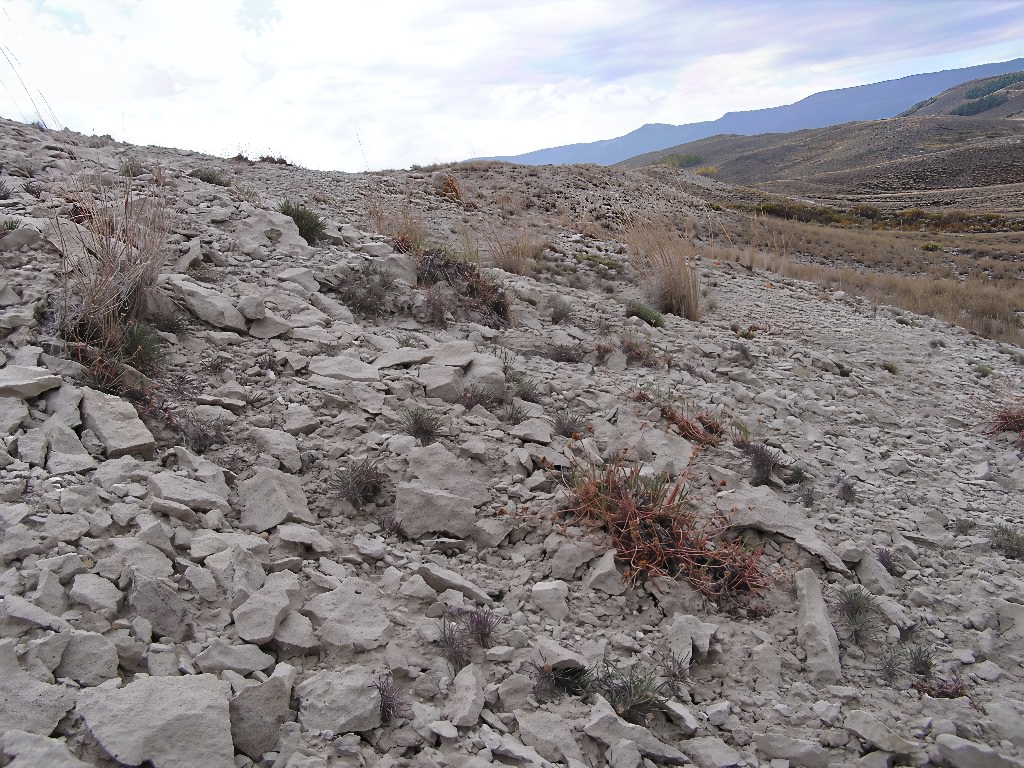
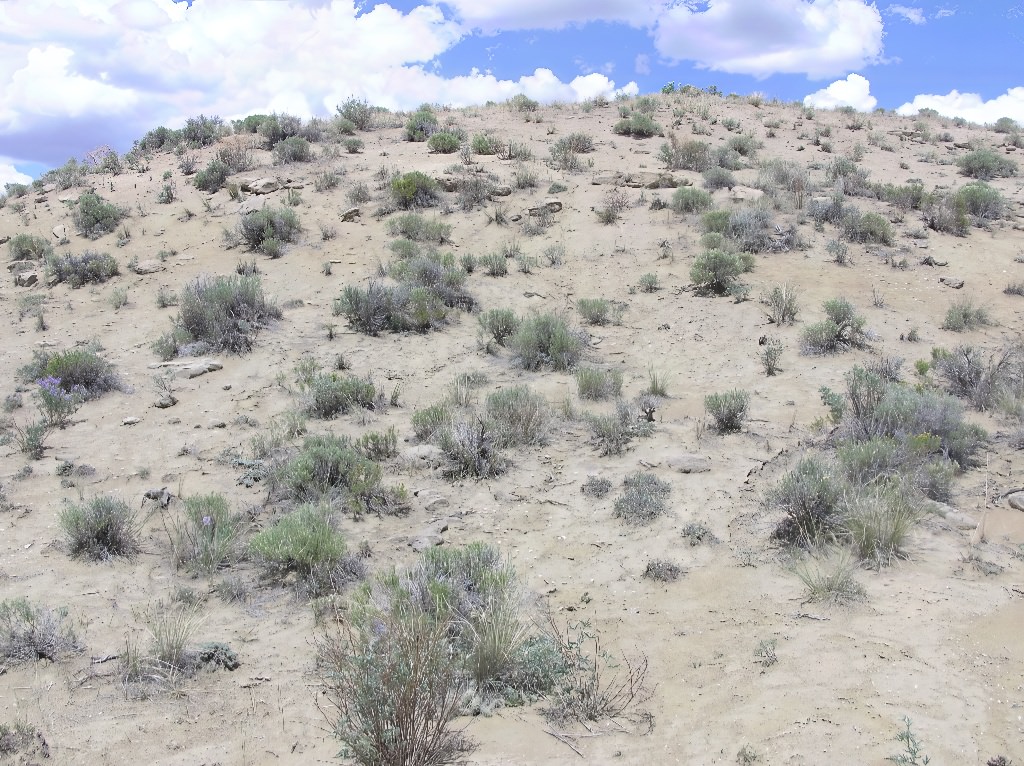
Known from clay hills and flats or granitic sandy slopes, mixed grassland and sagebrush shrublands (FNA Vol. 5, 2005), Eriogonum exilifolium is occasionally the dominant plant in barren open clay hills. Associated species include: Chrysothamnus viscidiflorus, Gutierizzia sarothrae, Artemisia frigida, Artemisia tridentata ssp. wyomingensis, Astragalus tenellus, Astragalus kentrophyta, Chaenactis douglasii, Comandra umbellatum, Ericoma hymenoides, Phlox hoodii, Pseudoroegneria spicata, Penstemon caespitosus, Physaria acutifolia and Tetradymia canescens (CNHP 2026).
click on image to enlarge
 |
 |
 |
 |
Elevation Range:
7,818 - 8,766 feet (2,383 - 2,672 meters)
Distribution
Colorado Endemic:
No
Range:
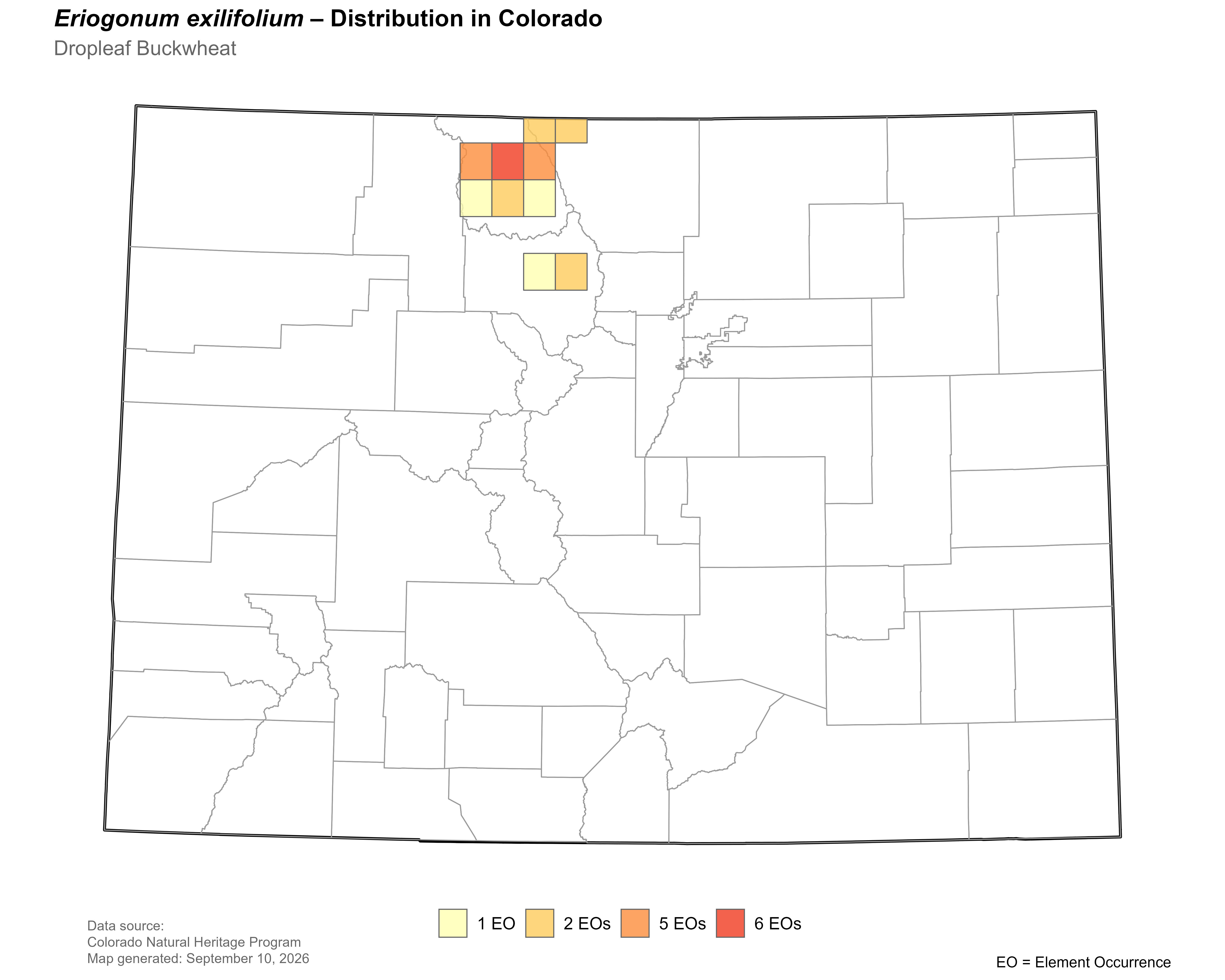
Eriogonum exilifolium is known from Jackson, Larimer and Grand counties in Colorado, USA. Estimated range extent in Colorado of 3,831 square kilometers was calculated in GeoCAT using occurrence data provided by the Colorado Natural Heritage Program (2026). This species can also be found in Wyoming, USA.
Click on map to enlarge |
Threats and Management Issues
As of 2025, only a third of the occurrences document the management concerns and/or conditions of the species habitat. Six occurrences do report livestock grazing within occupied habitat resulting in trampling of plants and soil. Low levels of OHV use have been reported at two locations. The invasive plant Cirsium arvense has been documented at several occurrences. Several occurrences have two-track dirt roads through them and there are also a few populations growing in road cuts where Salsola has been noted along the road. However, E. exilifolium seems to tolerate these moderately disturbed sites. Rangewide, there are moderate threats to the species from on-going and future oil and gas drilling activities. This species is considered to have moderate adaptive capacity and is expected to be slightly vulnerable to climate change under both RCP 4.5 and 8.5 scenarios, as assessed for the 2025 Colorado State Wildlife Action Plan (CNHP 2025).
References
- Anderson, D.G. 2006. January 27 last update. Eriogonum exilifolium Reveal (dropleaf buckwheat): a technical conservation assessment. USDA Forest Service, Rocky Mountain Region. Online. Available: https://www.fs.usda.gov/Internet/FSE_DOCUMENTS/stelprdb5206851.pdf (accessed 19 November 2018).
- Colorado Natural Heritage Program (CNHP). 2025. Climate Change Vulnerability Assessment of Colorado Tier 1 and Tier 2 Plant Species of Greatest Conservation Need (SCGN) for the 2025 Colorado State Wildlife Action Plan. Colorado Natural Heritage Program, Colorado State University, Fort Collins, CO.
- Colorado Natural Heritage Program (CNHP). 2026. Biodiversity Tracking and Conservation System (Biotics 5). Colorado Natural Heritage Program, Colorado State University, Fort Collins.
- Dorn, R. D. 1992. Vascular Plants of Wyoming. Mountain West Publishing, Cheyenne, WY.
- Fertig, W. and G. Jones. 1997. Plant species of special concern and plant associations of the Shirley Mountains ecosystem Carbon County, Wyoming. Unpublished report prepared for the Bureau of Land Management Wyoming State Office by the Wyoming Natural Diversity Database, Laramie, WY.
- Flora of North America Editorial Committee (FNA). 2005. Flora of North America north of Mexico. Vol. 5. Magnoliophyta: Caryophyllidae: Caryophyllales, Polygonales, and Plumbaginales. Oxford Univ. Press, New York. vii + 656 pp.
- Reveal, J.L. 1967a. Notes on Eriogonum III on the Status of Eriogonum pauciflorum Pursh. The Great Basin Naturalist 27(2):114-117.
- Reveal, J.L. 1967b. Subgeneric Concept in Eriogonum (Polygonaceae). American Journal of Botany 54:630.
- Reveal, J.L. 1969. A revision of the genus Eriogonum (Polygonacae). Unpublished doctoral dissertation, Brigham Young University, Provo, UT.