

Scientific Name : Draba ventosa
Author : Gray NatureServe Explorer
Common Name : Wind River Draba
 Current Research Activities


☰ Click link below for details.
Taxonomy
Brassicaceae (mustard family)
Ranks and Status
State Rank : S2
State Rank Reason : Draba ventosa is known from less than 10 occurrences within a restricted range in the alpine region of south central Colorado, USA. Potential threats may arise from non motorized recreation within its habitat. Draba ventosa is considered to have moderate adaptive capacity and is expected to be slightly to moderately vulnerable to climate change.
U.S. Endangered Species Act : none
Colorado Threatened and Endangered List : none
Other Statuses : SWAP Tier 2
Description and Phenology
General Description:
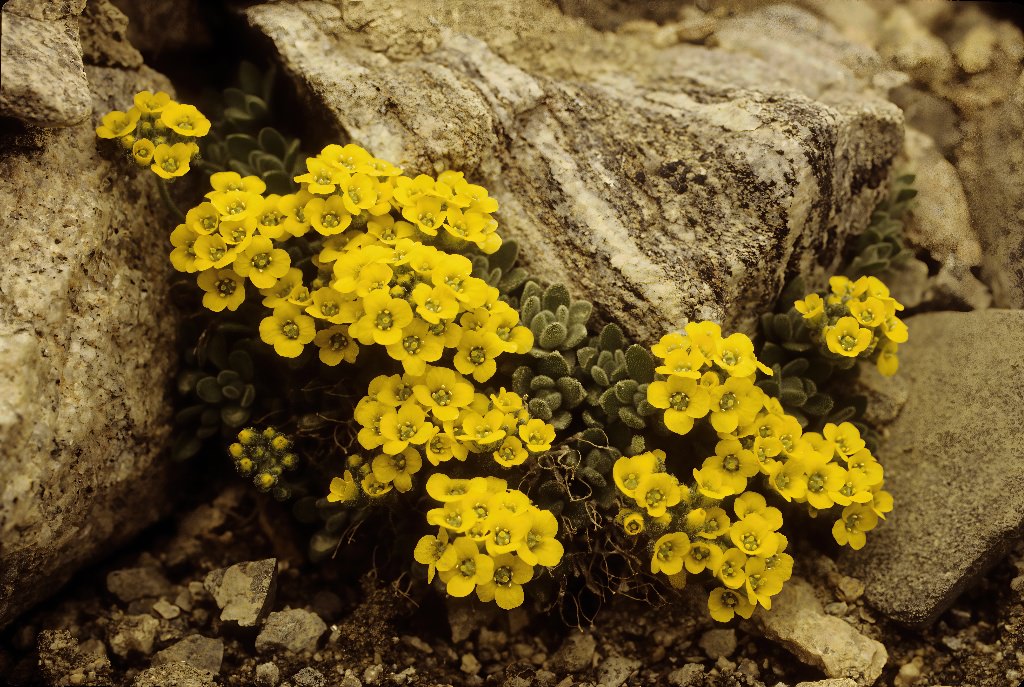
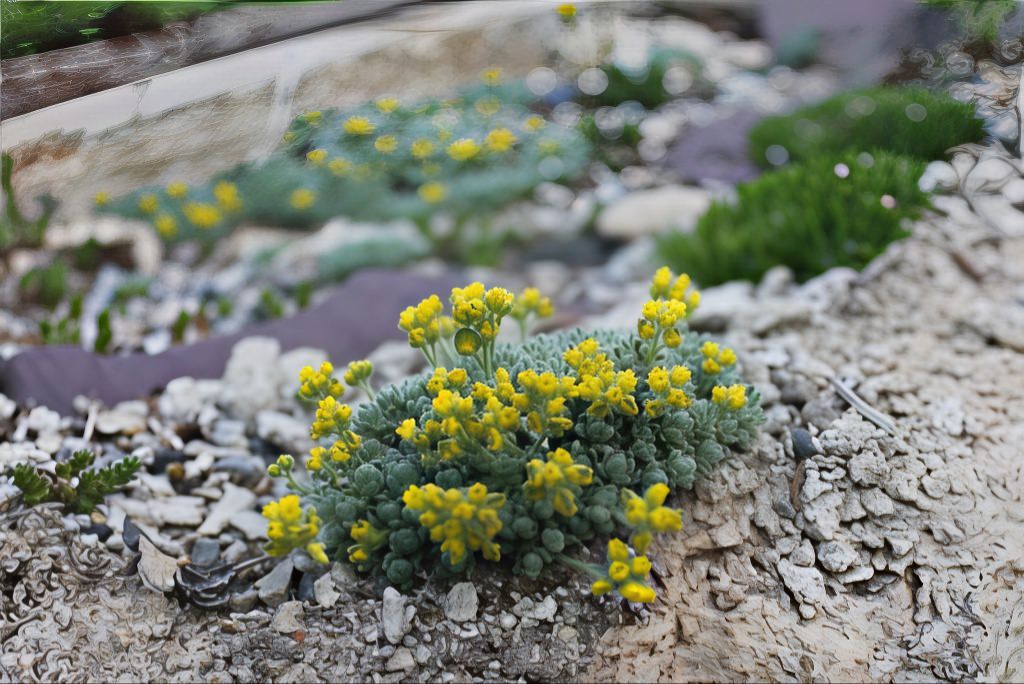
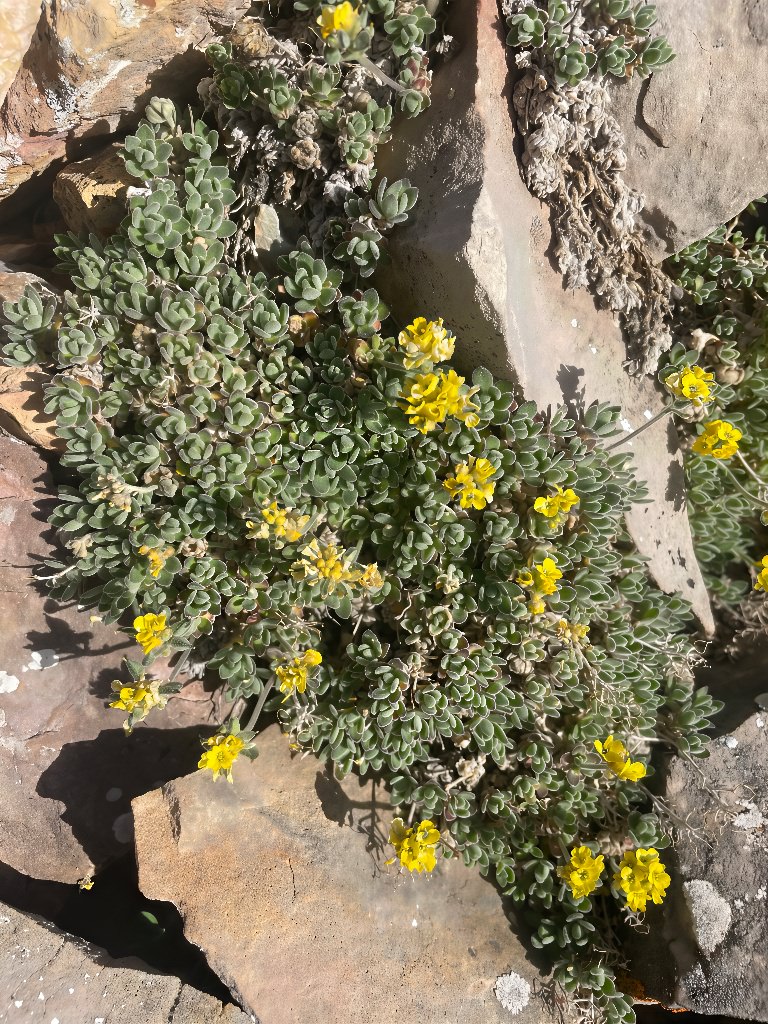
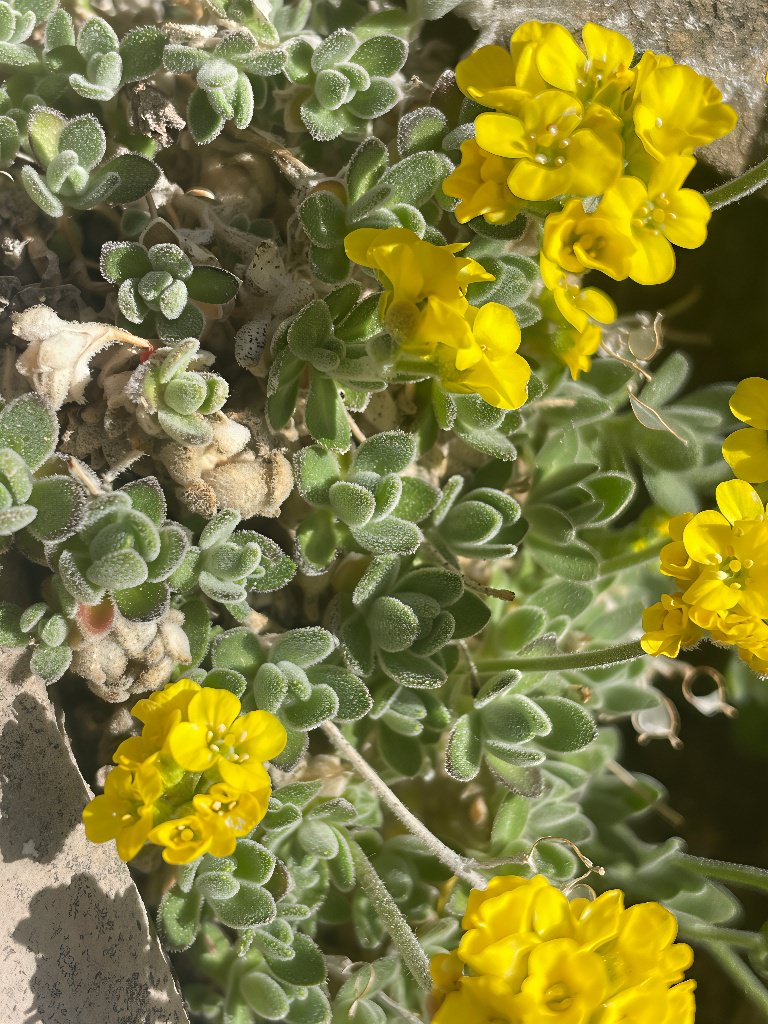
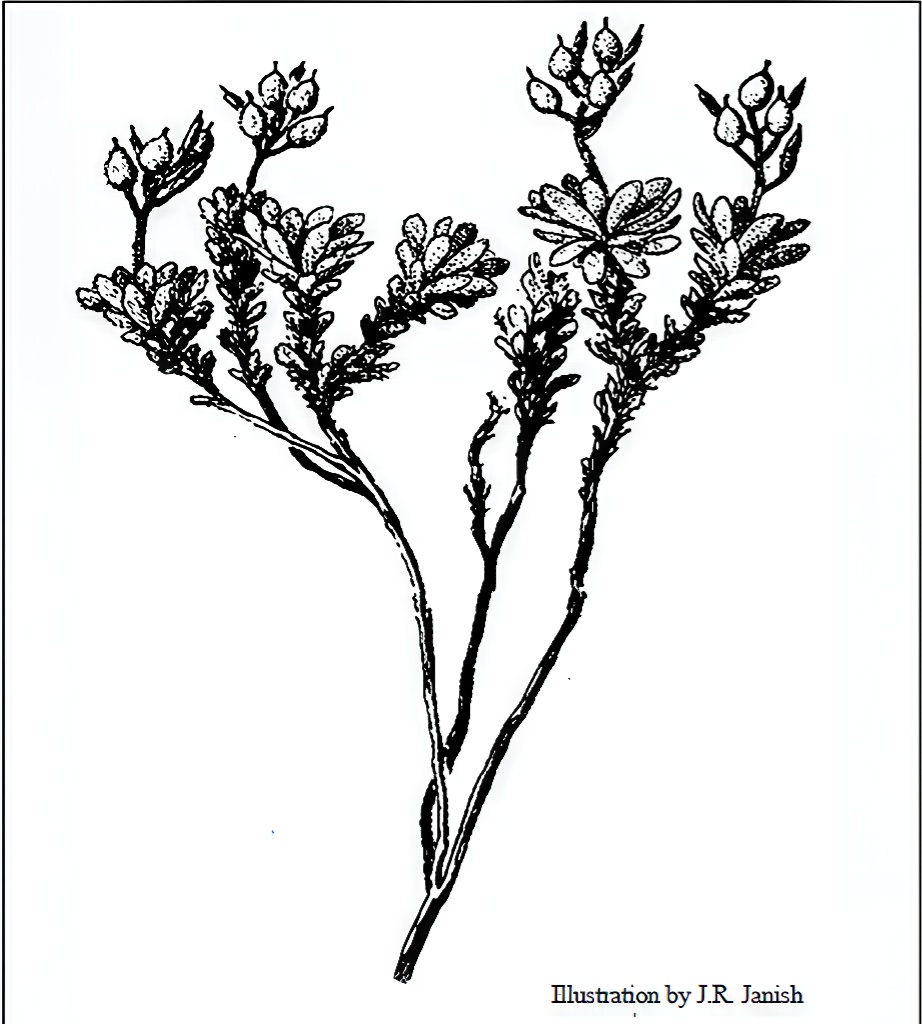
Draba ventosa is a mat-forming perennial with rosettes of leaves at the ends of numerous root crown branches which are covered with old leaf bases. The leafless stems are 2-4 cm high and arise from some of the rosettes. The fleshy, narrowly egg-shaped leaves are 5-12 mm long and 2-4 mm wide, have entire margins, and are densely covered with branched hairs, giving the leaves a silvery green appearance. 3-20 stalked flowers are borne at the tops of the stems. Each flower has 4 separate sepals, 4 separate, yellow petals that are 4-5 mm long, and 4 long and 2 short stamens. The style is 1.0-1.5 mm long. The hairy, flattened, egg-shaped capsules are 5-8 mm long and are borne on ascending to spreading stalks that are as long as the capsule (MNHP 2026).
Look Alikes:
In Colorado there are many similar appearing, yellow-flowered, mat-forming species of Draba that co-occur with Draba ventosa such as D. exunguiculata and Draba grayana (CNHP 2026). A technical manual and hand lens or microscope are required for positive identification.
Phenology:
Flowers from late July through August and sets fruit in mid August (Ackerfield 2022).
 |
Habitat
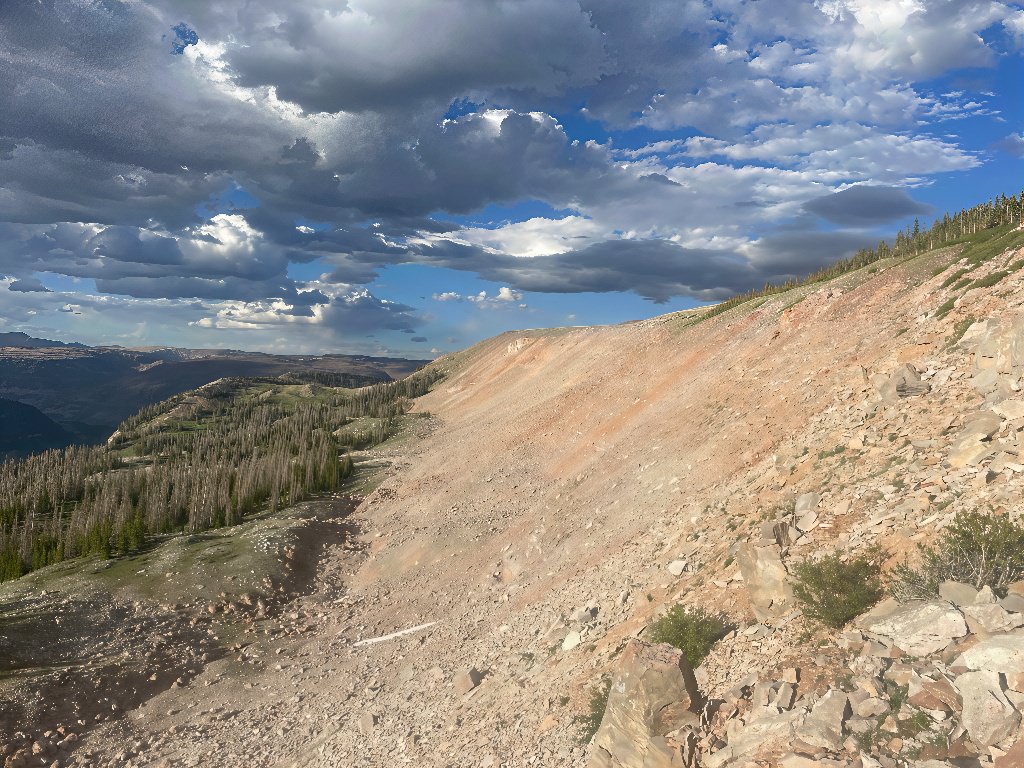
Draba ventosa is found predominantly in the alpine zone, sometimes subalpine (occurs near or above treeline) on talus, scree slopes, and slides; in alpine fell-fields, on cliffs and at the base of cliffs, on ridges and on summits. Often but not always found on limestone parent material. Associated vegetation may include alpine tundra or dry subalpine meadows (MNHP 2026). Associated species include Claytonia megarhiza, Erigeron simplex, Draba albertina, Draba crassa, Draba crassifolia, Draba grayana, Draba exunguiculata, Geum rossii, Potentilla subgorodkovii, Poa glauca, Trifolium nanum and Oxytropis splendens (CNHP 2026).
click on image to enlarge
 |
Elevation Range:
10,863 - 14,022 feet (3,311 - 4,274 meters)
Distribution
Colorado Endemic:
No
Range:
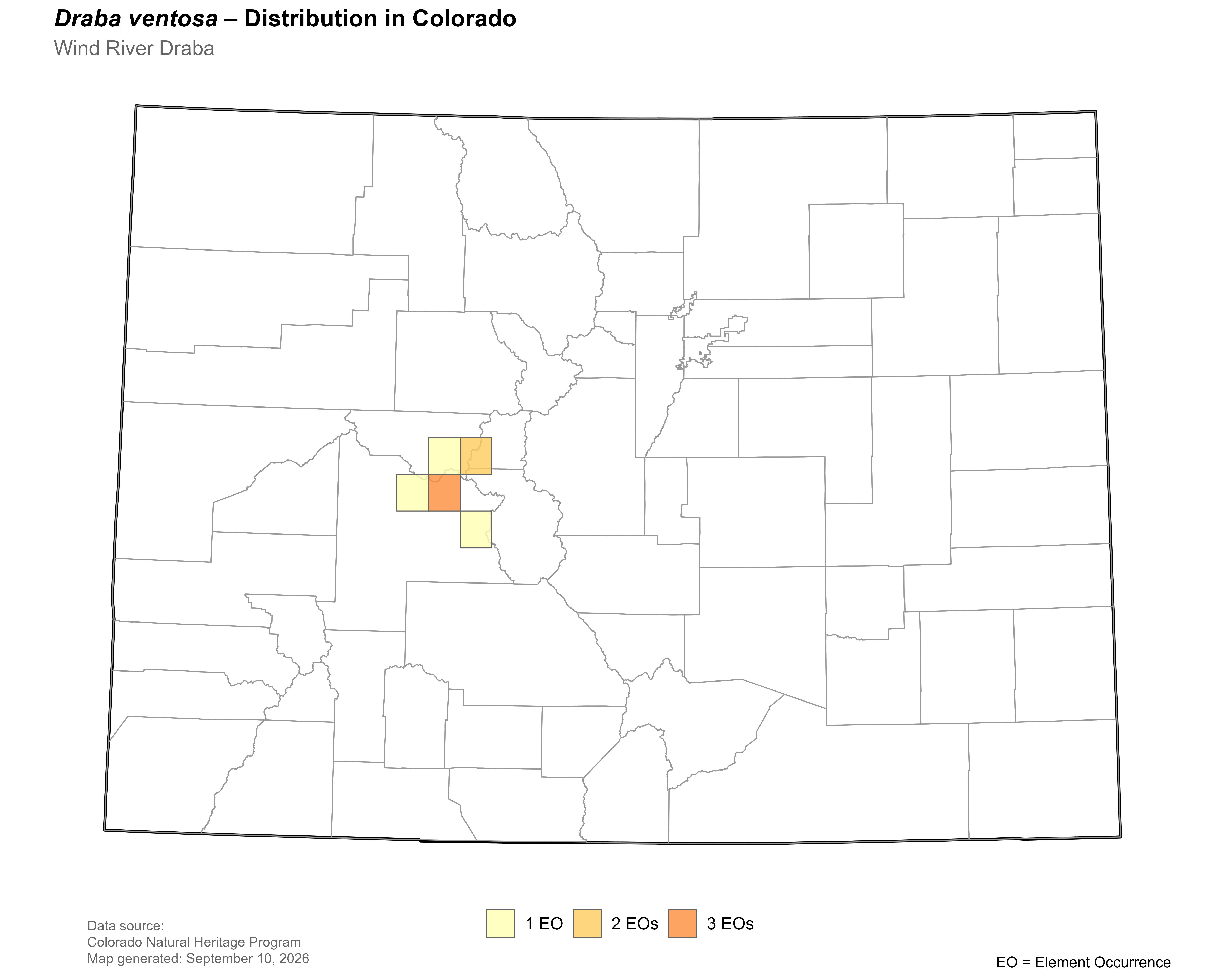
Draba ventosa is known from Chaffee, Gunnison, Lake, and Pitkin counties, Colorado. Estimated range extent in Colorado of 940 square kilometers was calculated in GeoCAT using occurrence data provided by the Colorado Natural Heritage Program (2026). This species can also be found in Montana, Utah, and Wyoming, USA. In Canada, this species can be found in Alberta, British Columbia, and Yukon Territory.
Click on map to enlarge |
Threats and Management Issues
Potential threats to Draba ventosa in Colorado are not well documented, with only one of the occurrences commenting on site conditions and/or management concerns. That occurrence reports that "hiker impacts pose a significant threat" with unofficial trails passing through the center of the habitat (CNHP 2025). Other locations may be threatened by recreational use as well as introduced mountain goats, and invasive weeds (Ladyman 2004). This species is considered to have moderate adaptive capacity and is expected to be slightly to moderately vulnerable to climate change under both RCP 4.5 and 8.5 scenarios, as assessed for the 2025 Colorado State Wildlife Action Plan (CNHP 2025).
References
- Ackerfield, Jennifer. 2022. Flora of Colorado. Second Edition. Bot. Misc. 60. BRIT Press, Fort Worth Botanic Garden/Botanical Research Institute of Texas, U.S.A. 861 pp.
- Colorado Natural Heritage Program (CNHP). 2025. Climate Change Vulnerability Assessment of Colorado Tier 1 and Tier 2 Plant Species of Greatest Conservation Need (SCGN) for the 2025 Colorado State Wildlife Action Plan. Colorado Natural Heritage Program, Colorado State University, Fort Collins, CO.
- Colorado Natural Heritage Program (CNHP). 2026. Biodiversity Tracking and Conservation System (Biotics 5). Colorado Natural Heritage Program, Colorado State University, Fort Collins.
- Flora of North America Editorial Committee. 2010. Flora of North America North of Mexico, Vol. 7, Magnoliophyta: Salicaceae to Brassicaceae. Oxford University Press, New York.
- Ladyman, J.A.R. 2004. April 16 last update. Draba ventosa A. Gray (Wind River draba): a technical conservation assessment. USDA Forest Service, Rocky Mountain Region. Online. Available: http://www.fs.fed.us/r2/projects/scp/assessments/drabaventosa.pdf (accessed 9 February 2009).
- Montana Natural Heritage Program. 2026. Wind River Draba — Draba ventosa. Montana Field Guide. Retrieved on March 17, 2026, from https://FieldGuide.mt.gov/speciesDetail.aspx?elcode=PDBRA112N0
Biotics Export Date : September, 2026