

Scientific Name : Aristida basiramea
Author : Engelm. ex Vasey NatureServe Explorer
Common Name : Forktip Threeawn
 Current Research Activities


☰ Click link below for details.
Taxonomy
Poaceae (grass family)
Some specimens of A. basiramea var. curtissii have been annotated to A. dichotoma.
Ranks and Status
State Rank : S2
State Rank Reason : Aristida basiramea is known from 17 occurrences in Boulder, Douglas, Jefferson, and Larimer counties, Colorado, USA. Threats to the species in Colorado include habitat loss or disturbance from urban expansion, extraction of sand, and use by all-terrain vehicles. The suppression of disturbances such as fire, and the planting of conifers, are also altering the nature of some of the existing habitat. The effects of climate change on this species are poorly understood.
U.S. Endangered Species Act : none
Colorado Threatened and Endangered List : none
Other Statuses : none
Description and Phenology
General Description:
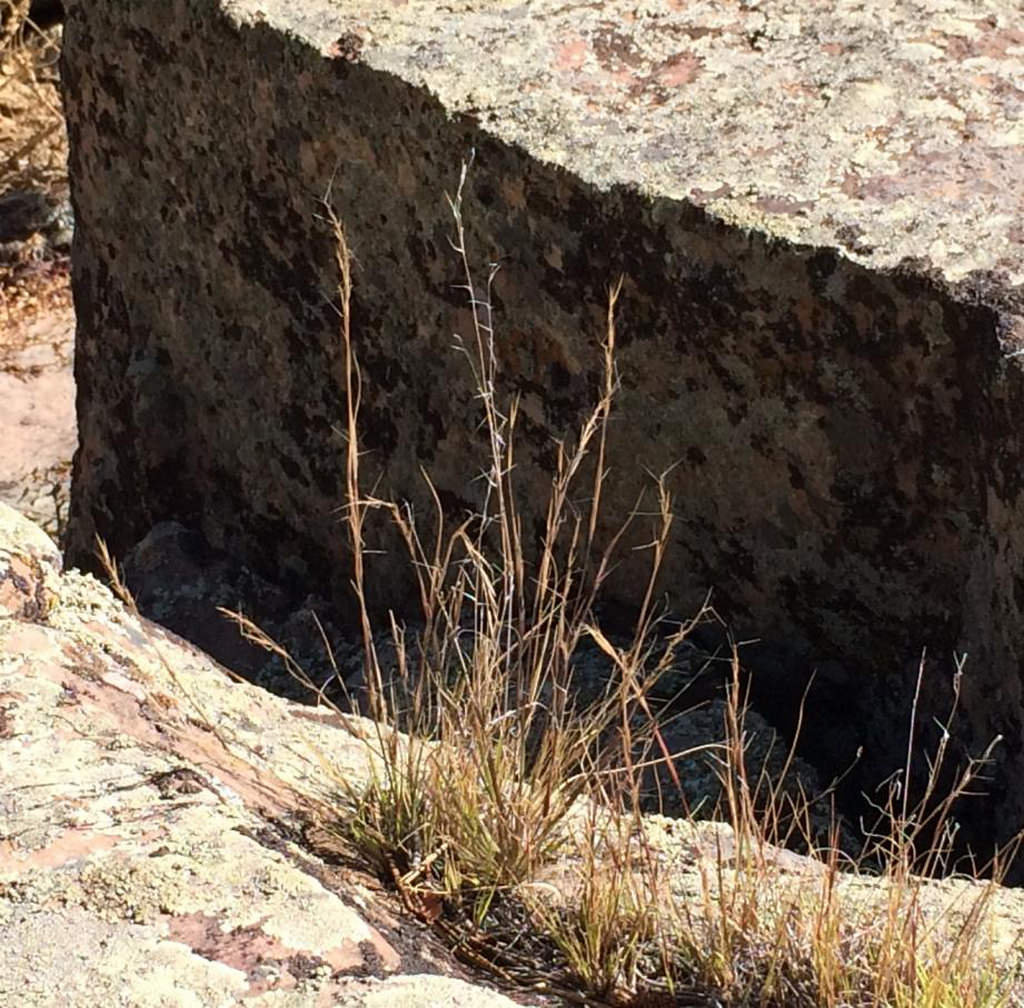
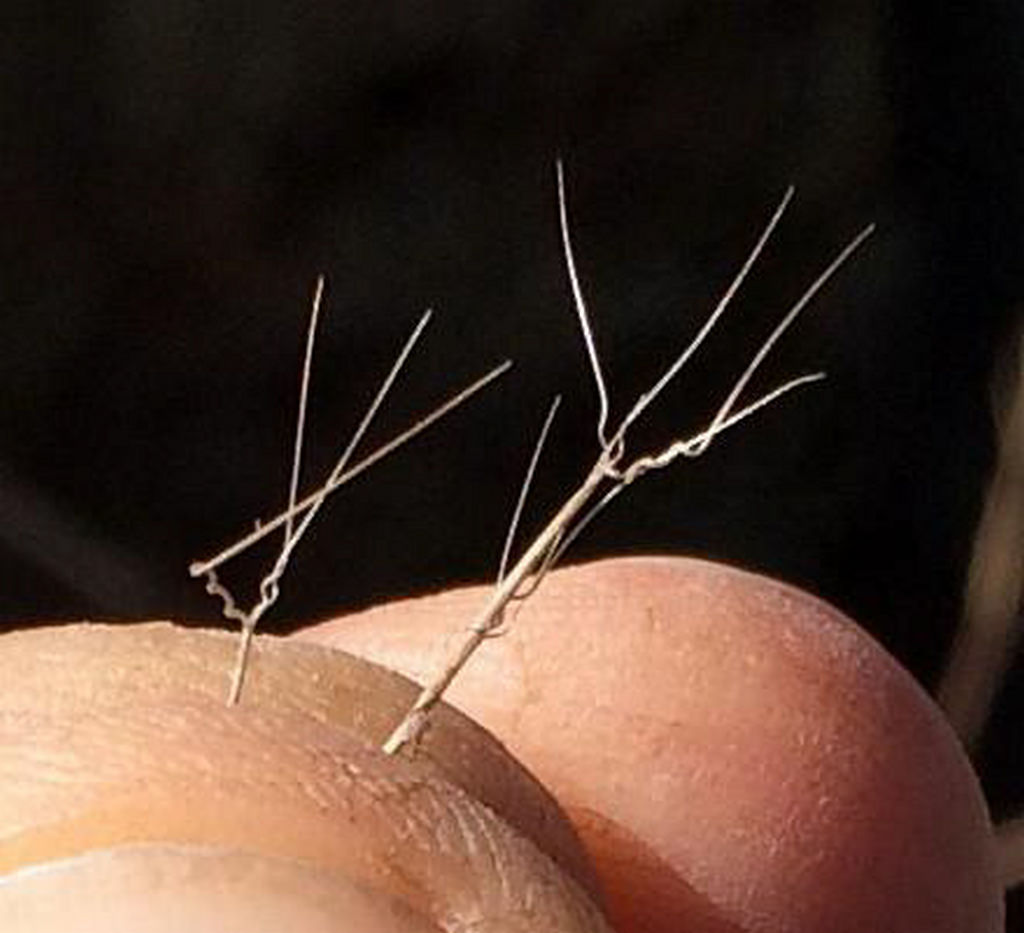
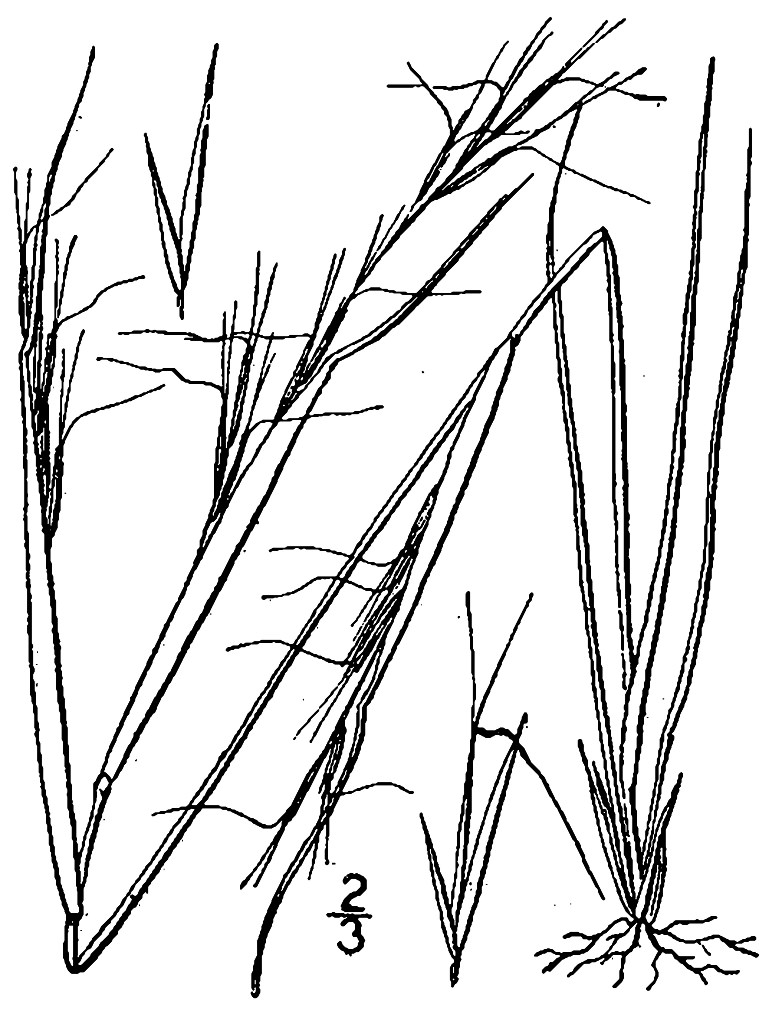
Annual grass that grows 25 to 50 cm tall. It is branched at the base and grows in tufts or dense clumps. The stems are wiry and often rough; the leaves are 5 to 15 cm long and less than 1 mm wide. The root system is shallow. Plants produce mostly cleistogamous flowers in Colorado. Ligules are about 0.3 mm long. Inflorescences are racemose or paniculate, 2-10 cm long, 1-2 cm wide, with few spikelets. Glumes are 1-veined, acute, and awned; awns are 1-2 mm, and brown to purplish; upper glumes are 10-12+ mm; lower glumes are 1-2+ mm shorter; lemmas are 8-18 mm, light gray, and mottled; awns are erect to divergent; central awns are 10-35 mm long, with 2-3 spiral coils at the base; lateral awns are 5-10 mm, not coiled but often curved and twisted basally, and strongly divergent distally. The flowers have 3 anthers, about 3 mm, and are purplish-brown. The coiled central awn and the curved, strongly divergent lateral awns are distinctive (FNA 2003, Shaw, 2008, Scully 2015, Weber and Wittmann 2012, Ackerfield 2015).
Look Alikes:
Similar to A. dichotoma, but A. basiramea has lateral awns that are curved and widely divergent, whereas A. dichotoma lateral awns are straight and erect (Weber and Wittmann 2012).
 |
Habitat
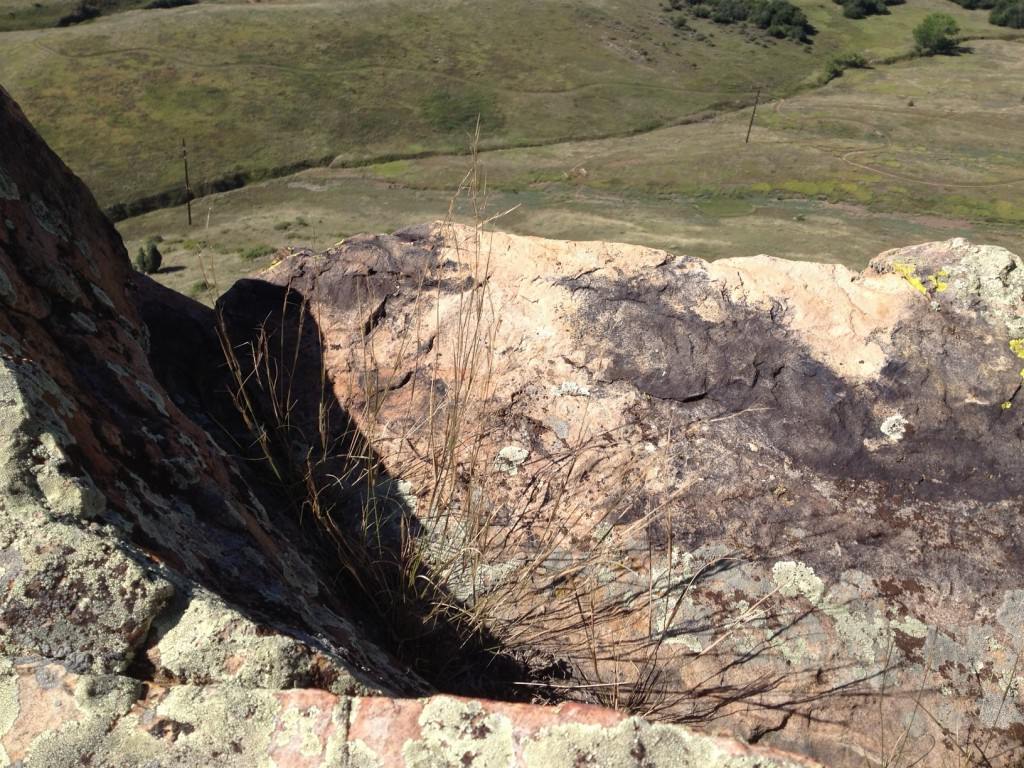
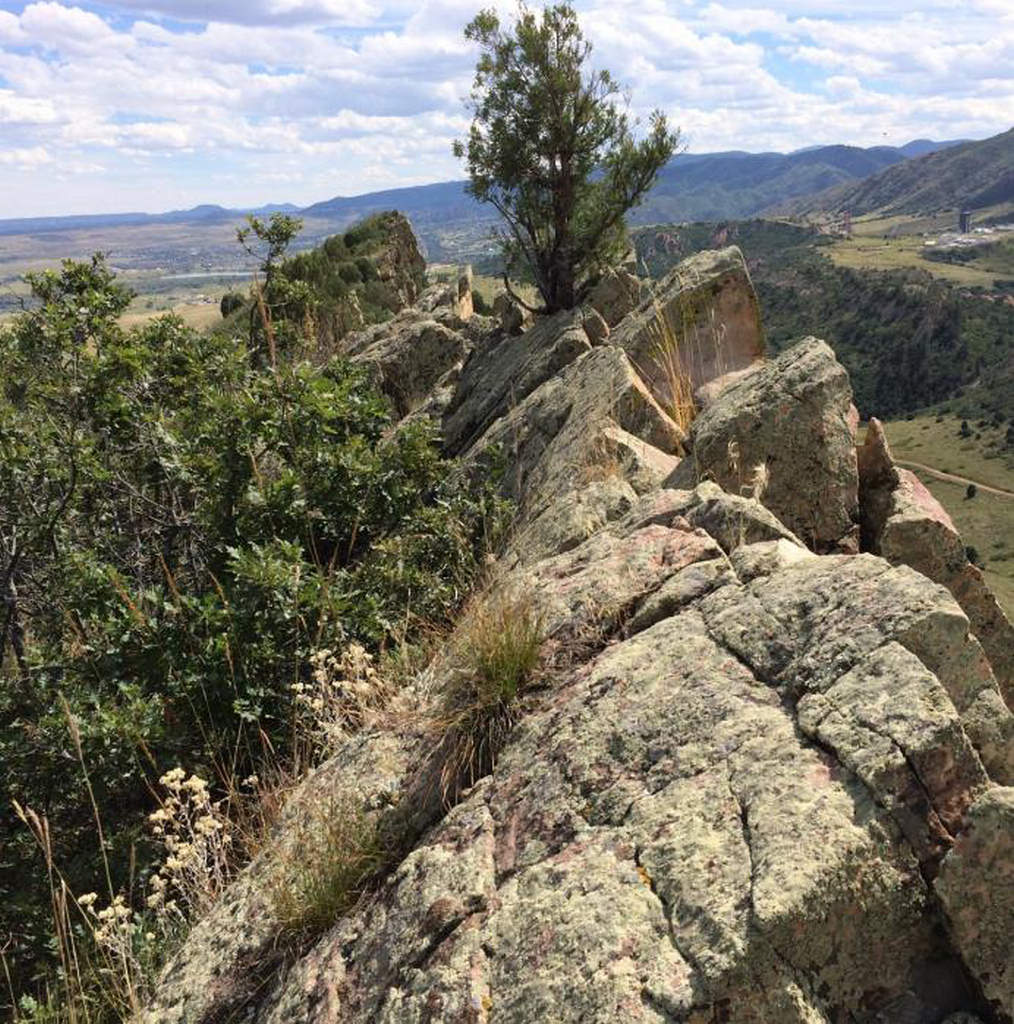
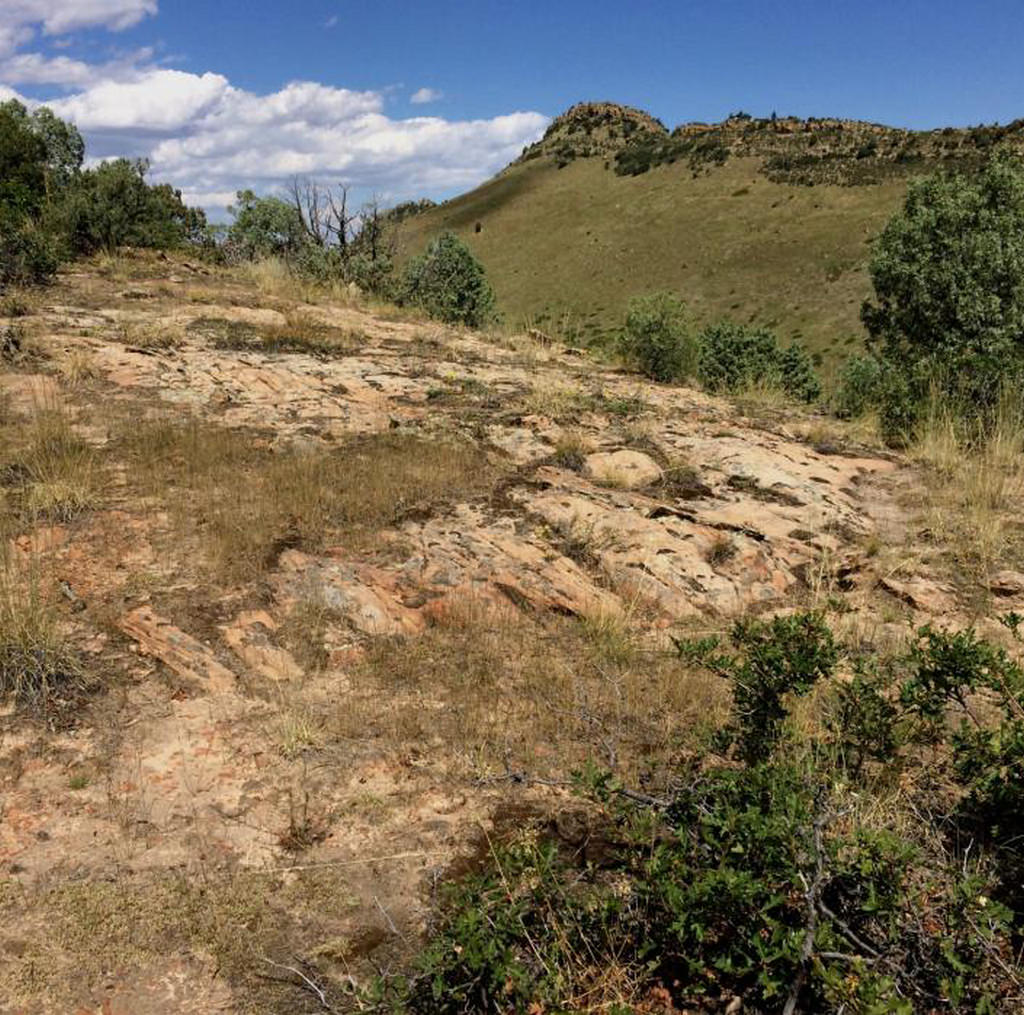
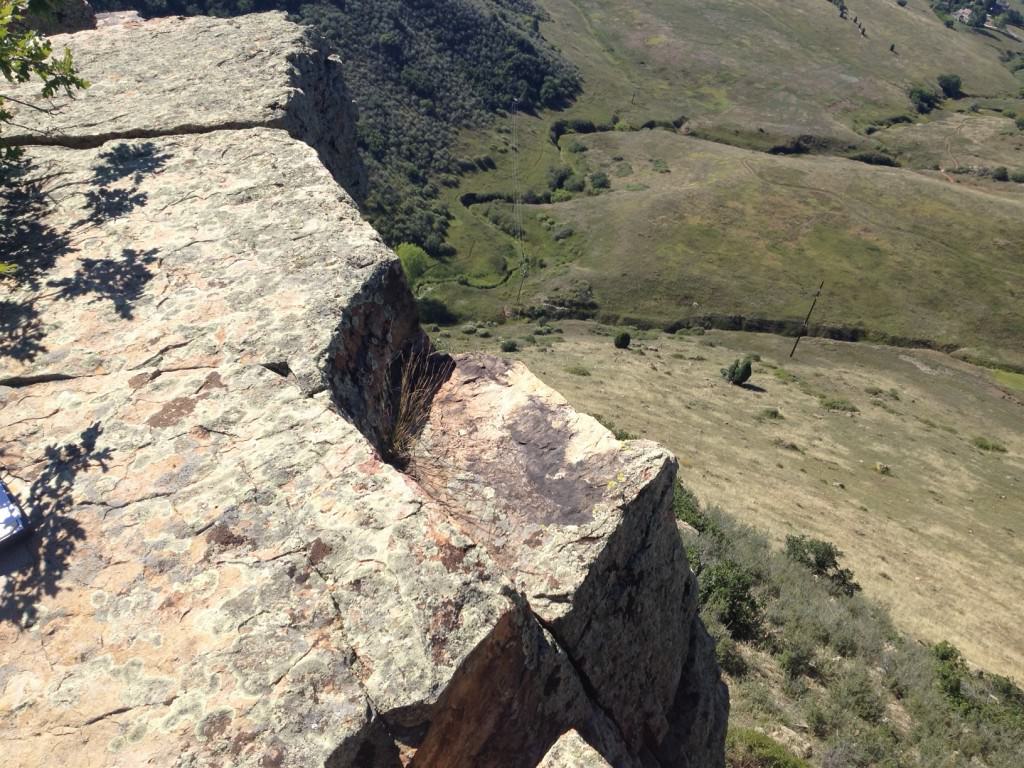
In Colorado, Aristida basiramea has been observed on several kinds of sandy substrates, including sandy soil of an outwash mesa, and rock outcrops of Fox Hills sandstone, Dakota sandstone, Lyons sandstone, Ingleside sandstone, and Silver Plume granite. On rock outcrops it grows in crevices and gentle slopes where loose sand has accumulated (Scully 2015). Associated species include Pinus ponderosa, Cercocarpus montanus, Andropogon gerardii, Juniperus scopulorum, Ribes cereum, Aristida purpurea, Lycurus setosus, Piptatherum micranthum, Heterotheca villosa, Aster porteri, Opuntia pheacantha, O. polyacantha, Solidago nemoralis, Penstemon virens, Gaillardia aristata, Sedum lanceolatum, and Selaginella densa (Colorado Natural Heritage Program 2017.)
click on image to enlarge
 |
 |
 |
Elevation Range:
5,114 - 6,931 feet (1,559 - 2,113 meters)
Distribution
Colorado Endemic:
No
Range:
Aristida basiramea is known from Boulder, Douglas, Jefferson, and Larimer counties in Colorado. This species is also found in Alabama, Florda, Illinois, Indiana, Iowa, Kansas, Maine, Massachusetts, Michigan, Minnesota, Mississippi, Missouri, Nebraska, New Hampshire, New York, North Dakota, Ohio, Oklahoma, South Carolina, Tennessee, Texas, Vermont, and Wisconsin, USA. Globally, this species can also be found in Ontario and Quebec, Canada (USDA NRCS 2022).
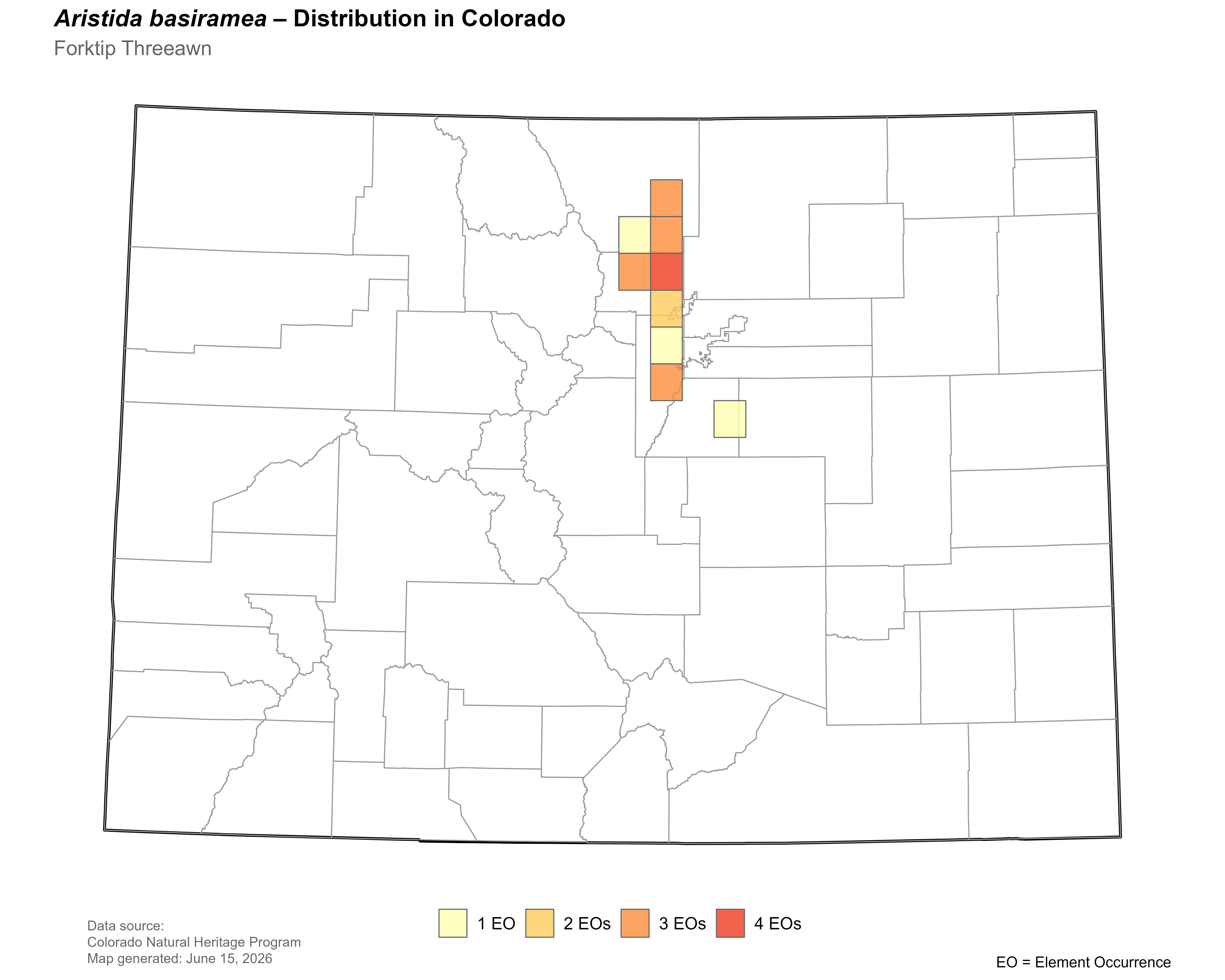
Click on map to enlarge |
Threats and Management Issues
In Colorado, urban expansion, extraction of sand, and use by all-terrain vehicles present the biggest concerns. The suppression of disturbances such as fire, and the planting of conifers, are also altering the nature of some of the existing habitat (Scully 2015). Colorado climate scenarios for 2050 suggest temperature will increase by 3-7 F and precipitation may decrease or increase. The impact to any given rare plant habitat is likely to vary. Long-term monitoring that includes weather and soil moisture data is critical to understanding climate impacts.
References
- Ackerfield, J. 2015. Flora of Colorado. BRIT Press, Botanical Research Institute of Texas, Fort Worth, TX. 818 pp.
- Britton, N. L. and A. Brown. 1913. An Illustrated Flora of the Northern United States and Canada. 3 vol. Dover Publications, Inc., N. Y. 2052 pp.
- Colorado Natural Heritage Program (CNHP). 2023. Biodiversity Tracking and Conservation System (Biotics 5). Colorado Natural Heritage Program, Colorado State University, Fort Collins.
- Colorado Natural Heritage Program and the Geospatial Centroid. 2017. The Colorado Ownership and Protection Map (COMaP). Colorado State University, Ft. Collins, CO.
- Flora of North America Editorial Committee (FNA). 2003a. Flora of North America north of Mexico. Vol. 25. Magnoliophyta: Commelinidae (in part): Poaceae, part 2. Oxford Univ. Press, New York. xxv + 781 pp.
- Kartesz, J.T. 1994. A synonymized checklist of the vascular flora of the United States, Canada, and Greenland. 2nd edition. 2 vols. Timber Press, Portland, OR.
- Scully, R. 2015. Survey for Aristida basiramea, Forktip Threeawn Grass, on Jefferson County Open Space Lands. Unpublished report prepared for the Colorado Natural Areas Program.
- Shaw, R.B. 2008. Grasses of Colorado. University Press of Colorado. Boulder, CO. 650 pp.
- USDA, Natural Resources Conservation Service, PLANTS Database [USDA PLANTS]. http://plants.usda.gov/. Accessed 2017.
- USDA, NRCS. 2022. The PLANTS Database. National Plant Data Team, Greensboro, NC 27401-4901 USA.
- Weber, W. A. and R. C. Wittmann. 2012. Colorado Flora, Eastern Slope, A Field Guide to the Vascular Plants, Fourth Edition. Boulder, Colorado. 555 pp.