

Scientific Name : Aliciella haydenii
Author : (Gray) J.M. Porter NatureServe Explorer
Common Name : San Juan Gilia
 Current Research Activities


☰ Click link below for details.
Taxonomy
Polemoniaceae (phlox family)
Weber and Wittmann (2012) list this as Gilia haydenii A. Gray. Ackerfield (2015, 2022) lists this as Aliciella haydenii (A. Gray) J.M. Porter, and recognizes two subspecies in Colorado: ssp. haydenii, and ssp. crandallii. The later is known from La Plata and Montezuma counties. The subspecies are based on differences in the corolla size, pubescence, and color. Photos of the two subspecies are presented on the Southwest Colorado Wildflowers website (Schneider 2017).
Ranks and Status
State Rank : S3
State Rank Reason : Aliciella haydenii is known from 20-50 occurrences within a limited distribution in southwestern Colorado, USA. Potential threats to the species include non-motorized recreation, incompatible grazing, competition from non-native plants, and the effects of long-term drought resulting from climate change.
U.S. Endangered Species Act : none
Colorado Threatened and Endangered List : none
Other Statuses : none
Description and Phenology
General Description:
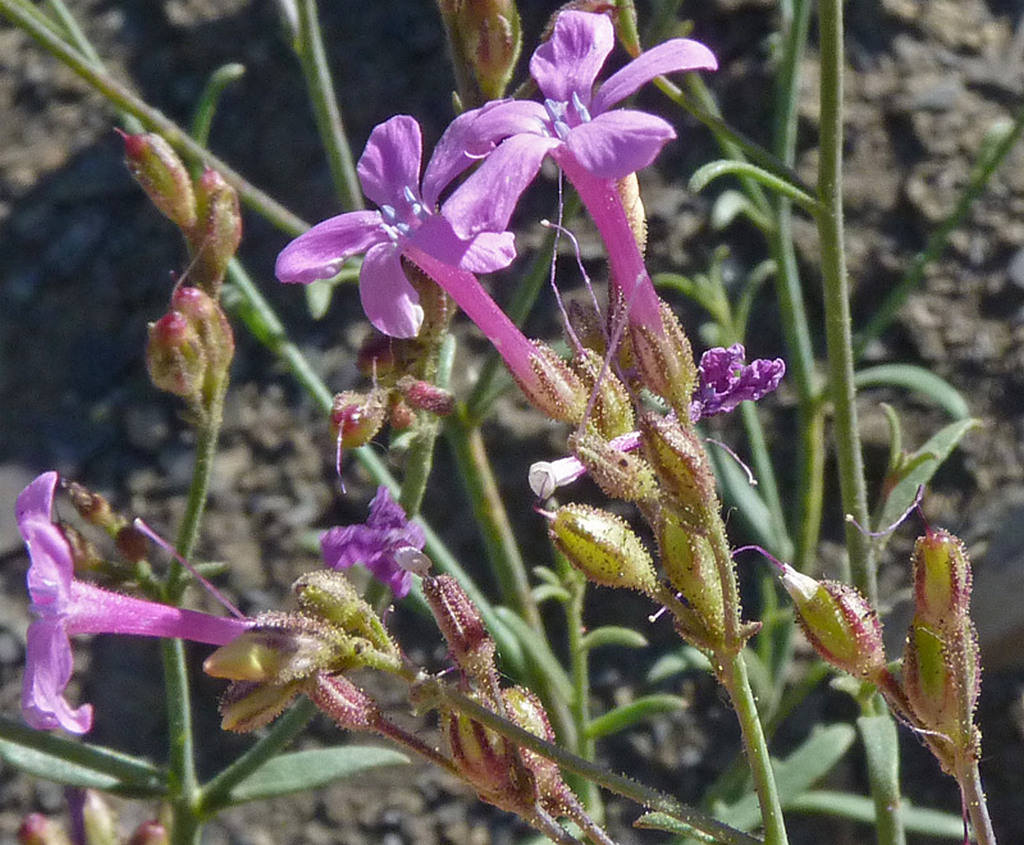
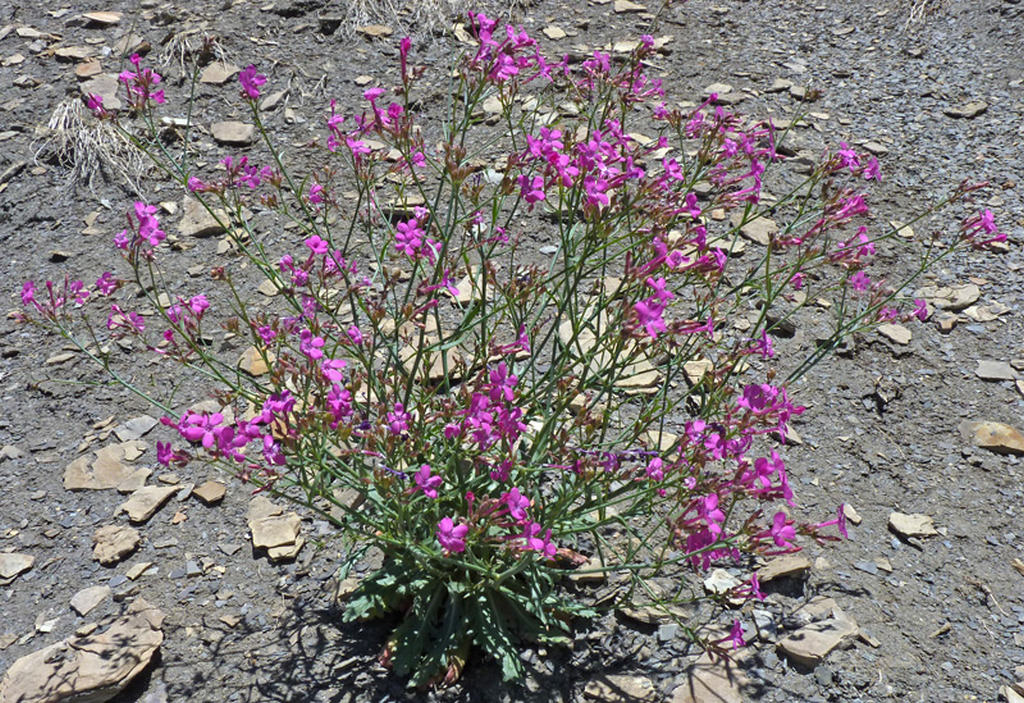
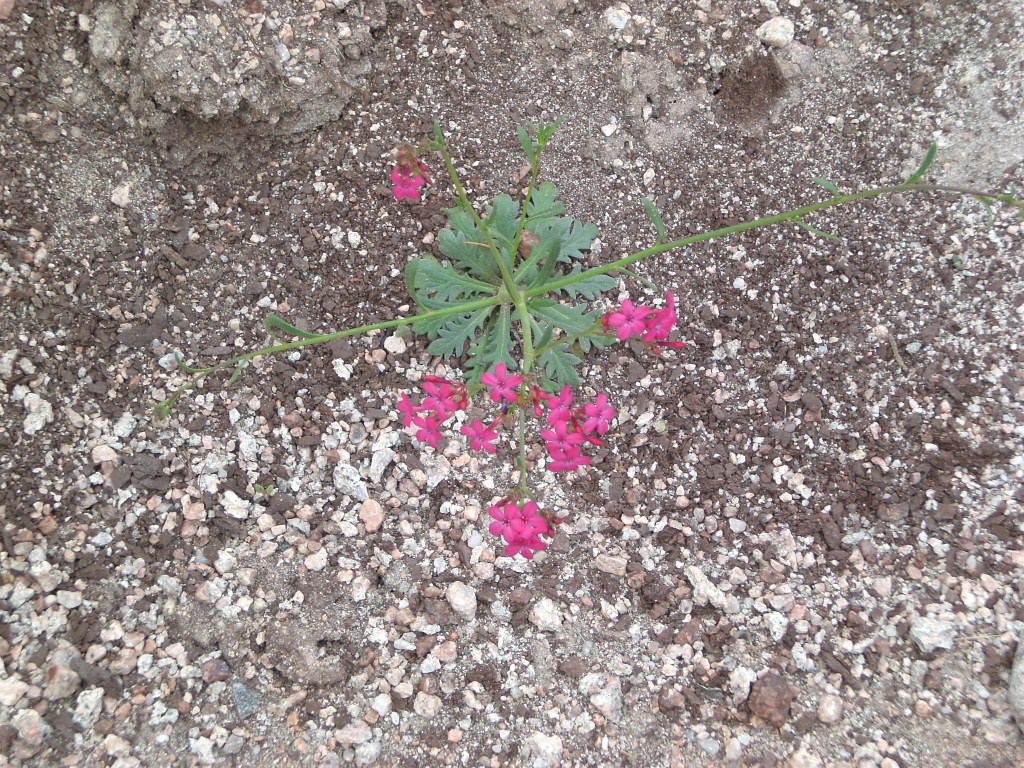
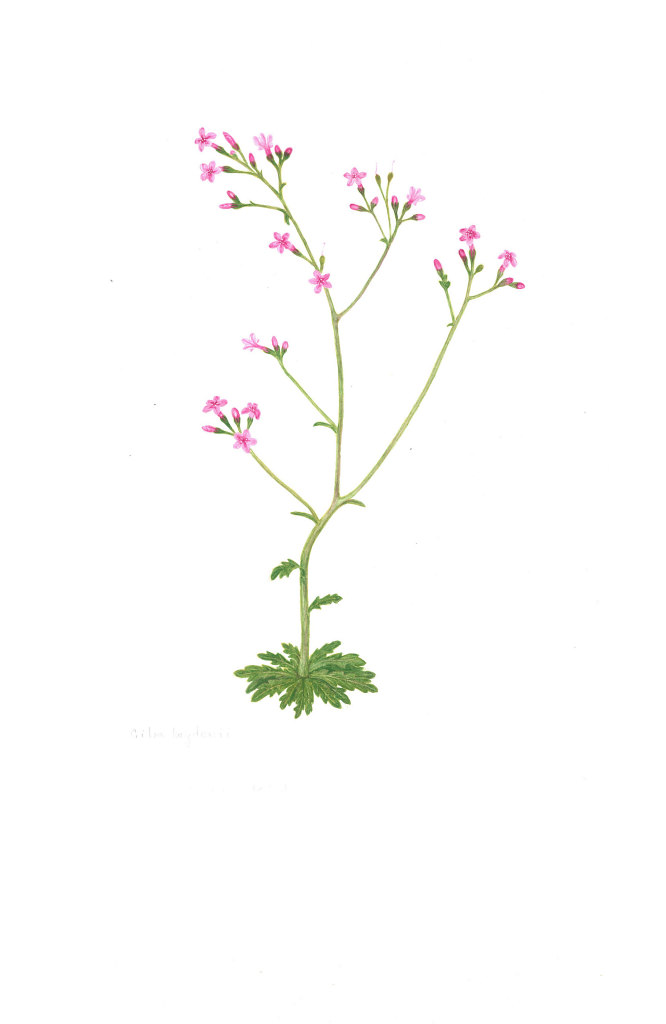
Biennial, 1-5 dm tall, sparsely glandular-stipitate throughout to subglabrous. Basal leaves coarsely toothed to pinnately cleft or lobed. Cauline leaves abruptly reduced, mostly linear and entire. Rose-purple to pink-lavender tubular flowers, > 1 cm long, clustered near the ends of the stems. Unlike several other Gilia species, the anthers are not exserted (Weber and Wittmann 2012, Ackerfield 2015, Schneider 2017).
Look Alikes:
The anthers not protruding beyond the rose colored corolla tube is distinctive. Other species without exserted anthers would be white or lavender (Weber and Wittmann 2012).
Phenology:
Flowers April-September (Ackerfield 2015).
 |
Habitat
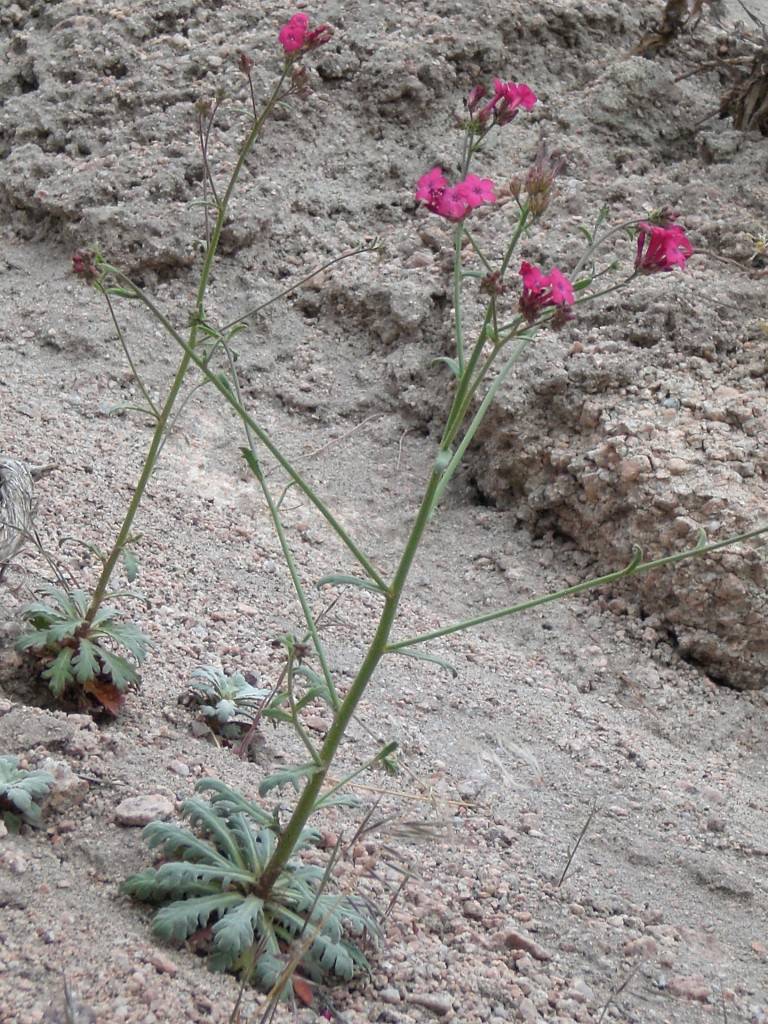
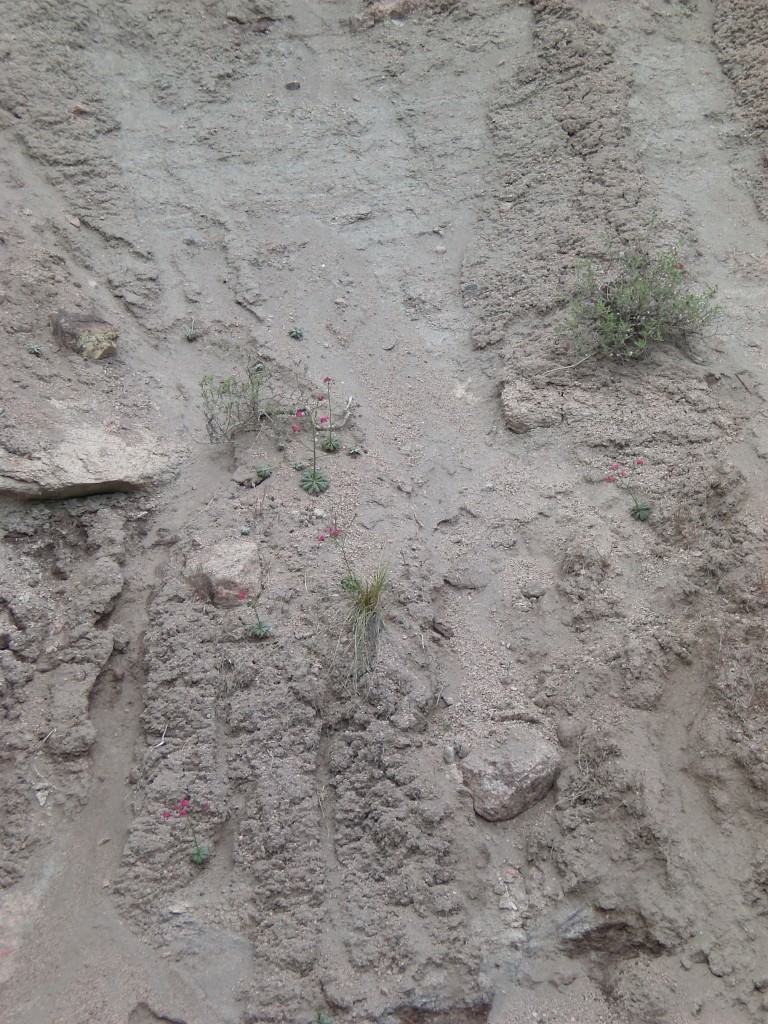
In Colorado, this species is found on colluvial fans from sandstone parent rock, on shale, barren outcroppings, in rocky soils, sometimes with pinyon-juniper or sagebrush (Weber and Wittman 2012, Ackerfield 2015). Also found in sandy clay soils. Additional associated species include Quercus gambelii, Cercocarpus montanus, Stanleya pinnata, Ericameria nauseosa, Heterotheca villosa, Eurybia glauca, Achnatherum hymenoides, Castilleja linariifolia, Cirsium calcareum, Coleogyne ramosissima, Atriplex canescens, Bouteloua gracilis, Machaeranthera grindeliodes, Hymenopappus filifolius, Gutierrezia sarothrae, Cryptantha flava, Astragalus wingatanus, Physaria acutifolia, Hilaria jamesii, Hedysarum boreale, Lepidium montanum, Tetraneuris ivesiana, Ephedra viridis, Yucca harrimanniae, Purshia stansburiana, Fraxinus anomala, Eriogonum corymbosum, Eriogonum umbellatum (Colorado Natural Heritage Program occurrence records 2017).
click on image to enlarge
 |
 |
Elevation Range:
4,598 - 8,340 feet (1,402 - 2,542 meters)
Distribution
Colorado Endemic:
No
Range:
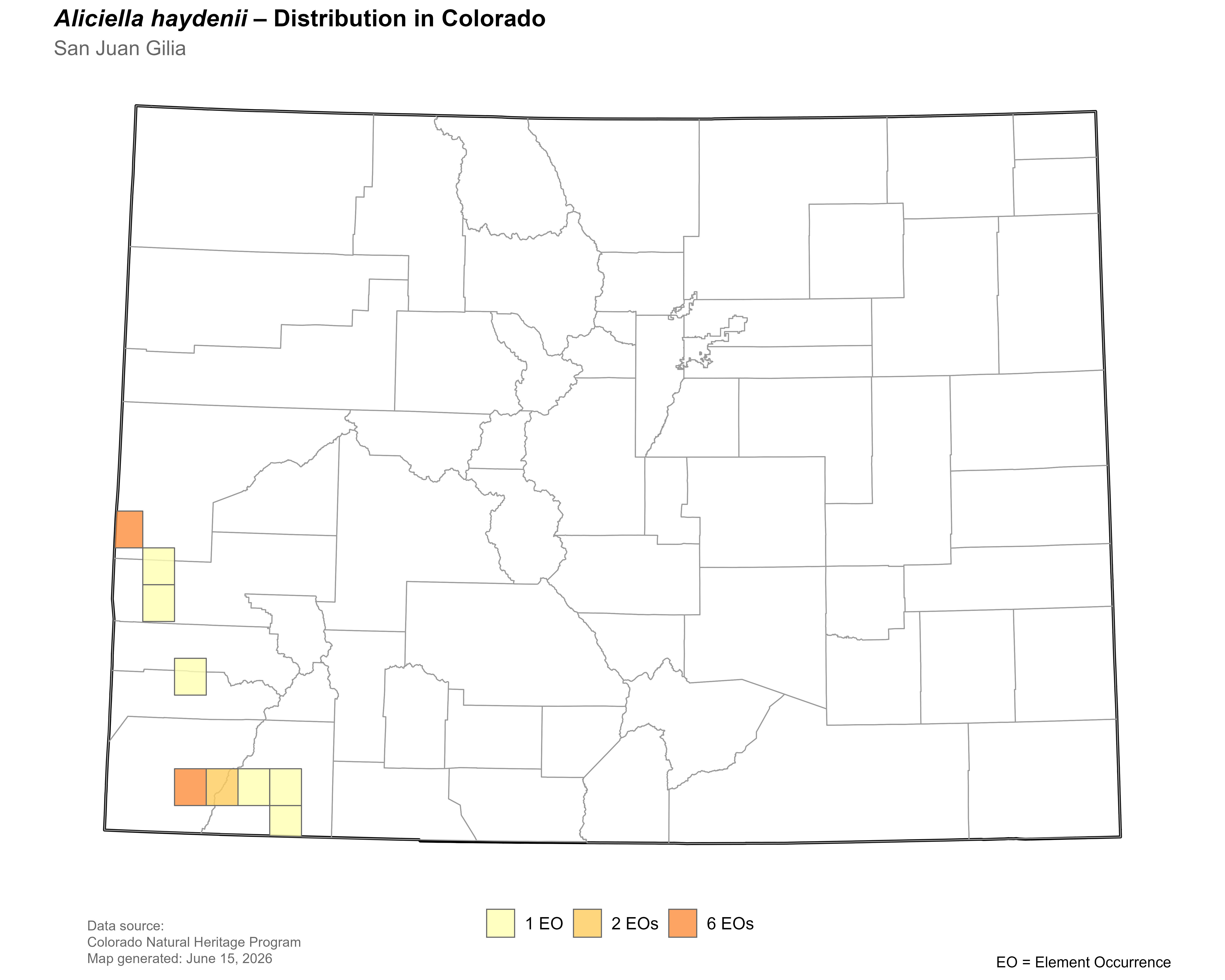
Aliciella haydenii is known from Dolores, La Plata, Mesa, Montrose and Montezuma counties in Colorado, USA. Estimated range extent in Colorado of 5,488 square kilometers was calculated in GeoCAT using occurrence data provided by the Colorado Natural Heritage Program (2024).This species has also been found in Arizona, New Mexico, Utah and the Navajo Nation, USA.
Click on map to enlarge |
Threats and Management Issues
Non-motorized recreation, incompatible grazing, and competition from non-native plants are the primary threats to this species in Colorado. Bromus tectorum and Melilotus officinale have been found in or near several occurrences. Colorado climate scenarios for 2050 suggest temperature will increase by 3-7 F and precipitation may decrease or increase. The impact to any given rare plant habitat is likely to vary. Long-term monitoring that includes weather and soil moisture data is critical to understanding climate impacts.
References
- Ackerfield, J. 2015. Flora of Colorado. BRIT Press, Botanical Research Institute of Texas, Fort Worth, TX. 818 pp.
- Albee, B.J., L.M. Shultz, and S. Goodrich. 1988. Atlas of the vascular plants of Utah. Utah Museum Natural History Occasional Publication 7, Salt Lake City, Utah. 670 pp.
- Colorado Natural Heritage Program and the Geospatial Centroid. 2017. The Colorado Ownership and Protection Map (COMaP). Colorado State University, Ft. Collins, CO.
- Cronquist, A., A.H. Holmgren, N.H. Holmgren, J.L. Reveal, and P.K. Holmgren. 1984. Intermountain Flora: Vascular Plants of the Intermountain West, U.S.A. Vol. 4, Subclass Asteridae (except Asteraceae). New York Botanical Garden, Bronx. 573 pp.
- Harrington, H.D. 1954. Manual of the plants of Colorado. Sage Press, Chicago. 666 pp.
- Heil, K.D, S.L. O'Kane Jr., L.M. Reeves, and A. Clifford. 2013. Flora of the Four Corners Region. Vascular Plants of the San Juan River Drainage: Arizona, Colorado, New Mexico, and Utah. Monographs in systematic botany from the Missouri Botanical Garden, Vol. 124, Missouri Botanical Garden Press, St. Louis, MO. xvi + 1098 pp.
- Porter, J.M. 1998. Aliciella, a recircumscribed genus of Polemoniaceae. Aliso 17(1): 23-46.
- Schneider, A. 2017. Wildflowers, ferns, and trees of the Four Corners regions of Colorado, New Mexico, Arizona, and Utah. Online: http://www.swcoloradowildflowers.com.
- USDA, Natural Resources Conservation Service, PLANTS Database [USDA PLANTS]. http://plants.usda.gov/. Accessed 2017.
- USDA, NRCS. 2022. The PLANTS Database. National Plant Data Team, Greensboro, NC 27401-4901 USA.
- Weber, W. A. and R. C. Wittmann. 2012. Colorado Flora, Western Slope, A Field Guide to the Vascular Plants, Fourth Edition. Boulder, Colorado. 532 pp.
- Welsh, S.L., N.D. Atwood, S. Goodrich, and L.C. Higgins (eds.) 1993. A Utah flora. 2nd edition. Brigham Young Univ., Provo, Utah. 986 pp.