

Scientific Name : Hypoxis hirsuta
Author : (L.) Coville NatureServe Explorer
Common Name : Yellow Stargrass
 Current Research Activities


☰ Click link below for details.
Taxonomy
Hypoxidaceae ()
Weber and Wittmann (2012) and Ackerfield (2015, 2022) place this species in the Hypoxidaceae, the Yellow Stargrass or Stargrass Family. Hypoxis hirsuta is the only taxon in this family known from Colorado. Another common name is Common Goldstar (Culver and Lemly 2013, Ackerfield 2015).
Ranks and Status
State Rank : S1
State Rank Reason : Hypoxis hirsuta is known from four occurrences in three counties in Colorado, USA. Two of the four occurrences are historical observations. All of the occurrences are on private land in Las Animas, Custer, or El Paso counties.
U.S. Endangered Species Act : none
Colorado Threatened and Endangered List : none
Other Statuses : none
Description and Phenology
General Description:
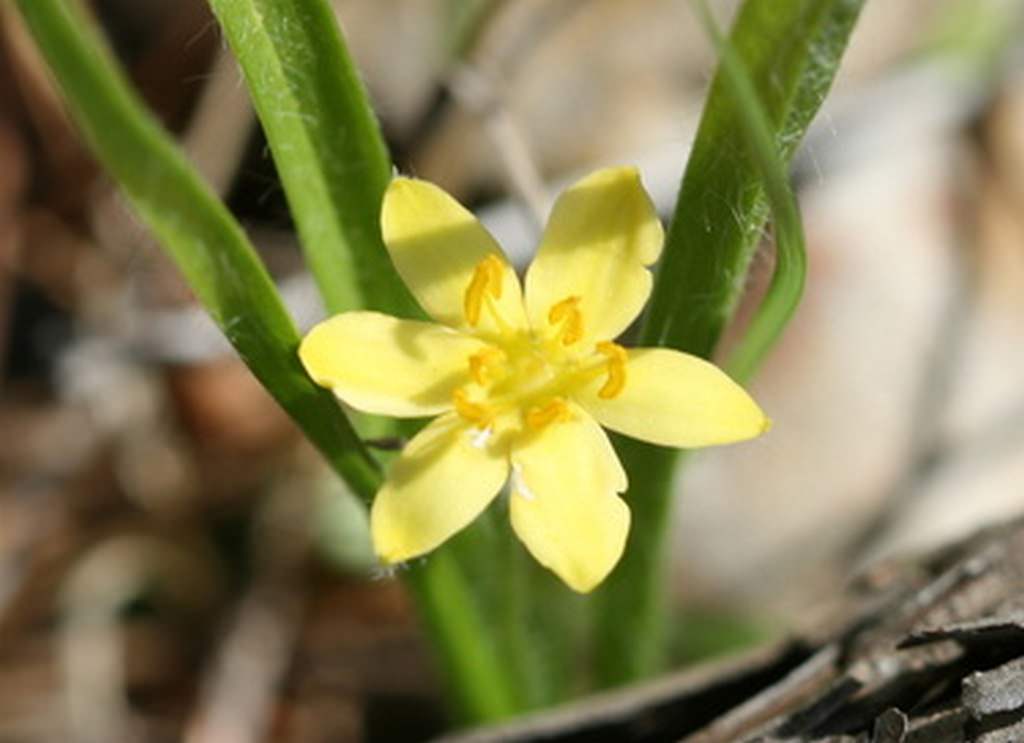
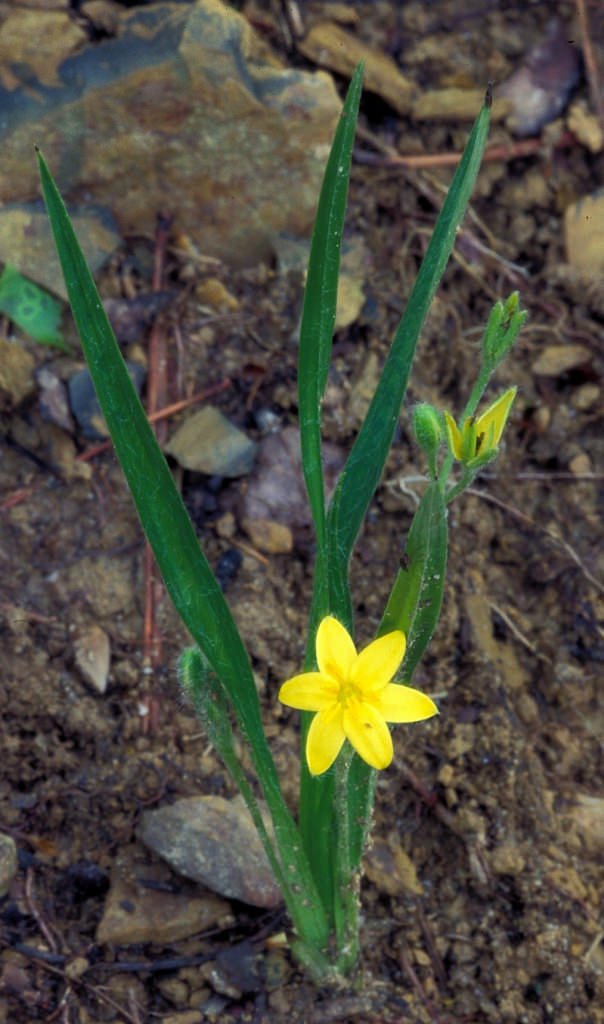
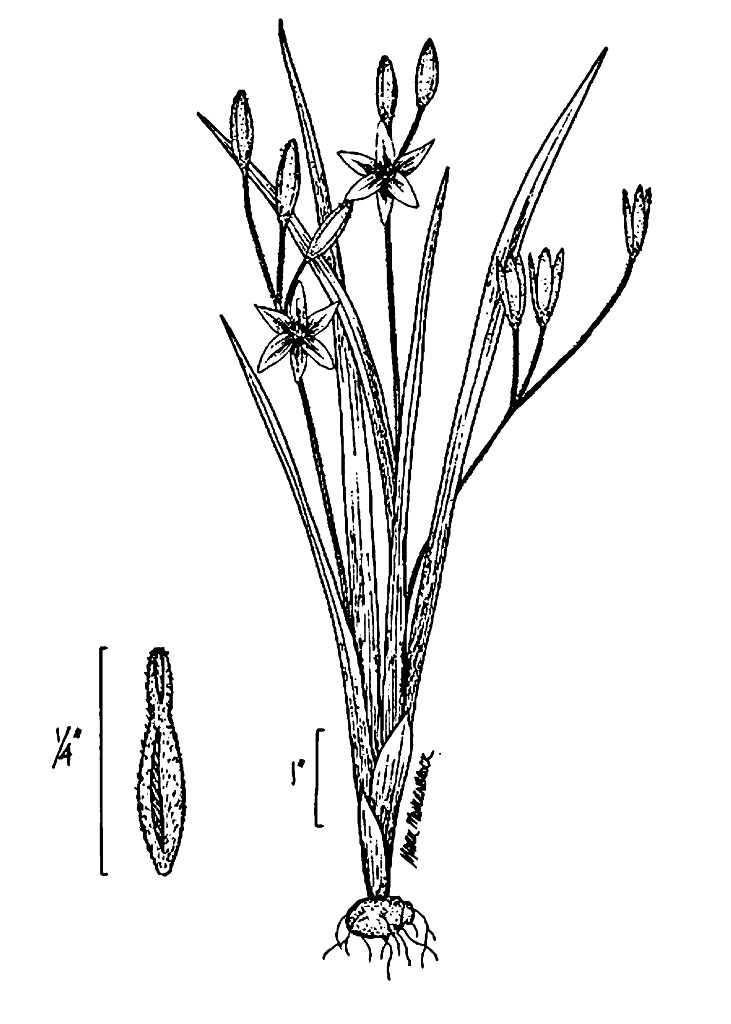
Herbaceous perennial monocot with 6-merous yellow flowers, and with rhizomes or corms. Plants are scapose (without stem leaves), sparsely to densely pubescent, often pilose (with long, soft hairs), pubescence including at least some irregularly stellate trichomes. Leaves are all basal, grasslike. Plants are up to 3 dm tall with scape shorter than leaves. Tepals 6-10 mm long, yellow; ovary inferior. Fruits are capsules, crowned by persistent flower parts; seeds black, lustrous, 1-1.5 mm, coarsely rough (Weber and Wittmann 2012, Culver and Lemly 2013, Ackerfield 2015).
Look Alikes:
Not likely to be confused with other taxa in similar habitats. The combination of all basal leaves, yellow tepals, and inferior ovary is distinctive.
Phenology:
Flowers and fruit April-July.
 |
Habitat
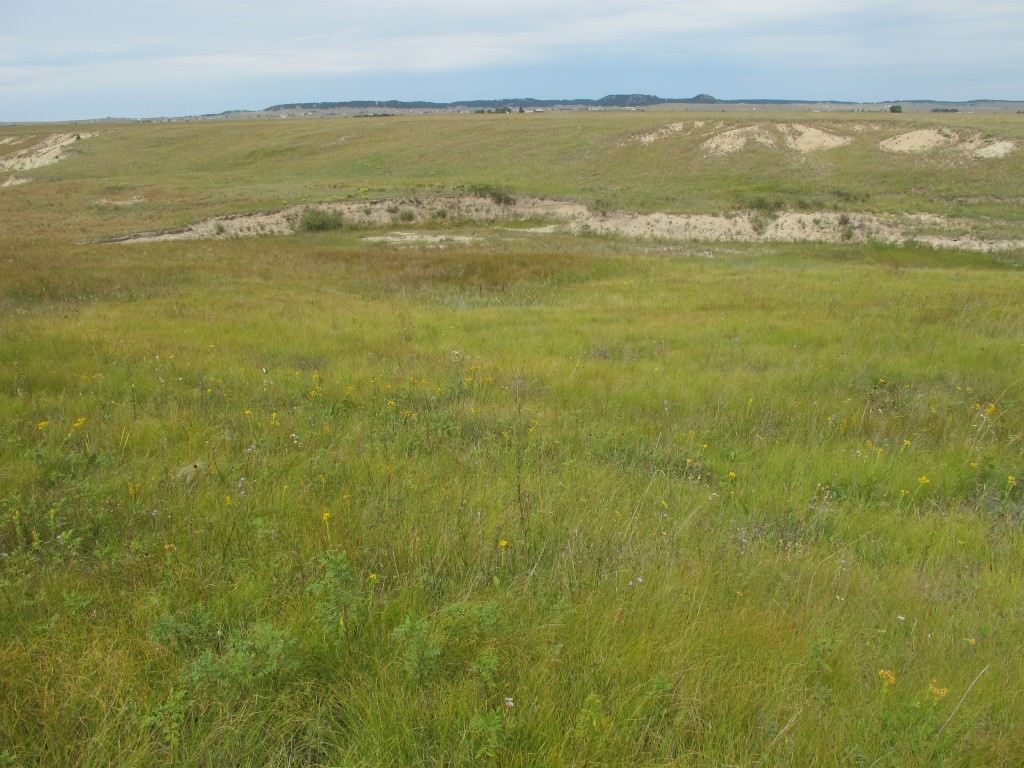
In Colorado, Hypoxis hirsuta has been found in moist meadows, seeps, and fens associated with blue spruce, river birch, willows, sedges, rushes, and/or grasses. Plants have been found growing in peat with sandy gravel and alluvium (Colorado Natural Heritage Program occurrence records 2017). Additional information is needed to better describe the habitat for this species in Colorado.
click on image to enlarge
 |
Elevation Range:
7,062 - 8,123 feet (2,152 - 2,476 meters)
Distribution
Colorado Endemic:
No
Range:
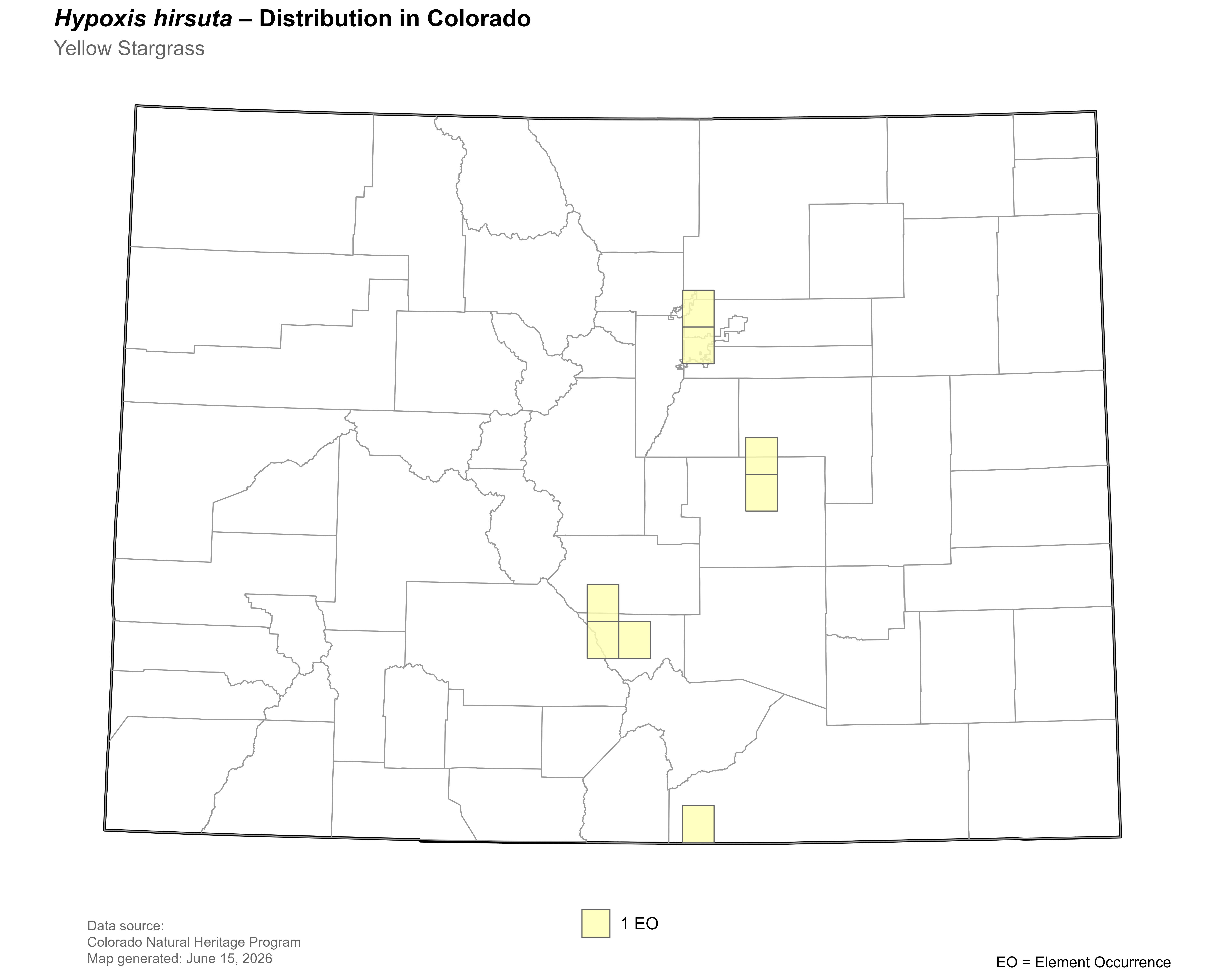
Hypoxis hirsuta has been documented in Custer, El Paso, and Las Animas counties, Colorado, USA. A Denver County record from the 1800's was disregarded for this analysis. Estimated range extent in Colorado of 8008 square kilometers was calculated in GeoCAT using occurrence data provided by the Colorado Natural Heritage Program (2023). This species can also be found in Alabama, Arkansas, Connecticut, Delaware, Florida, Georgia, Illinois, indiana, Iowa, Kansas, Kentucky, Louisiana, Maine, Maryland, Massachusetts, Minnesota, Mississippi, Missouri, Nebraska, New Hampshire, New Jersey, New Mexico, New York, North Carolina, North Dakota, Ohio, Oklahoma, Pennsylvania, Rhode Island, South Carolina, South Dakota, Tennessee, Texas, Vermont, Virginia, West Virginia, and Wisconsin, USA. In Canada, this species can be found in Manitoba, Ontario, and Saskatchewan (USDA NRCS 2017).
Click on map to enlarge |
Threats and Management Issues
The predominant land use around the Colorado occurrences appears to be cattle grazing. Elk and other wildlife species may also reside in the habitat. Incompatible grazing has not been documented, but monitoring is warranted to help assure this does not become an issue given the very small population size. Water sources must be protected to ensure long-term viability. Colorado climate scenarios for 2050 suggest temperature will increase by 3-7 F and precipitation may decrease or increase. The impact to any given rare plant habitat is likely to vary. Long-term monitoring that includes weather and soil moisture data is critical to understanding climate impacts.
References
- Ackerfield, J. 2015. Flora of Colorado. BRIT Press, Botanical Research Institute of Texas, Fort Worth, TX. 818 pp.
- Brackett. 1923. American Species of Hypoxis.
- Britton, N. L. and A. Brown. 1913. An Illustrated Flora of the Northern United States and Canada. 3 vol. Dover Publications, Inc., N. Y. 2052 pp.
- Colorado Natural Heritage Program and the Geospatial Centroid. 2017. The Colorado Ownership and Protection Map (COMaP). Colorado State University, Ft. Collins, CO.
- Culver, D.R. and J.M. Lemly. 2013. Field Guide to Colorado's Wetland Plants; Identification, Ecology and Conservation. Colorado Natural Heritage Program, Colorado State University, Fort Collins, 694 pp.
- Flora of North America Editorial Committee, ed. (FNA). 1993+. Flora of North America North of Mexico. Oxford Univ. Press, New York, Oxford.
- Great Plains Flora Association. 1986. Flora of the Great Plains. University Press of Kansas, Lawrence, KS. 1402 pp.
- Jennings, W.F. 1989. Final report for Eustoma grandiflorum, Spiranthes diluvialis, Malaxis brachypoda, Hypoxis hirsuta, Physaria bellii, and Aletes humilis. Unpublished report prepared for the Nature Conservancy, Boulder, CO.
- USDA, Natural Resources Conservation Service, PLANTS Database [USDA PLANTS]. http://plants.usda.gov/. Accessed 2017.
- USDA, NRCS. 2022. The PLANTS Database. National Plant Data Team, Greensboro, NC 27401-4901 USA.
- Weber, W. A. and R. C. Wittmann. 2012. Colorado Flora, Eastern Slope, A Field Guide to the Vascular Plants, Fourth Edition. Boulder, Colorado. 555 pp.