

Scientific Name : Dalea cylindriceps
Author : Barneby NatureServe Explorer
Common Name : Sandsage Prairie- clover
 Current Research Activities


☰ Click link below for details.
Taxonomy
Fabaceae (pea family)
Ranks and Status
State Rank : S3
State Rank Reason : Dalea cylindriceps it is reported to be locally common in sandy soil of the eastern plains (Ackerfield 2022). It has been documented in about 15 counties in Colorado, USA. The species is considered to have moderate adaptive capacity and is expected to be moderately vulnerable to climate change. There is little information available on current threats to individual occurrences, however, it has been reported to be in decline (Locklear 2013).
U.S. Endangered Species Act : none
Colorado Threatened and Endangered List : none
Other Statuses : SWAP Tier 2
Description and Phenology
General Description:
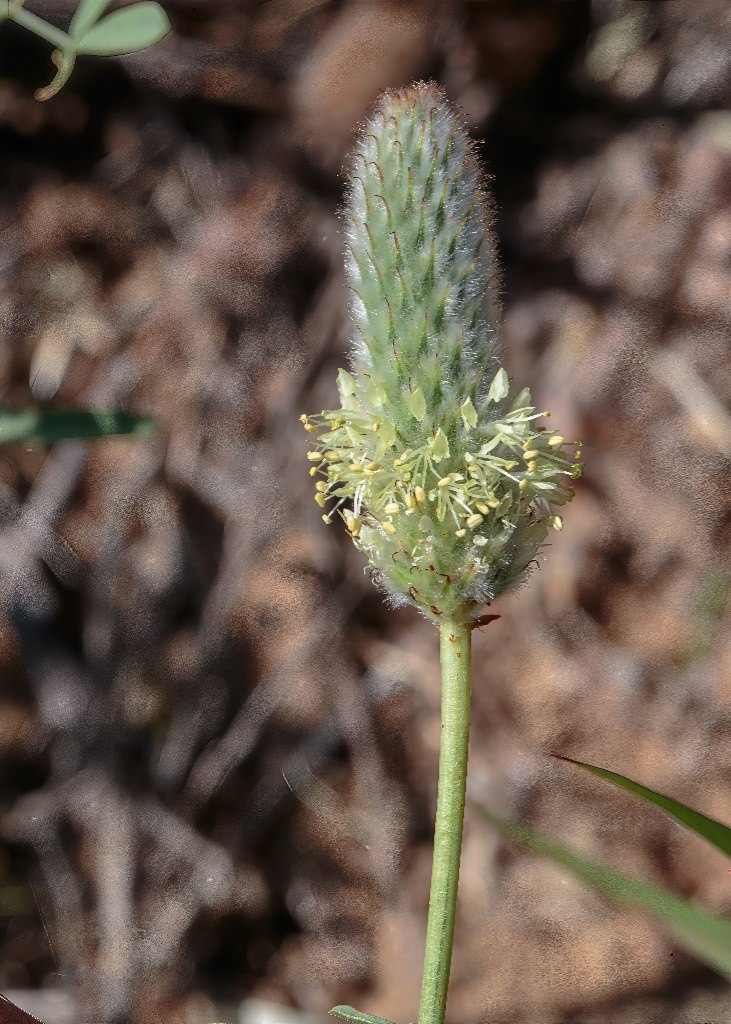
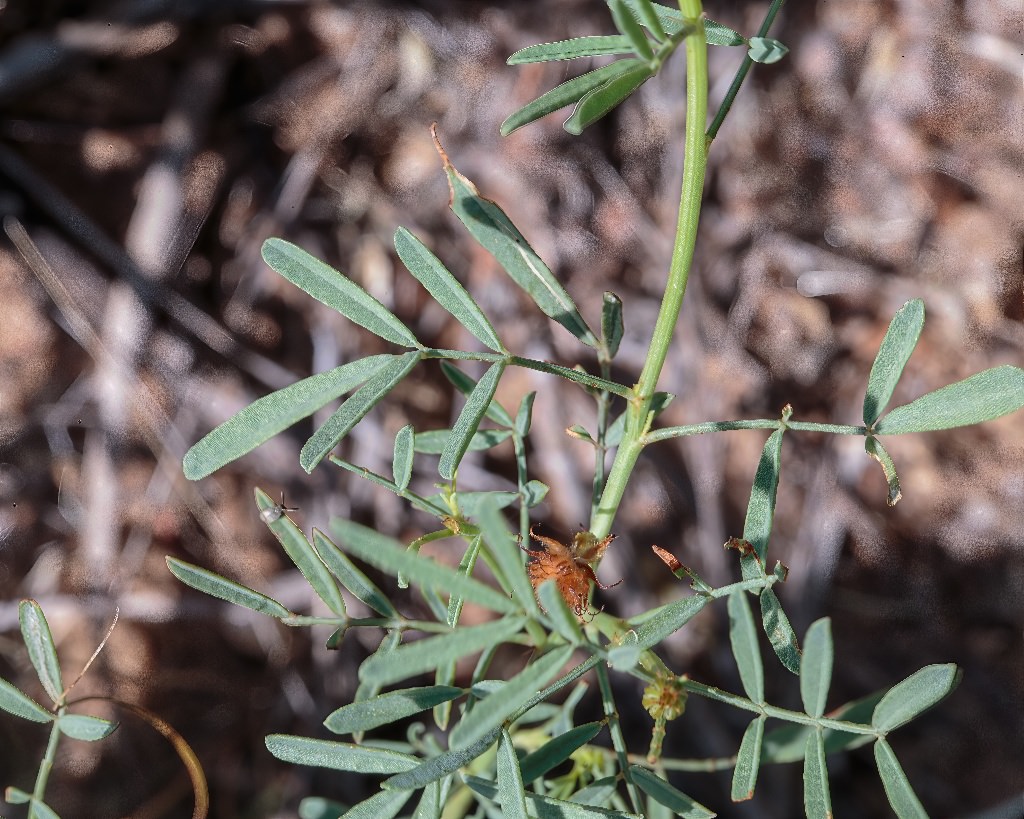
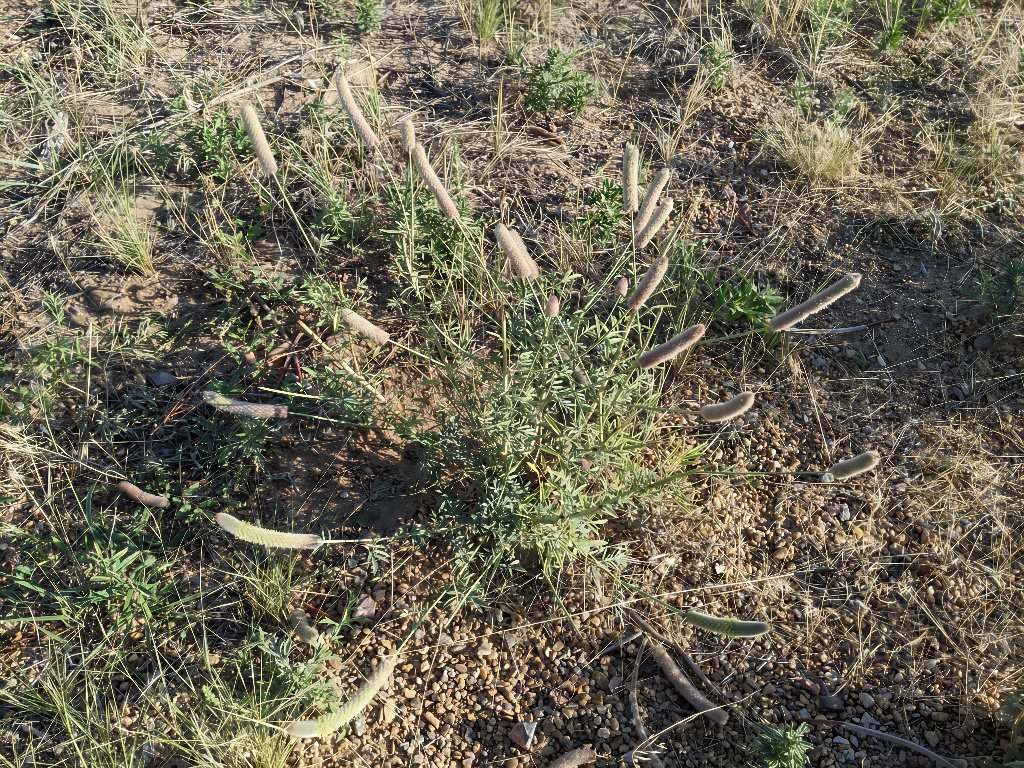
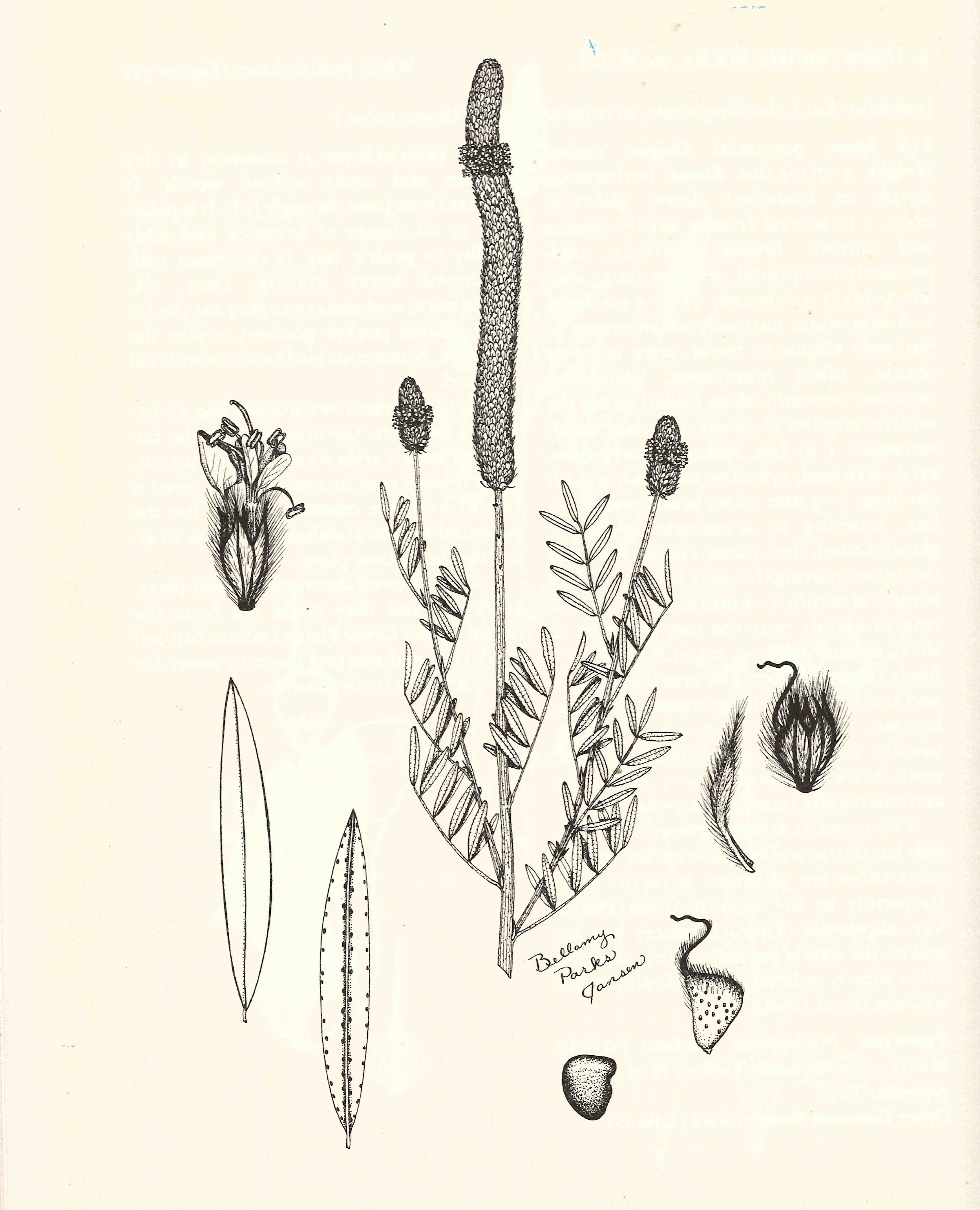
Dalea cylindriceps is an upright perennial 2-7 dm tall. The glabrous leaves are pinnately compound with 7-9 leaflets with acute tips. The inflorescence forms dense, elongated cylindric spikes 3-20 cm long; the calyx 2-2.3 mm long, densely pilose with tawny hairs; the flowers whitish to light pink with a 4.7-6.2 mm banners; the fruit is a legume, obovate and pilose (Ackerfield 2022).
Look Alikes:
Dalea villosa var. villosa grows in similar habitat but has cinereous leaves with smaller and more numerous pairs of leaflets than D. cylindriceps. The flowers of Dalea villosa var. villosa are rose purple to purple or pink and only occasionally white (Ackerfield 2022).
Phenology:
This taxon flowers from June to September (Ackerfield 2022).
 |
Habitat
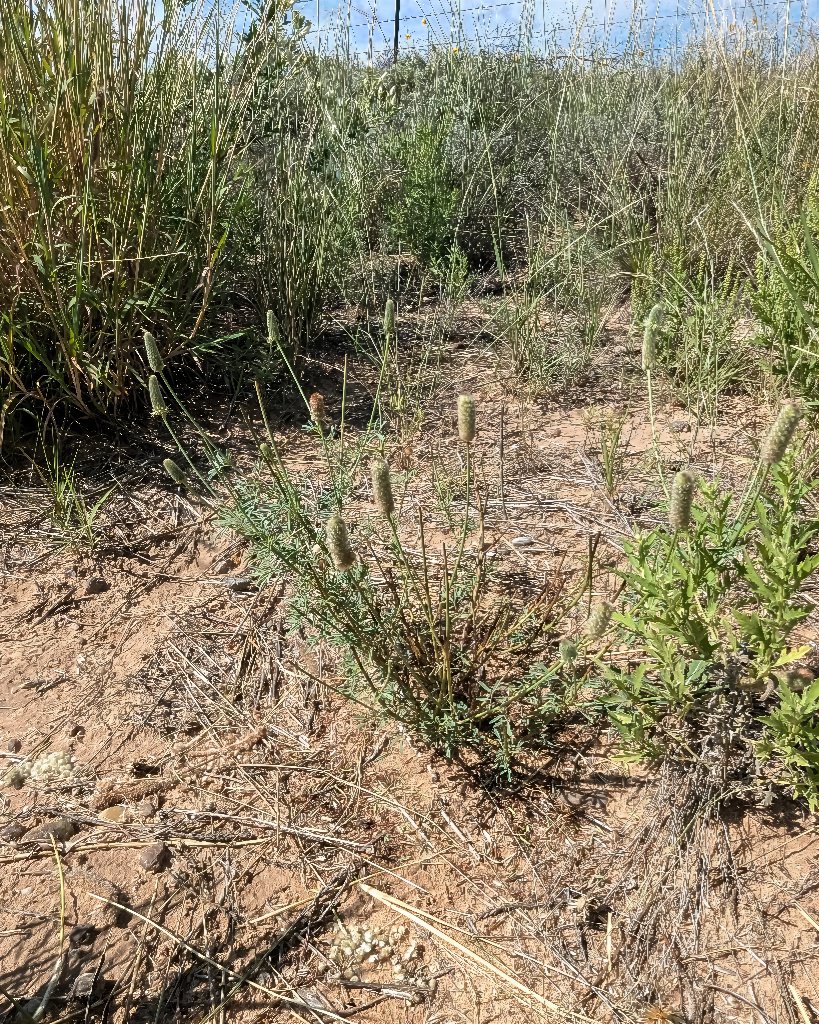
Dalea cylindriceps occurs in loose sandy soils and is strongly associated with Sand Sage Prairie and Western Sand Prairie community types (Locklear 2013). Common associated species include Artemisia filifolia, Andropogon hallii, Sporobolus cryptandrus, Hesperostipa comata, Eriogonum annuum and Helianthus petiolaris (CNHP 2026).
click on image to enlarge
 |
Elevation Range:
3,600 - 5,300 feet (1,097 - 1,615 meters)
Distribution
Colorado Endemic:
No
Range:
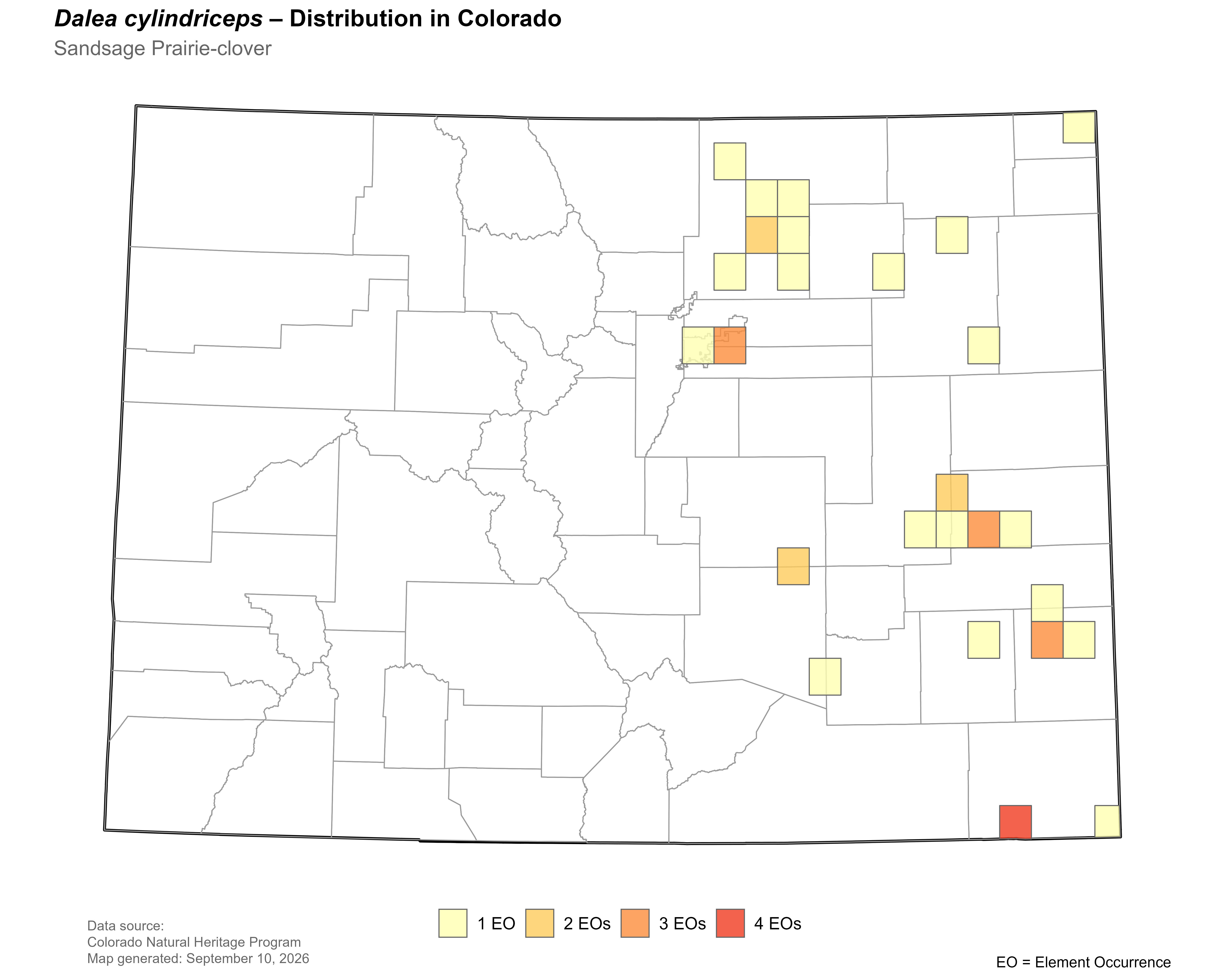
Dalea cylindriceps is known from about 15 counties in eastern Colorado. Estimated range extent in Colorado of 76,139 square kilometers was calculated in GeoCAT using occurrence data provided by the Colorado Natural Heritage Program (2026). This species can also be found in Kansas, Nebraska, New Mexico, Oklahoma, South Dakota, Texas, and Wyoming, USA.
Click on map to enlarge |
Threats and Management Issues
Threats are poorly documented with only 3 occurrences reporting on site conditions as of 2025. Those reports indicated the occurrences were found in weedy disturbed sites, with one likely to be lost to imminent residential development. Several occurrences are also said to be found along roadsides and therefore, subject to disturbance from road maintenance e.g., mowing, herbicide application. Prolonged drought in portions of its range, are also a concern for the species persistence. This species is considered to have moderate adaptive capacity and is expected to be moderately vulnerable to climate change under both RCP 4.5 and 8.5 scenarios, as assessed for the 2025 Colorado State Wildlife Action Plan (CNHP 2025).
References
- Ackerfield, Jennifer. 2022. Flora of Colorado. Second Edition. Bot. Misc. 60. BRIT Press, Fort Worth Botanic Garden/Botanical Research Institute of Texas, U.S.A. 861 pp.
- Colorado Natural Heritage Program (CNHP). 2025. Climate Change Vulnerability Assessment of Colorado Tier 1 and Tier 2 Plant Species of Greatest Conservation Need (SCGN) for the 2025 Colorado State Wildlife Action Plan. Colorado Natural Heritage Program, Colorado State University, Fort Collins, CO.
- Colorado Natural Heritage Program (CNHP). 2026. Biodiversity Tracking and Conservation System (Biotics 5). Colorado Natural Heritage Program, Colorado State University, Fort Collins.
- Locklear, J. H. 2013. Taxonomic identity and historical accounts of Dalea cylindriceps (Fabaceae), a species of conservation concern in the Great Plains (USA). Journal of the Botanical Research Institute of Texas, Vol.7, No. 2, pp. 879-890.