

Scientific Name : Astragalus wetherillii
Author : M.E. Jones NatureServe Explorer
Common Name : Wetherill's Milkvetch
 Current Research Activities
 1997 profile


☰ Click link below for details.
Taxonomy
Fabaceae (pea family)
Ranks and Status
State Rank : S3
State Rank Reason : Astragalus wetherillii is known from approximately 50 occurrences in western Colorado, USA; potential threats include inappropriate livestock grazing, motorized recreation, competition from invasive plant species and long-term drought. It is considered to have moderate adaptive capacity and is expected to be slightly to moderately vulnerable to climate change.
U.S. Endangered Species Act : none
Colorado Threatened and Endangered List : none
Other Statuses : SWAP Tier 2
Description and Phenology
General Description:
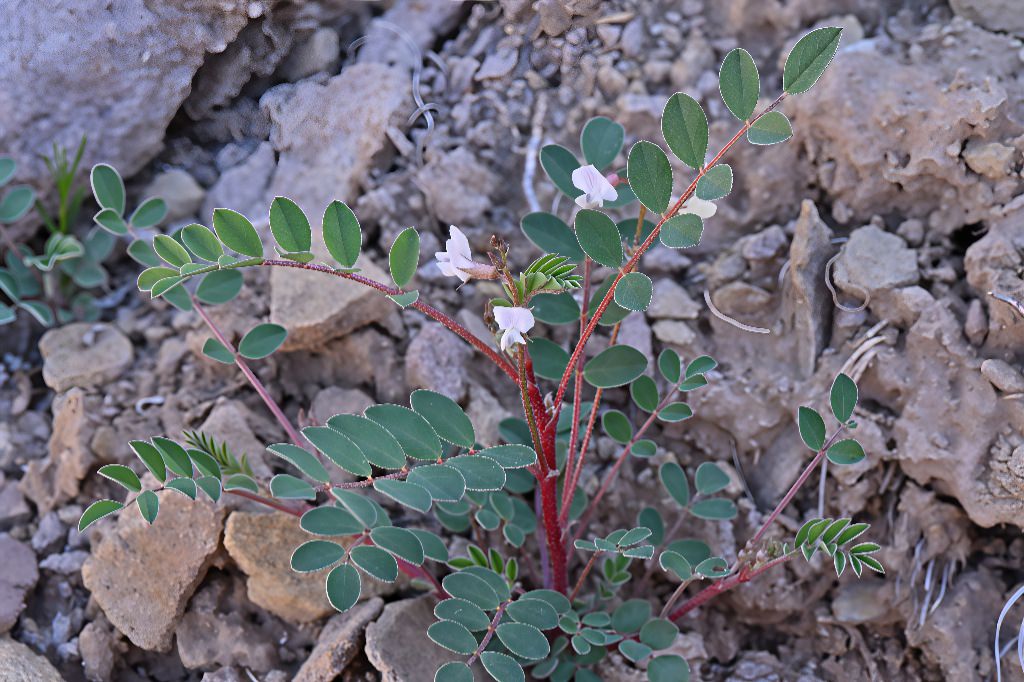
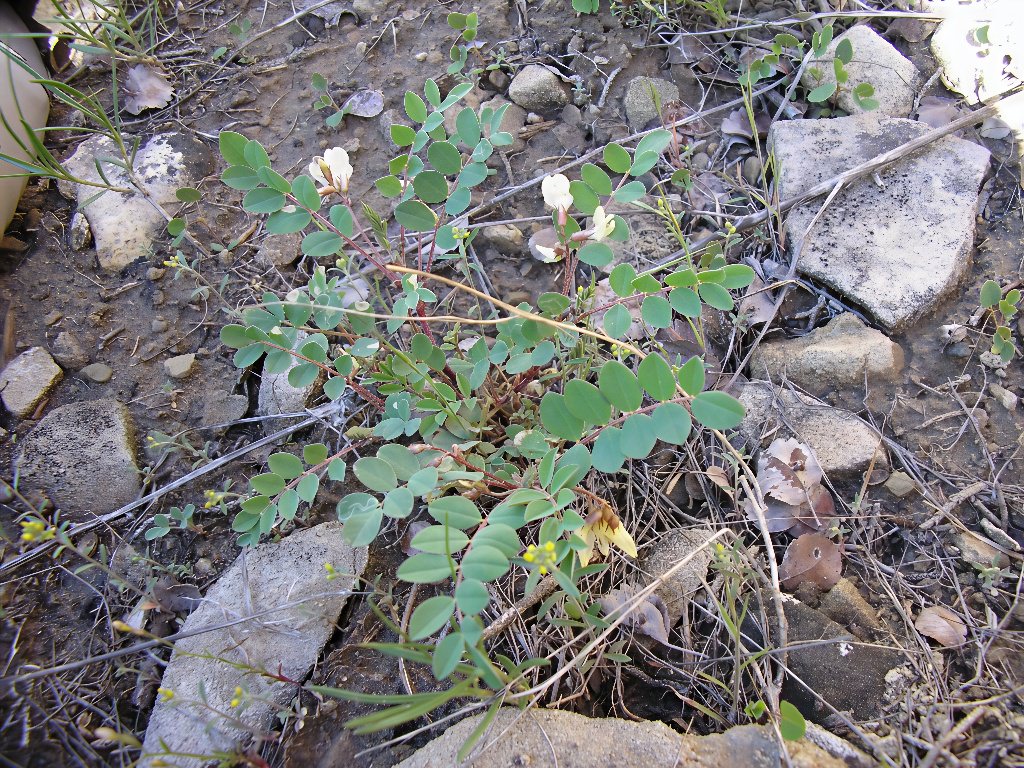
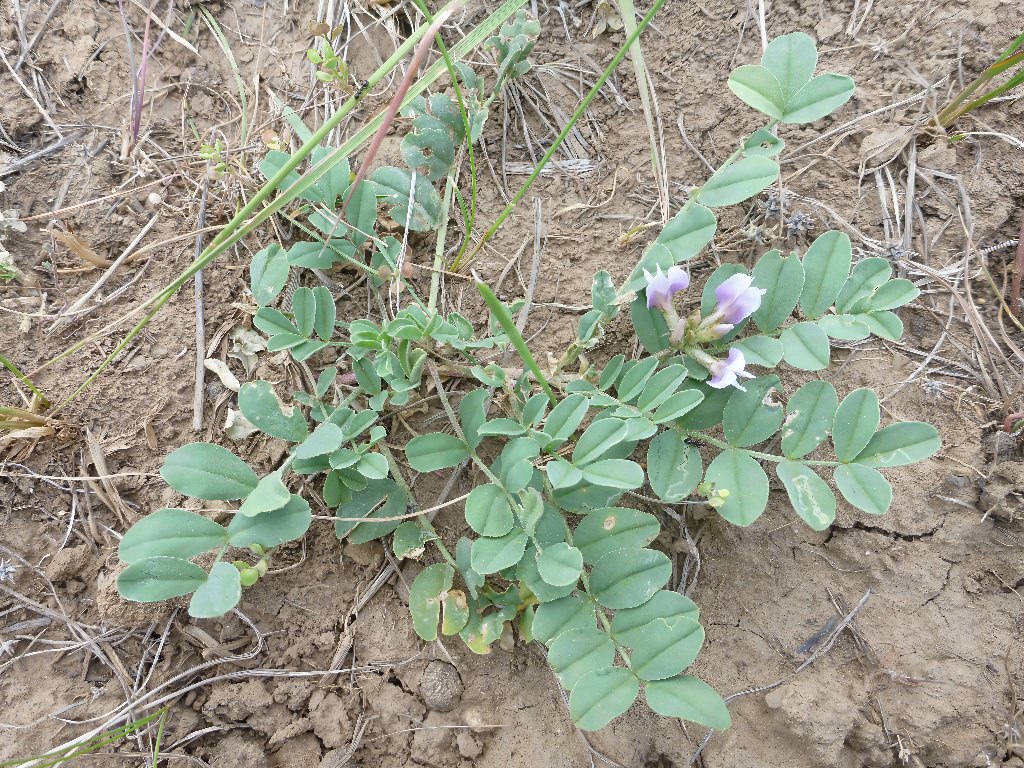
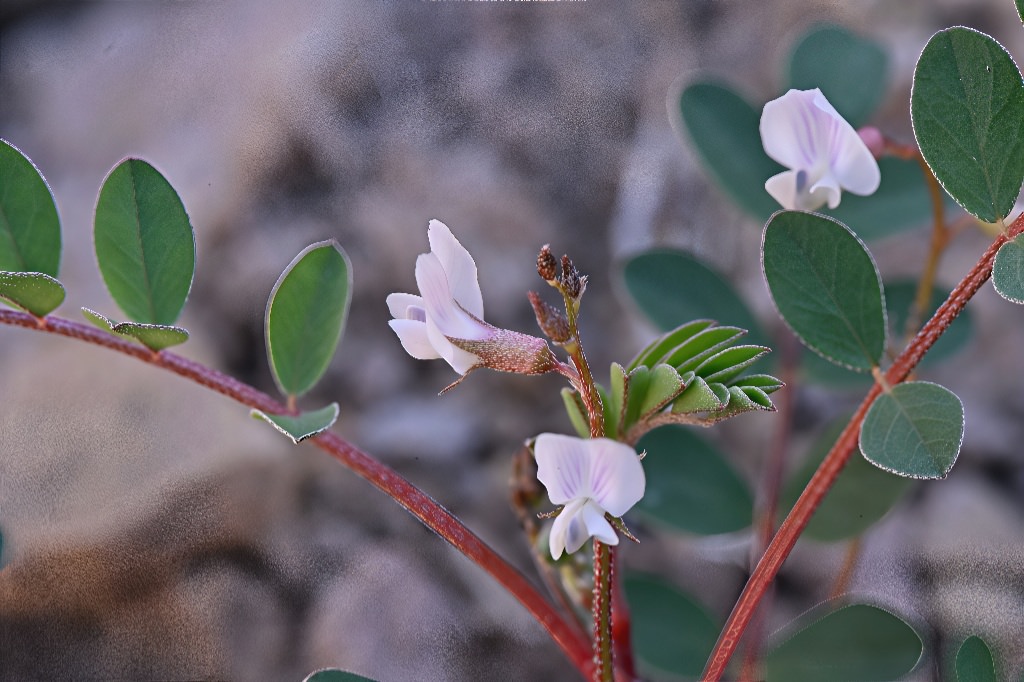
Short lived perennial 5-25 cm tall from a branching caudex; stems decumbent to ascending, forming clumps; leaves pinnately compound, 2-10 cm long, leaflets 9-15, obovate to oval, thinly strigose beneath, glabrous above, rachis often dark maroon, pubescence basifixed on rachis, leaf margins and midribs; stipules 1.2-3.5 mm long, all distinct; inflorescence a raceme (2) 4-9 flowered, calyx tube 3-3.5 mm long, banner 7.5-11 mm long, flowers whitish with pink lines on banner; fruit a legume, pods with a prominent beak, ovoid-lanceolate or half ovoid, inflated but not bladdery, 1.5-2 x 0.8-1 cm (Ackerfield 2022, Spackman et al. 1997, Welsh et al. 1993).
Look Alikes:
Astragalus wetherillii is not likely to be confused with other species within the same range and habitat (Spackman et al. 1997).
Phenology:
It begins flowering in early May and continues into late June (Ackerfield 2022, Bunin 1991).
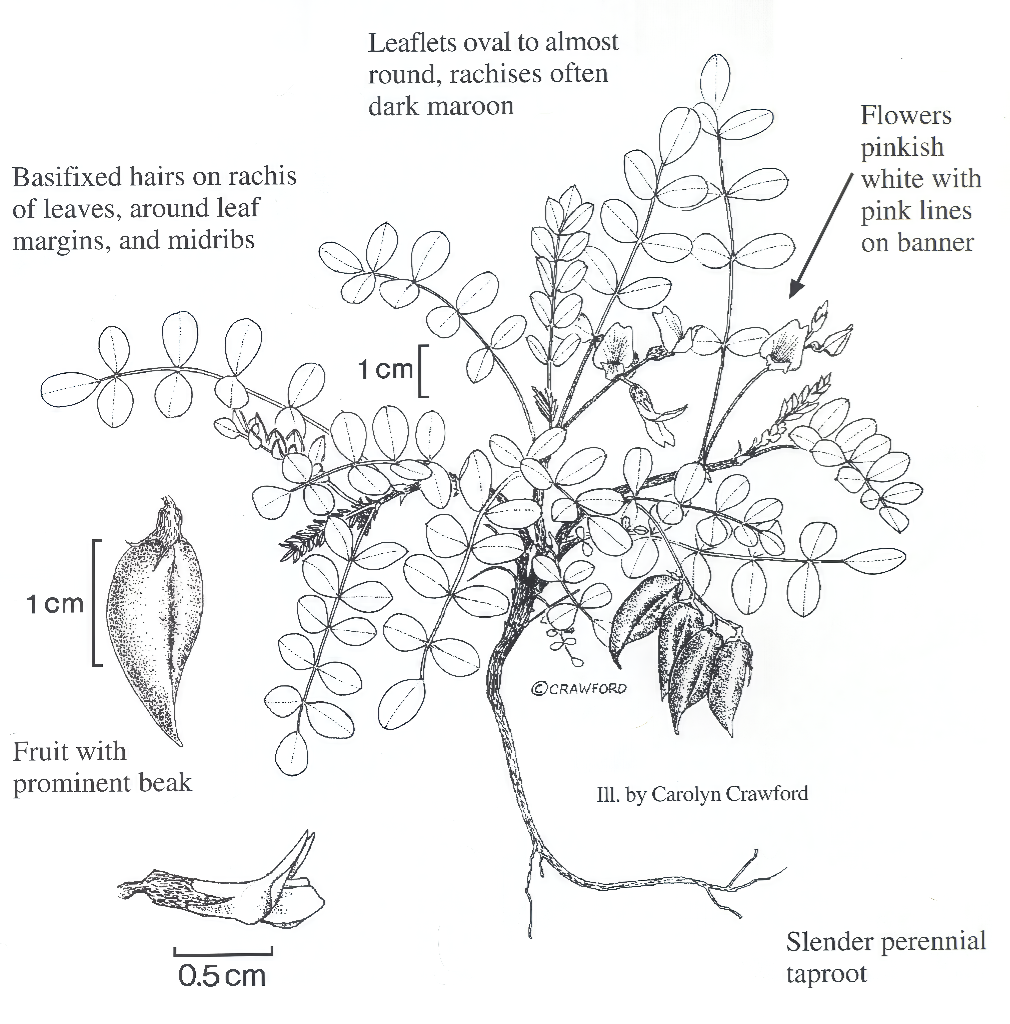 |
Habitat
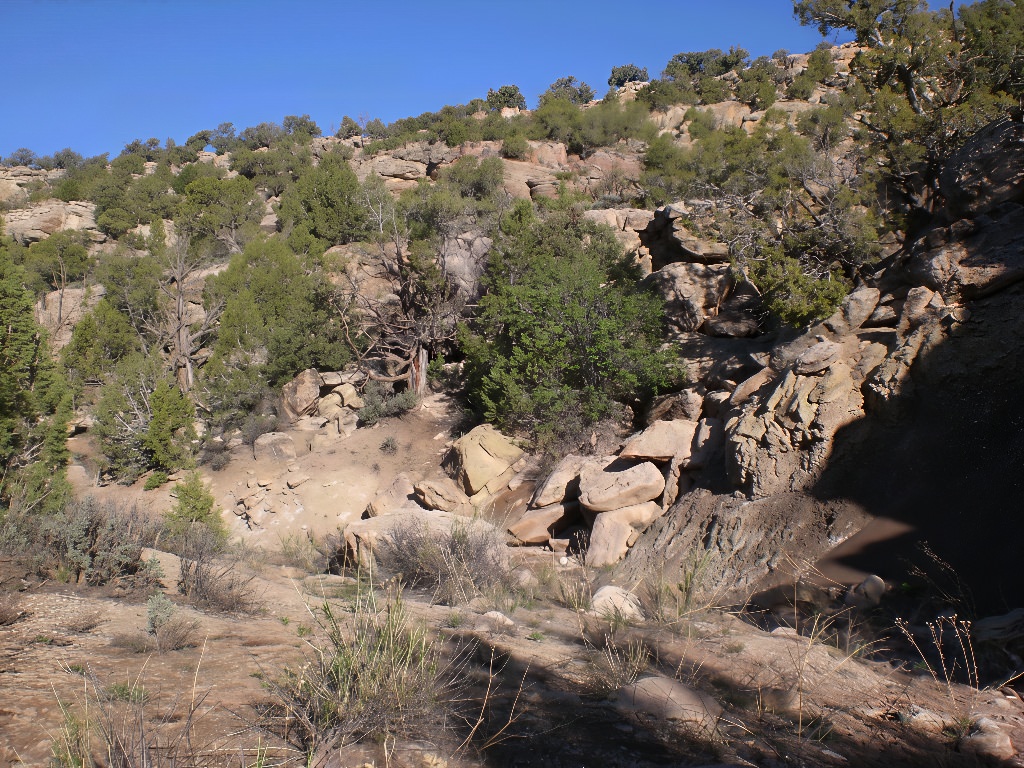
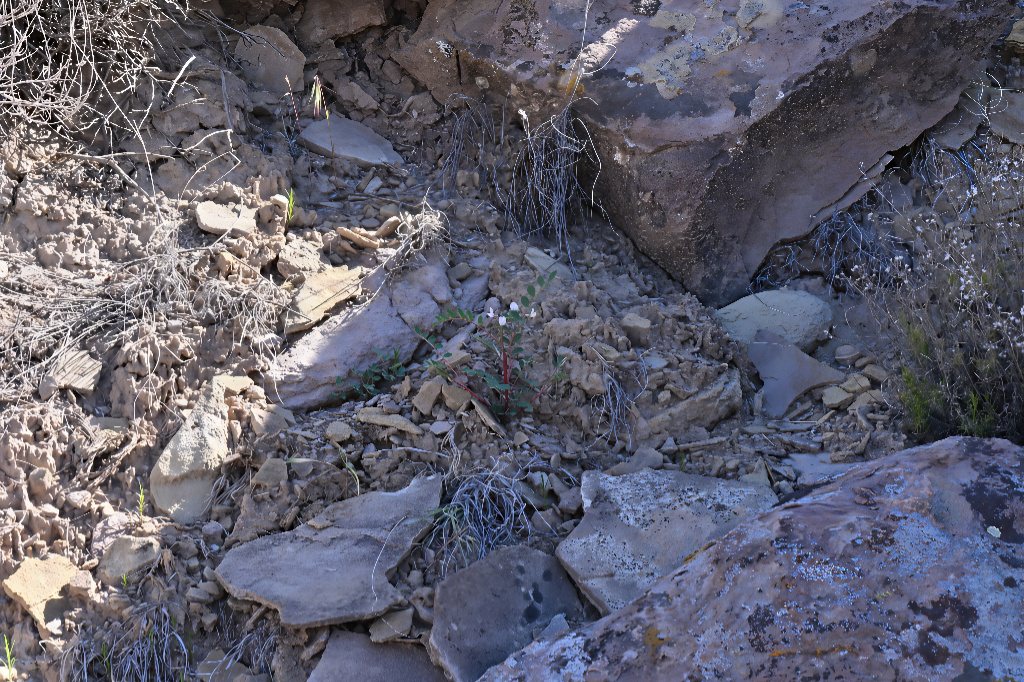
Steep slopes, dry washes and eroded areas, canyon benches and talus under cliffs; in sandy clay soils derived from shale or sandstone; with sagebrush and junipers (Barneby 1964, Spackman et al. 1997). Associated species include Juniperus osteosperma, Artemisia tridentata ssp. wyomingensis, Atriplex confertifolia, Amelanchier utahensis, Cercocarpus montanus, Sarcobatus vermiculatus, Ericoma hymenoides, Hilaria jamesii, Astragalus lonchocarpus, Oreocarya flavoculata and Phlox hoodii (CNHP 2026).
click on image to enlarge
 |
 |
Elevation Range:
4,852 - 7,625 feet (1,479 - 2,324 meters)
Distribution
Colorado Endemic:
No
Range:
Astragalus wetherillii is known from western Colorado, USA, in Delta, Garfield, Mesa, Moffat, Montrose, Ouray, and San Miguel counties. Estimated range extent in Colorado of 16,674 square kilometers was calculated in GeoCAT using occurrence data provided by the Colorado Natural Heritage Program (2026). This species is reported as historical in Utah, USA.
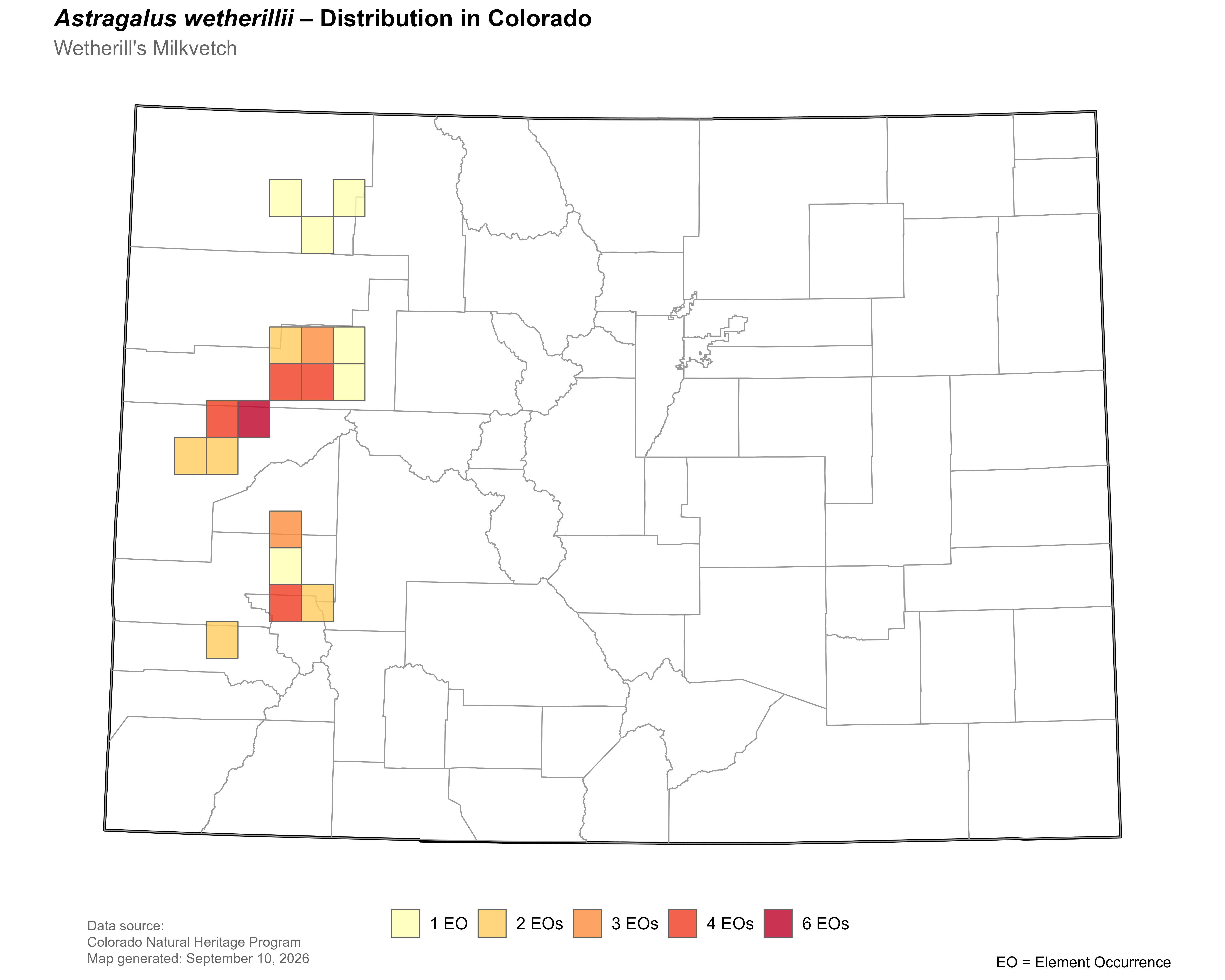
Click on map to enlarge |
Threats and Management Issues
Potential threats from oil and gas development, inappropriate livestock grazing, motorized recreation and competition from invasive plant species have been reported from a third of the occurrences. Bromus tectorum, Bromus inermis, Melilotus officinale, and Carduus nutans are just a few of the invasive plant species that have been observed in A. wetherillii habitat. Rangewide, long-term drought is a concern for this species. It is considered to have moderate adaptive capacity and is expected to be slightly to moderately vulnerable to climate change under both RCP 4.5 and 8.5 scenarios, as assessed for the 2025 Colorado State Wildlife Action Plan (CNHP 2025).
References
- Ackerfield, Jennifer. 2022. Flora of Colorado. Second Edition. Bot. Misc. 60. BRIT Press, Fort Worth Botanic Garden/Botanical Research Institute of Texas, U.S.A. 861 pp.
- Barneby, R. C. 1964. Atlas of North American Astragalus. Memoirs of New York Botanical Garden, vol. 13. New York Botanical Garden, Bronx, NY.
- Bunin, J. E. 1991. Status report for Astragalus wetherilli. Unpublished report prepared for the Colorado Natural Areas Program, Denver, CO by Natural Science Association Inc., Boulder, CO.
- Colorado Natural Heritage Program (CNHP). 2025. Climate Change Vulnerability Assessment of Colorado Tier 1 and Tier 2 Plant Species of Greatest Conservation Need (SCGN) for the 2025 Colorado State Wildlife Action Plan. Colorado Natural Heritage Program, Colorado State University, Fort Collins, CO.
- Colorado Natural Heritage Program (CNHP). 2026. Biodiversity Tracking and Conservation System (Biotics 5). Colorado Natural Heritage Program, Colorado State University, Fort Collins.
- Spackman, S., B. Jennings, J. Coles, C. Dawson, M. Minton, A. Kratz, and C. Spurrier. 1997. Colorado rare plant field guide. Prepared for Bureau of Land Management, U.S. Forest Service and U.S. Fish and Wildlife Service by Colorado Natural Heritage Program.