

Scientific Name : Astragalus sesquiflorus
Author : S. Wats. NatureServe Explorer
Common Name : Sandstone Milkvetch
 Current Research Activities
 1997 profile


☰ Click link below for details.
Taxonomy
Fabaceae (pea family)
Ranks and Status
State Rank : S1
State Rank Reason : As of 2022 there are six known occurrences of Astragalus sesquiflorus in Montrose County, Colorado, USA. Three of the occurrences have not been observed in over 20 years and could not be relocated in 2021 surveys. The extant occurrences are threatened by mining, livestock grazing and recreation. Climate change is also considered a concern.
U.S. Endangered Species Act : none
Colorado Threatened and Endangered List : none
Other Statuses : BLM
Description and Phenology
General Description:
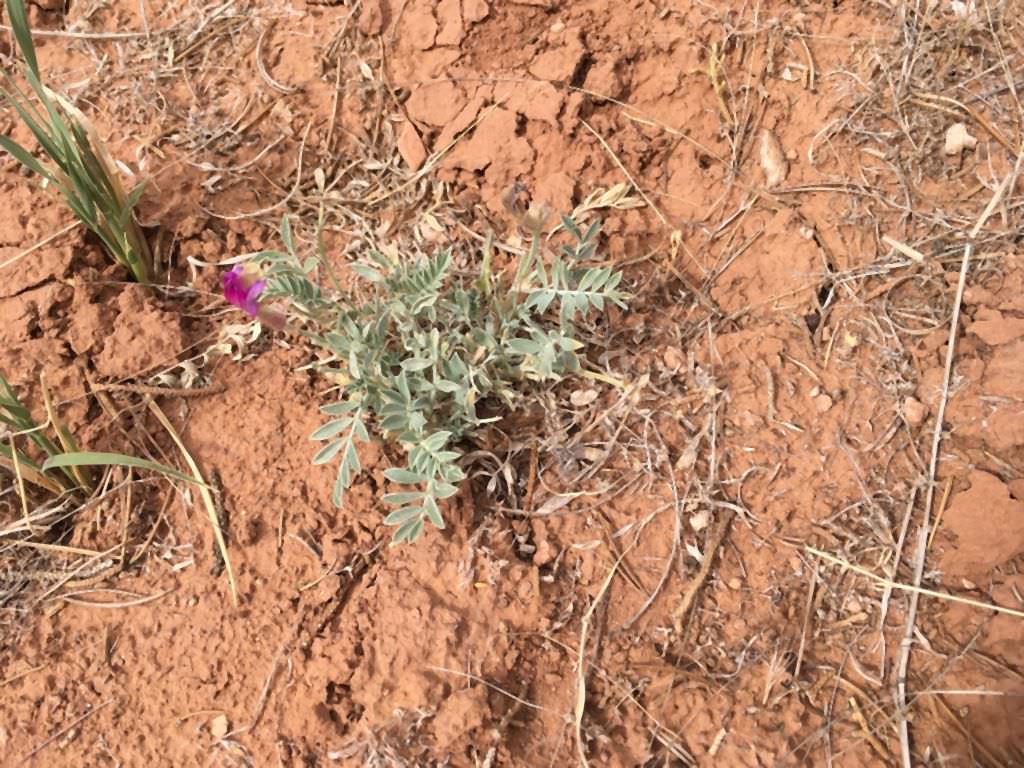
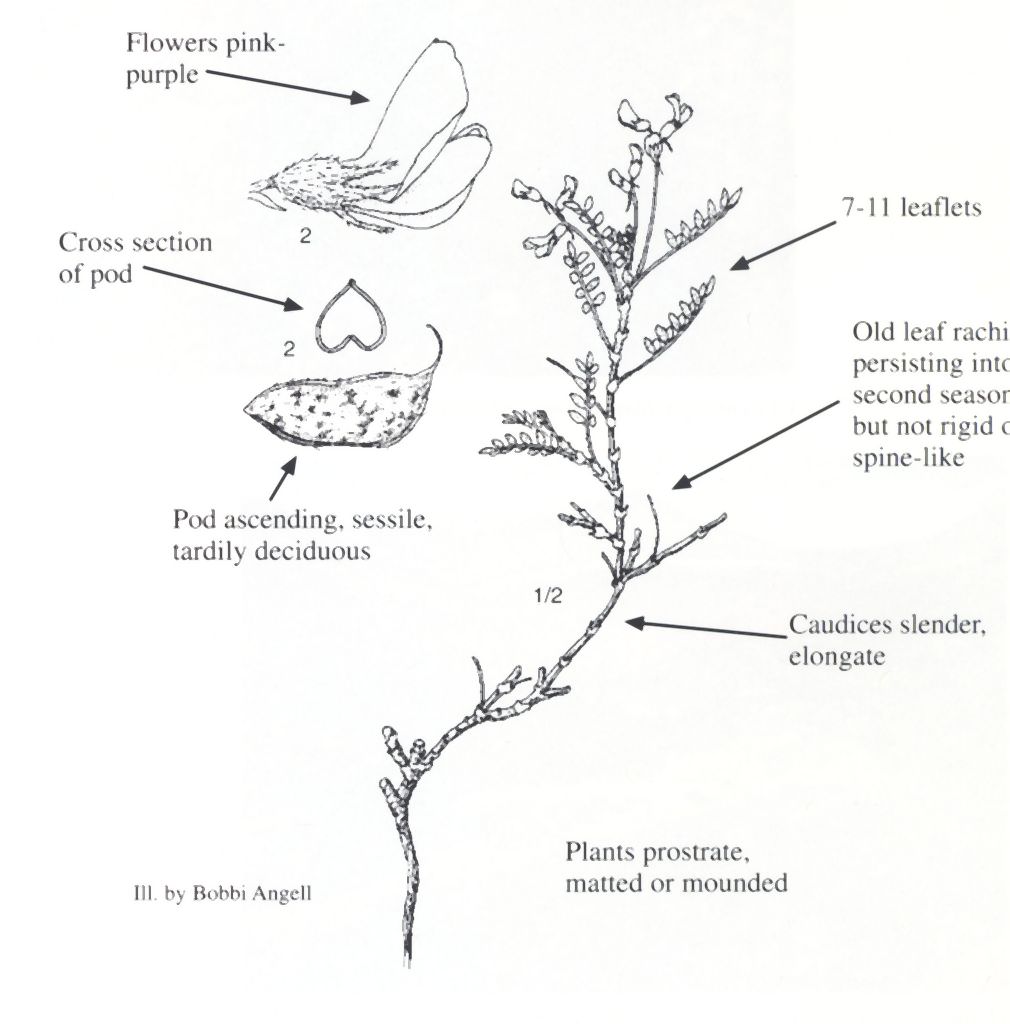
Subacaulescent perennials, 3-10 cam; leaves pinnately compound with 7-11 leaflets; leaflets obovate to narrowly elliptic, 2-6 (10) mm long, villous with dolabriform hairs; inflorescence included or slightly exserted, 1-3 flowered; caylx tube 1.5-2.5 mm long, lobes 2-3 mm long; flowers light purple, the keel maculate, the banner 6-8 mm long; legumes half-ovoid to oblanceolate-incurved, slightly inflated, laterally compressed dorsally, 6-10 x 3-4 mm, often mottled, stigulose-puberulent (Ackerfield 2022).
Look Alikes:
Astragalus kentrophyta ssp. implexus has spine tipped leaflets (Spackman et al.1997).
Phenology:
Flowers in May through August (Spackman et al. 1997).
 |
Habitat
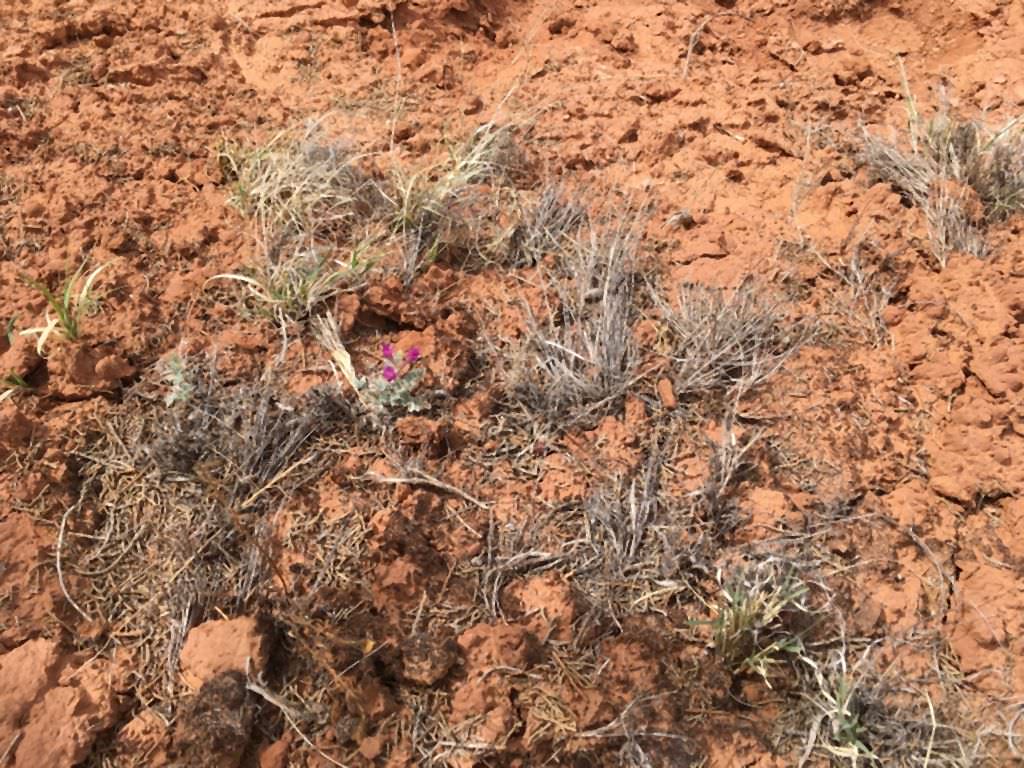
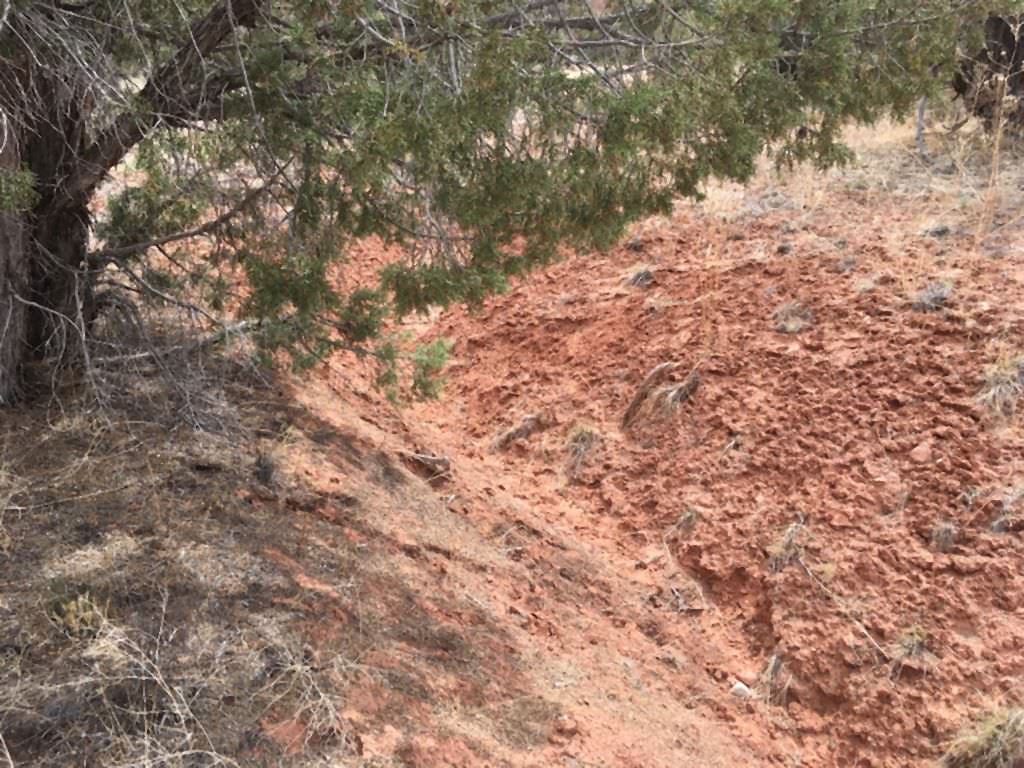
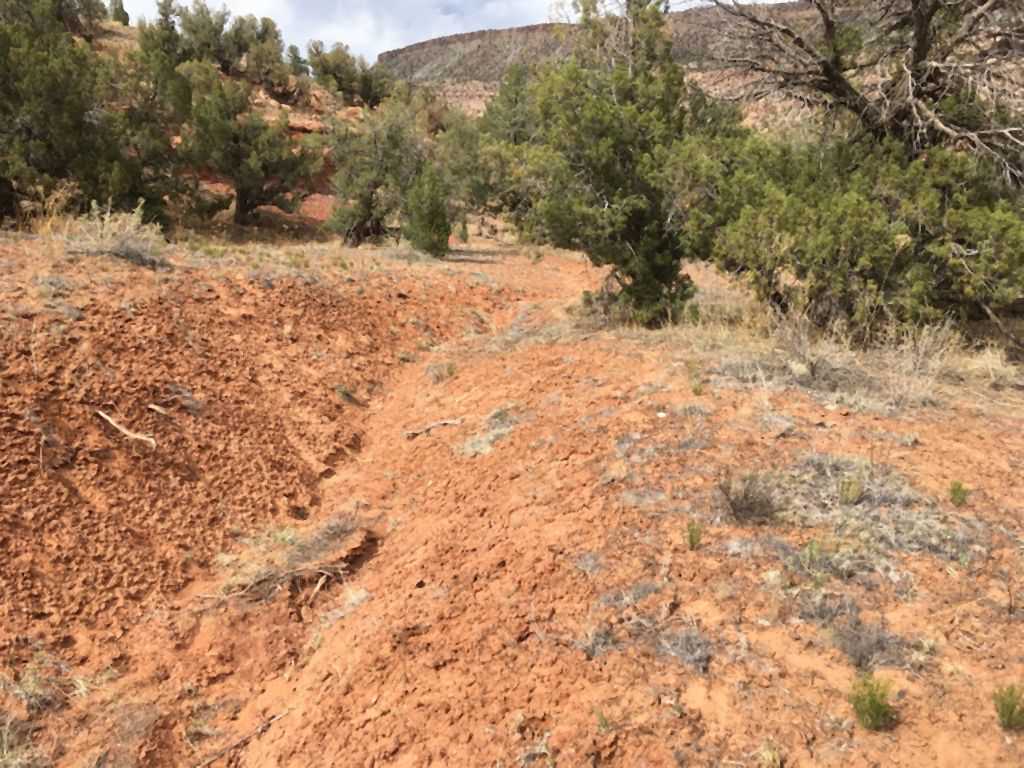
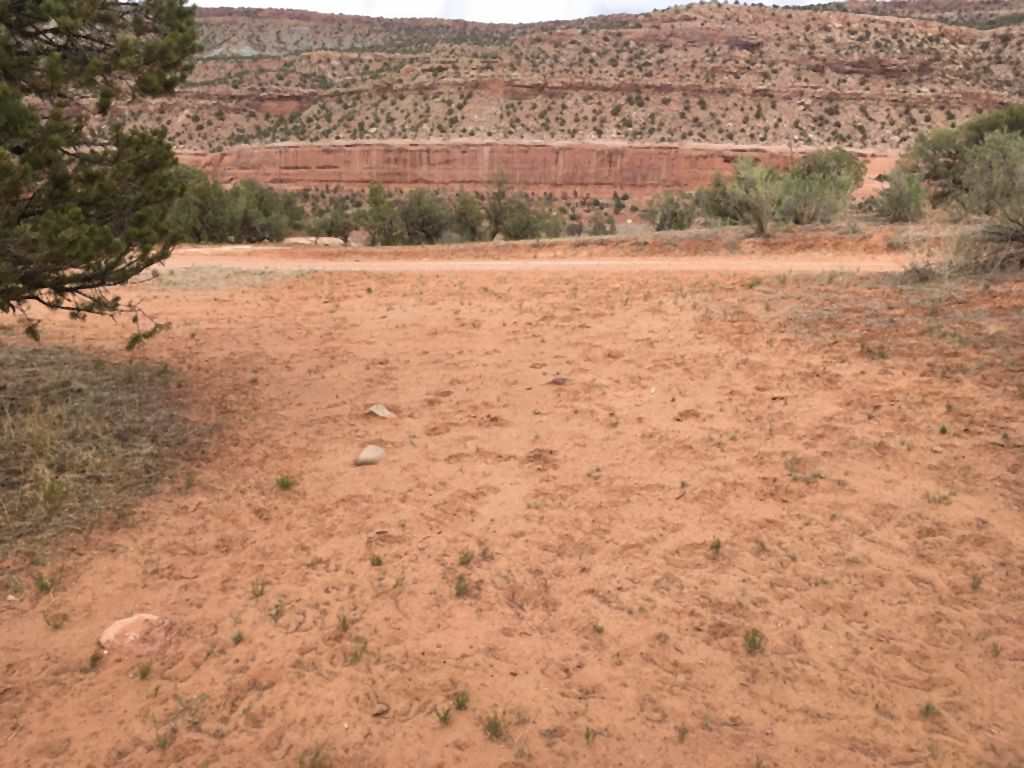
Sandstone rock ledges, fissures of domed slickrock, talus under cliffs, and sometimes in sandy washes (Spackman et al. 1997). Rocky soil, rock crevices, usually with pinyon-juniper (Ackerfield 2022). Additional associated species include Astragalus mollisimus, Astragalus rafaelensis, Pediomelum megalanthum, Townsendia sp., and Physaria sp.
click on image to enlarge
 |
 |
 |
Elevation Range:
4,767 - 6,768 feet (1,453 - 2,063 meters)
Distribution
Colorado Endemic:
No
Range:
Astragalus sesquiflorus is found only in Montrose County, Colorado, USA. Weber (2012) states this species is local on slickrock formations in the Dolores River Valley. Estimated range extent in Colorado of 435 square kilometers was calculated in GeoCAT using occurrence data provided by the Colorado Natural Heritage Program (2022). This species can also be found in Arizona and Utah, USA.
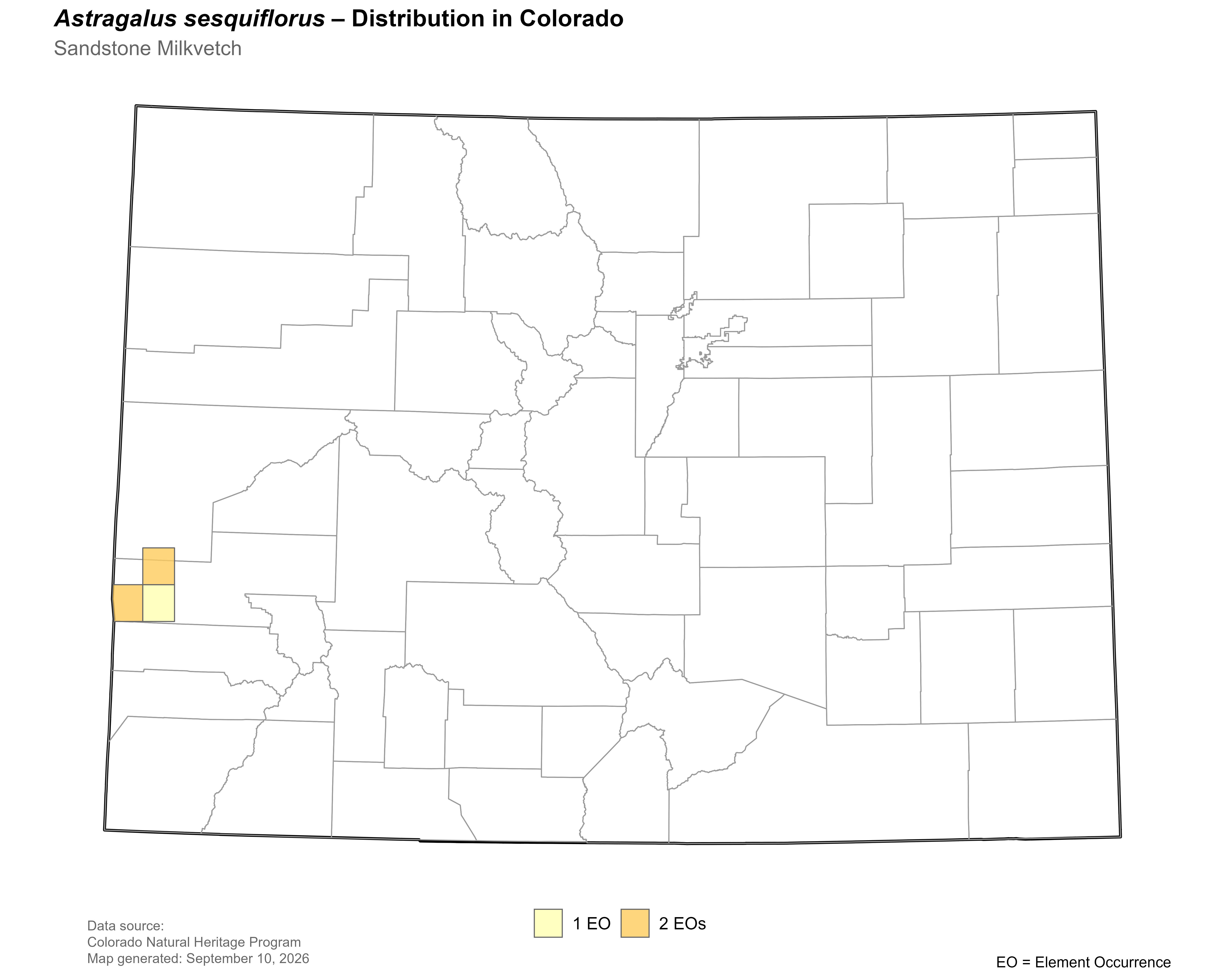
Click on map to enlarge |
Threats and Management Issues
As of 2022, 84% of the occurrences are found in habitat with moderate to high levels of landscape disturbance (CNHP 2021). At the local level recreational activities, mining and livestock grazing are noted as threats to individual occurrences. Long term drought is occurring throughout the range of this species.
References
- Ackerfield, Jennifer. 2022. Flora of Colorado. Second Edition. Bot. Misc. 60. BRIT Press, Fort Worth Botanic Garden/Botanical Research Institute of Texas, U.S.A. 861 pp.
- Barneby, R.C. 1964. Atlas of North American Astragalus. 2 Vols. New York Botanical Garden, Bronx, New York. 1188 pp.
- Colorado Natural Heritage Program (CNHP). 2022. Biodiversity Tracking and Conservation System (Biotics 5). Colorado Natural Heritage Program, Colorado State University, Fort Collins.
- Cronquist A. 1989. Intermountain Flora Vascular Plants of the Intermountain West, USA. Vol. 3, Part B. New York Botanical Garden, Bronx, NY.
- Spackman, S., B. Jennings, J. Coles, C. Dawson, M. Minton, A. Kratz, and C. Spurrier. 1997. Colorado rare plant field guide. Prepared for Bureau of Land Management, U.S. Forest Service and U.S. Fish and Wildlife Service by Colorado Natural Heritage Program.
- USDA, NRCS. 2013. The PLANTS Database. National Plant Data Team, Greensboro, NC 27401-4901 USA.
- Weber, W. A. and R. C. Wittmann. 2012. Colorado Flora, Western Slope, A Field Guide to the Vascular Plants, Fourth Edition. Boulder, Colorado. 532 pp.
- Welsh, S.L., N.D. Atwood, S. Goodrich, and L.C. Higgins (eds.) 1993. A Utah flora. 2nd edition. Brigham Young Univ., Provo, Utah. 986 pp.