

Scientific Name : Asclepias hallii
Author : Gray NatureServe Explorer
Common Name : Hall's Milkweed
 Current Research Activities


☰ Click link below for details.
Taxonomy
Apocynaceae (dogbane family)
Ranks and Status
State Rank : S3
State Rank Reason : Asclepias hallii is sparsely distributed over a wide range - primarily in the intermountain parks of central and southern Colorado. Threats to this species are poorly understood, but long-term drought and the potential effects of climate change are a concern.
U.S. Endangered Species Act : none
Colorado Threatened and Endangered List : none
Other Statuses : none
Description and Phenology
General Description:
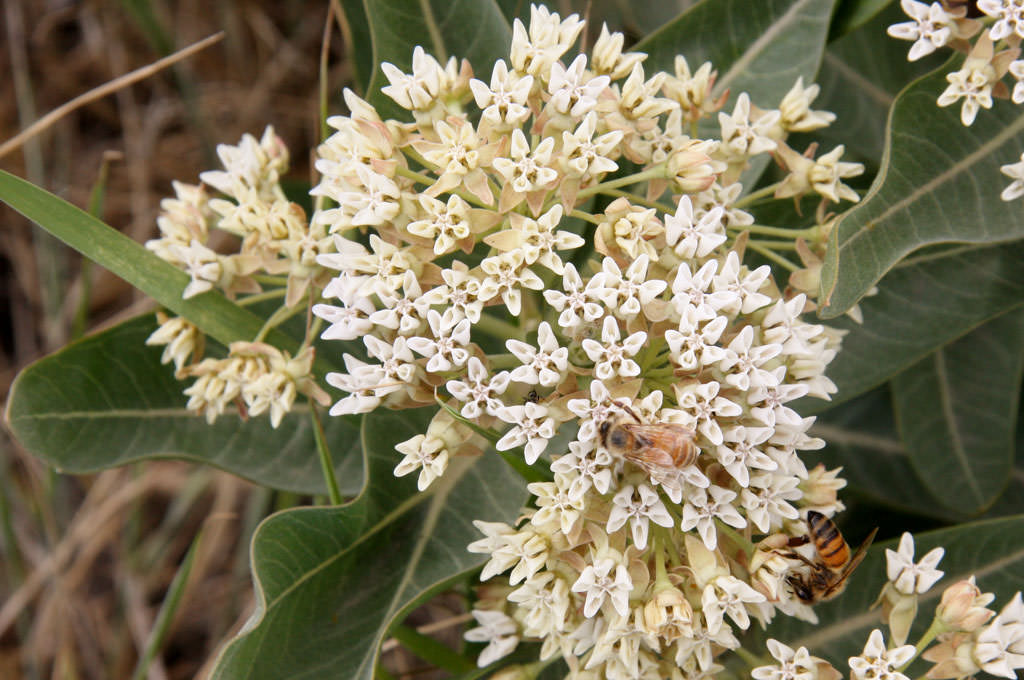
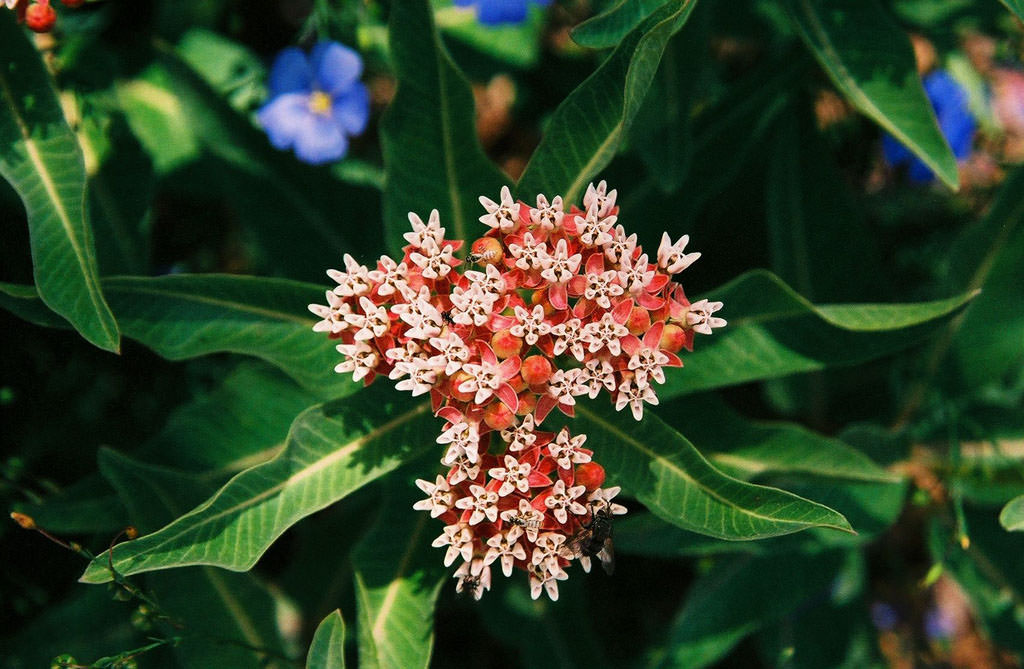
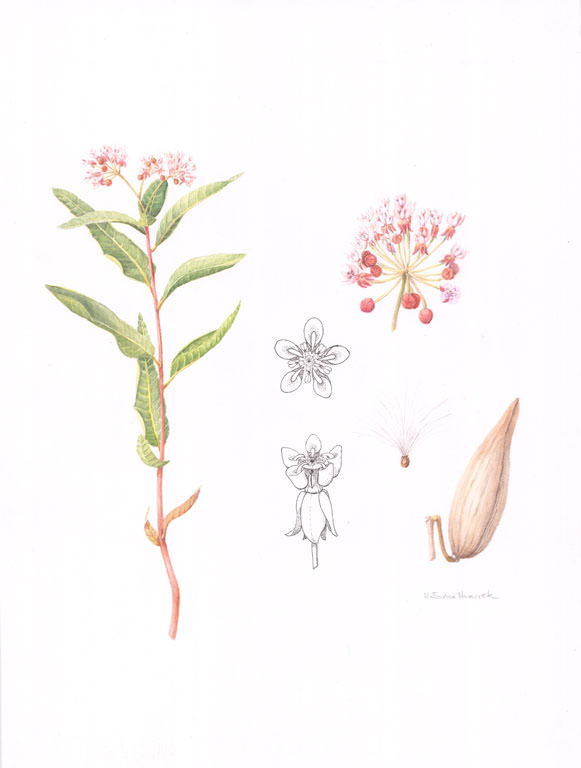
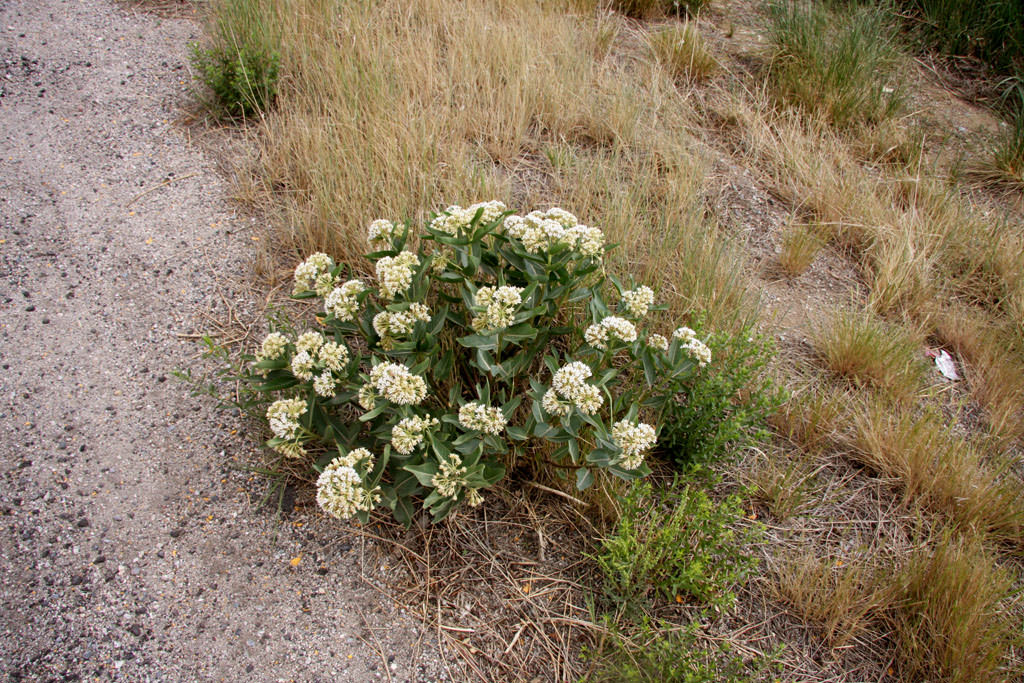
Plants erect, 2-6 dm tall. Flower petals dull purple. Hoods spreading widely, tapering to the top, 5-6 mm long; peduncles 1-4 (6) cm long; leaves petiolate 4-10 (15) mm, (6) 8-14 cm long, uniformly pubescent to glabrate, not densely pubescent along the margins (Ackerfield 2012, Weber and Wittmann 2012).
Look Alikes:
Asclepia hallii may superficially resemble A. incarnata but the two do not share similar habitat with A. incarnata occurring in wet areas and A. hallii occupying drier sites.
Phenology:
June-August (Ackerfield 2022).
 |
Habitat
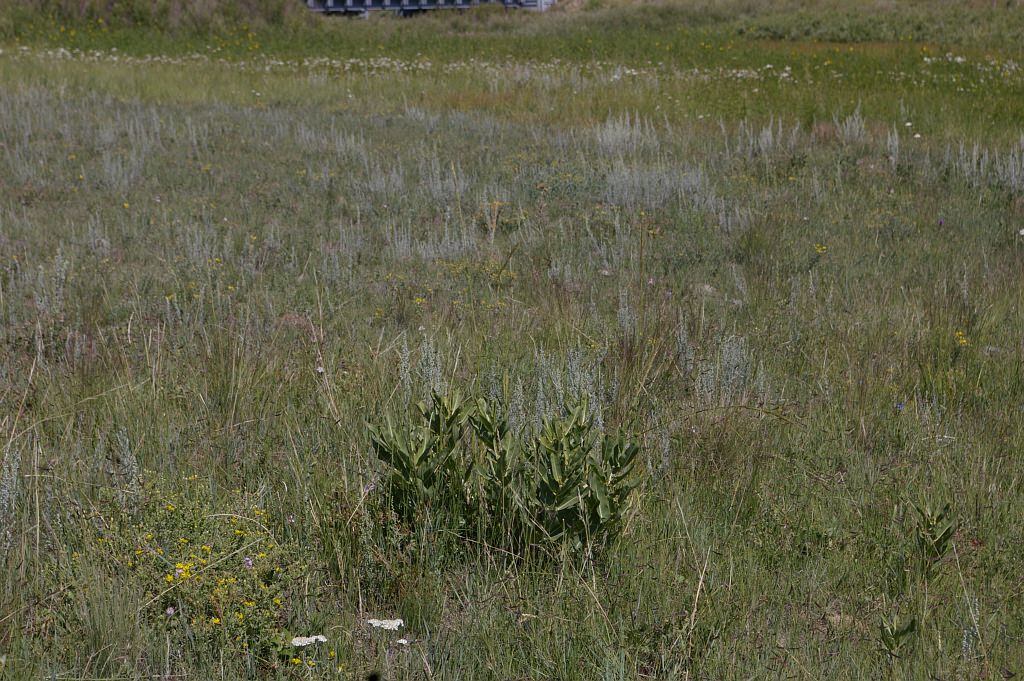
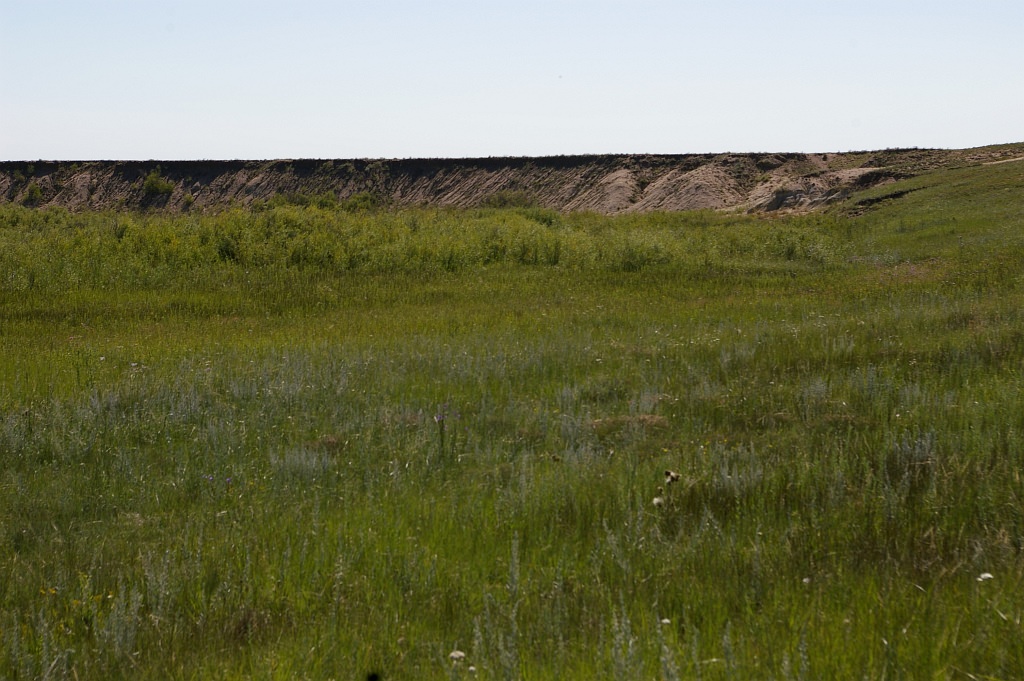
Common in sandy and gravelly soil of roadsides and sagebrush, pinyon-juniper, or cottonwood communities (Ackerfield 2022). Sloping creek banks on the plains (Colorado Natural Heritage Program 2013).
click on image to enlarge
 |
 |
 |
Elevation Range:
6,715 - 9,410 feet (2,047 - 2,868 meters)
Distribution
Colorado Endemic:
No
Range:
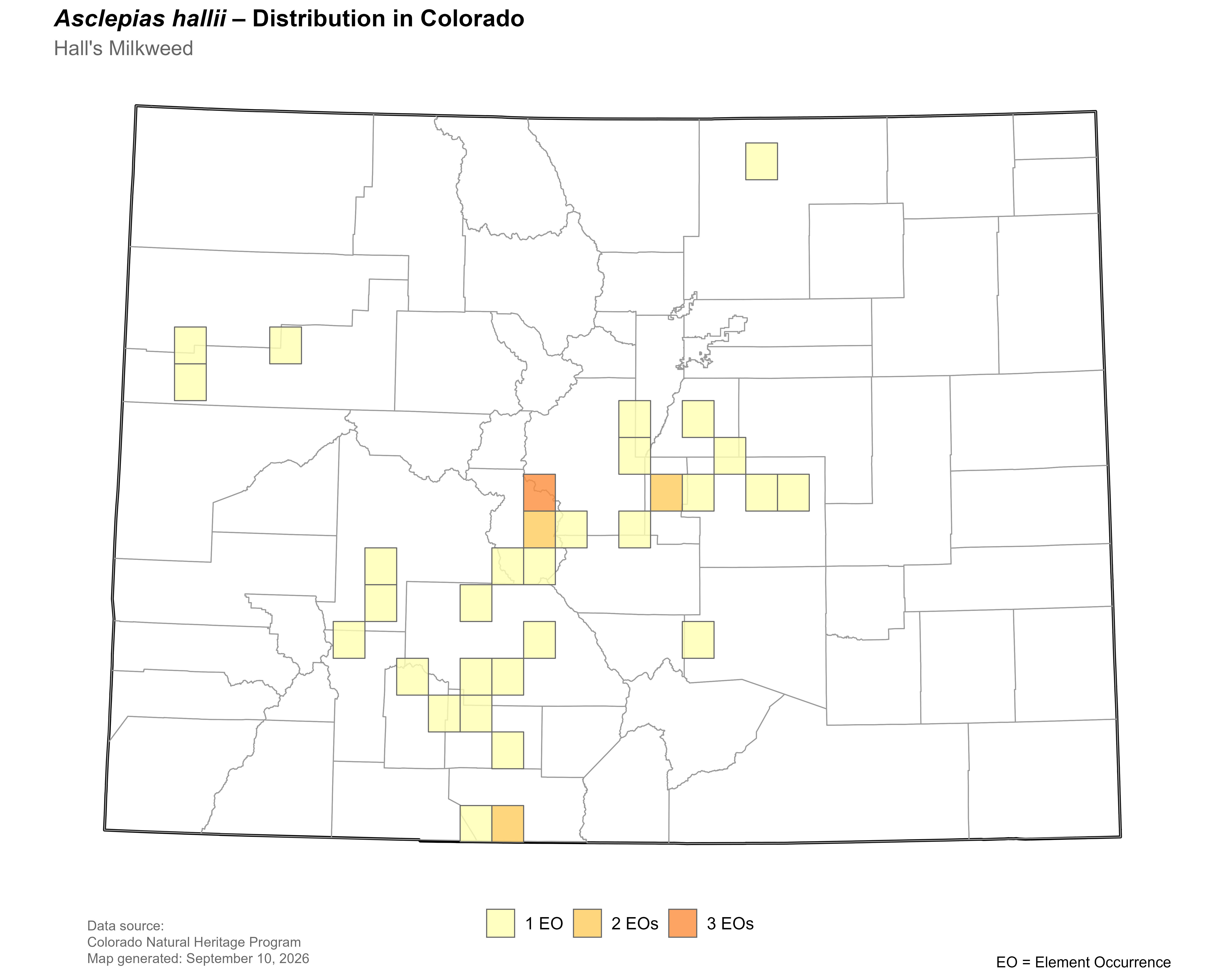
Asclepias hallii is known from Alamosa, Chaffee, Conejos, Costilla, Custer, Douglas, El Paso, Fremont, Garfield, Gunnison, Jefferson, Mineral, Montezuma, Montrose, Park, Rio Blanco, Saguache, San Miguel, and Weld counties in Colorado (USA). Estimated range extent in Colorado of 87,292 square kilometers was calculated in GeoCAT using occurrence data provided by the Colorado Natural Heritage Program (2025).This species is common in the intermountain parks and the San Luis Valley in central and southern Colorado (Weber and Wittmann 2012). It is also known from Arizona, New Mexico, Nevada, Utah, and Wyoming (USDA NRCS 2012).
Click on map to enlarge |
Threats and Management Issues
Threats and management issues have not been documented, but long-term drought and the potential effects of climate change are a concern.
References
- Ackerfield, J. 2022. Flora of Colorado. Second Edition. Bot. Misc. 60. BRIT Press, Fort Worth Botanic Garden/Botanical Research Institute of Texas, U.S.A. 861 pp.
- Colorado Natural Heritage Program (CNHP). 2023. Biodiversity Tracking and Conservation System (Biotics 5). Colorado Natural Heritage Program, Colorado State University, Fort Collins.
- Harrington, H.D. 1954. Manual of the plants of Colorado. Sage Press, Chicago. 666 pp.
- Kartesz, J., and the Biota of North America Program (BONAP). 1998. A Synonymized Checklist of the Vascular Flora of the United States, Puerto Rico, and the Virgin Islands. http://plants.usda.gov.
- Kartesz, J.T. 1994. A synonymized checklist of the vascular flora of the United States, Canada, and Greenland. 2nd edition. 2 vols. Timber Press, Portland, OR.
- Kartesz, J.T. 1996. Species distribution data at state and province level for vascular plant taxa of the United States, Canada, and Greenland (accepted records), from unpublished data files at the North Carolina Botanical Garden, December, 1996.
- Kearney, T.H., R.H. Peebles, and collaborators. 1951. Arizona flora. 2nd edition with Supplement (1960) by J.T. Howell, E. McClintock, and collaborators. Univ. California Press, Berkeley. 1085 pp.
- USDA, NRCS. 2022. The PLANTS Database. National Plant Data Team, Greensboro, NC 27401-4901 USA.
- Weber, W. A. and R. C. Wittmann. 2012. Colorado Flora, Eastern Slope, A Field Guide to the Vascular Plants, Fourth Edition. Boulder, Colorado. 555 pp.
- Weber, W. A. and R. C. Wittmann. 2012. Colorado Flora, Western Slope, A Field Guide to the Vascular Plants, Fourth Edition. Boulder, Colorado. 532 pp.
- Welsh, S.L., N.D. Atwood, S. Goodrich, and L.C. Higgins (eds.) 1993. A Utah flora. 2nd edition. Brigham Young Univ., Provo, Utah. 986 pp.